
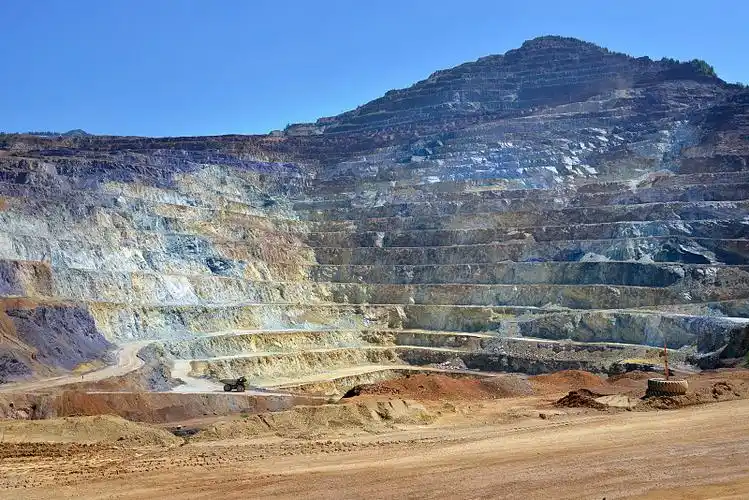
As mining companies face increasing pressure to reduce operating costs, improve water recovery, and meet environmental requirements, tailings management has become a critical part of mine planning.
For tailings dry stacking projects, plate and frame filter presses have traditionally been the dominant dewatering technology due to their ability to produce low-moisture filter cakes. However, as mining operations continue to expand and tailings volumes increase, some large mines are beginning to re-evaluate the role of modern belt filter presses.
This trend does not mean that belt filter presses are replacing plate and frame filter presses. Instead, it reflects a growing recognition that different tailings dewatering technologies offer different advantages depending on project objectives.
The Evolution of Tailings Dewatering
In the past, the primary objective of tailings dewatering was often to achieve the lowest possible moisture content.
As a result, plate and frame filter presses became the preferred solution for many dry stacking applications, particularly in projects where strict environmental regulations or transportation requirements demanded very dry filter cakes.
Today, however, mine operators are increasingly evaluating dewatering systems based on a wider range of factors, including:
- Capital investment
- Energy consumption
- Maintenance requirements
- Throughput capacity
- Water recovery efficiency
- Total operating costs
For large-scale mining operations processing thousands of tons of tailings per day, these factors can have a significant impact on project economics.
The Strengths of Plate and Frame Filter Presses
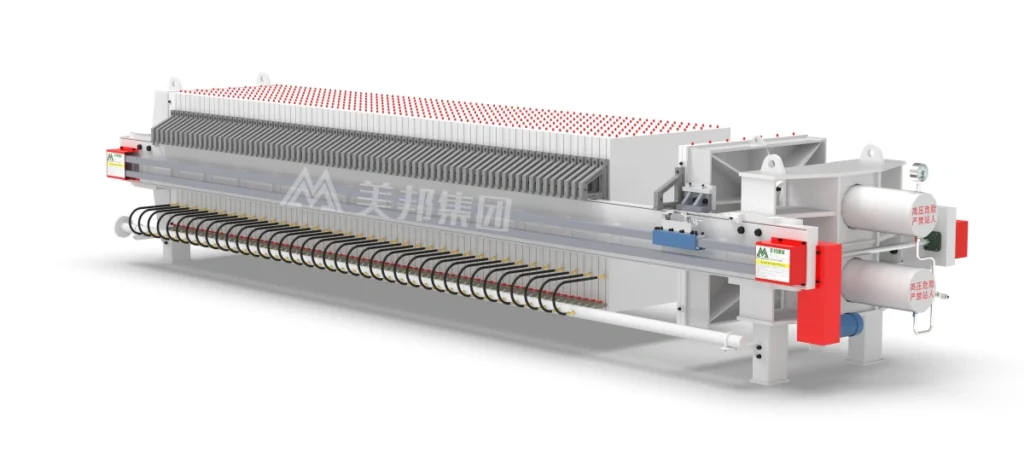
There is no doubt that plate and frame filter presses remain one of the most effective technologies for producing low-moisture tailings cakes.
Their key advantages include:
Low Final Moisture Content
Plate and frame filter presses can achieve relatively low cake moisture levels, making them suitable for dry stacking projects that require stable tailings storage and transportation.
Proven Performance
Thousands of mining projects worldwide have successfully adopted plate and frame filter presses for tailings dewatering.
Suitable for High-Value Mining Projects
Many lithium, gold, and copper projects continue to favor plate and frame filter presses because minimizing moisture content remains a top priority.
However, these advantages are not the only factors influencing equipment selection.
Challenges Faced by Large Mining Operations
As mine production capacities continue to increase, some operators are finding that traditional plate and frame filter press systems present several challenges.
High Capital Costs
Large tailings dewatering facilities often require multiple filter press units, hydraulic systems, cloth washing systems, air compressors, and extensive supporting infrastructure.
The initial investment can be substantial.
Batch Operation
Plate and frame filter presses operate in cycles.
Each cycle includes filling, filtration, squeezing, cake discharge, and plate shifting.
For mines generating continuous tailings streams, batch processing may limit operational flexibility.
Energy Consumption
High-pressure filtration and membrane squeezing require significant energy input.
As energy costs continue to rise in many mining regions, operating expenses are becoming increasingly important.
Maintenance Complexity
Large filter press installations contain numerous moving components and wear parts that require regular inspection and maintenance.
For remote mining sites, maintenance costs can be a significant consideration.
Why Belt Filter Presses Are Receiving Renewed Attention
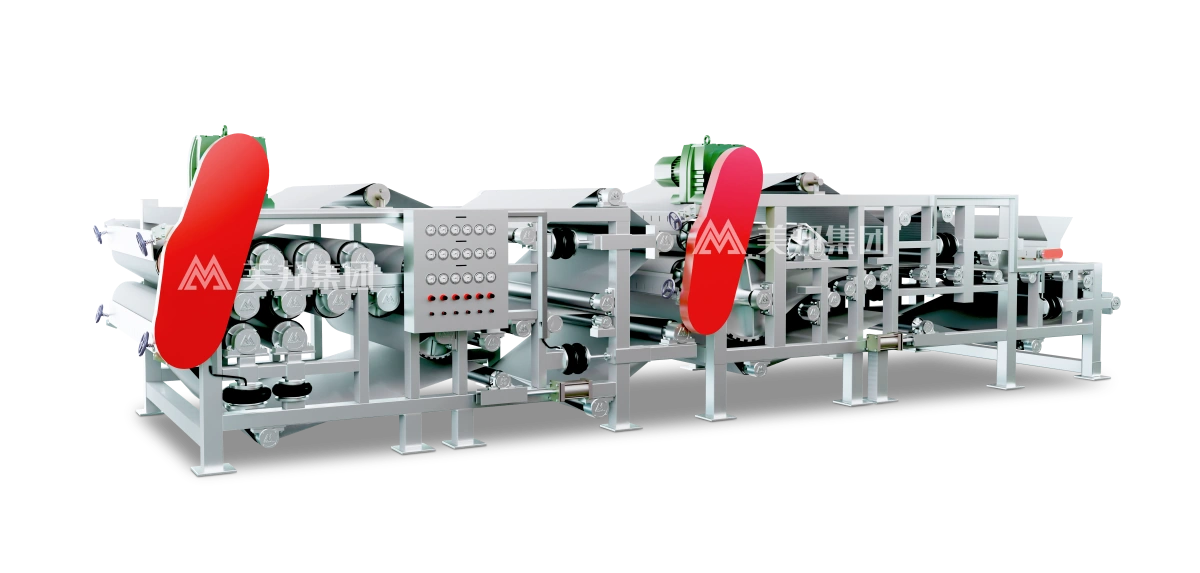
Modern heavy-duty belt filter presses have evolved significantly from the sludge dewatering equipment commonly used in municipal wastewater treatment decades ago.
Today’s mining belt filter presses are designed for high-capacity industrial applications and offer several advantages that are attracting interest from large mining operations.
Continuous Operation
Unlike batch-operated plate and frame filter presses, belt filter presses provide continuous dewatering.
This makes them particularly attractive for mines that process large volumes of tailings around the clock.
Lower Energy Consumption
Belt filter presses generally operate at lower pressures and consume less energy than high-pressure filtration systems.
For large-scale mining operations, lower power consumption can translate into substantial long-term savings.
High Throughput Capacity
Modern wide-belt and dual-drive belt filter presses can handle significant slurry volumes continuously.
This capability is especially valuable for large copper, iron ore, phosphate, and industrial mineral operations.
Simplified Maintenance
Without hydraulic plate-shifting systems or membrane squeezing mechanisms, belt filter presses often have fewer complex components to maintain.
This can reduce maintenance requirements and improve equipment availability.
Choosing the Right Technology
The discussion should not be framed as a competition between belt filter presses and plate and frame filter presses.
Each technology serves different priorities.
Plate and frame filter presses remain the preferred option when achieving the lowest possible moisture content is the primary objective.
Belt filter presses become increasingly attractive when mines focus on:
- Lower operating costs
- Reduced energy consumption
- Continuous processing
- High throughput capacity
- Simplified maintenance
- Lower total cost of ownership
In some projects, belt filter presses may even be used alongside other dewatering technologies as part of an integrated tailings management strategy.
Conclusion
The mining industry is gradually shifting from a singular focus on moisture reduction toward a more balanced evaluation of performance, operating costs, energy efficiency, and system capacity.
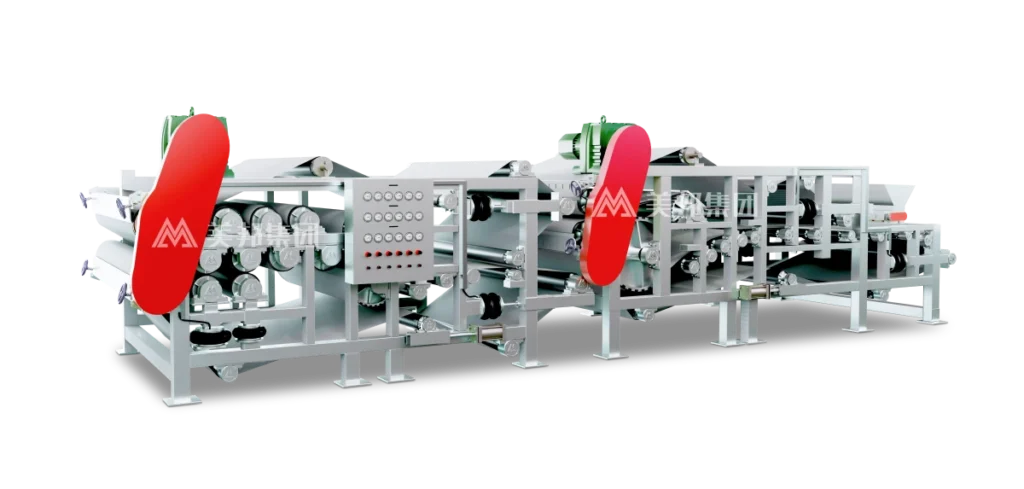
For this reason, some large mines are reconsidering modern belt filter presses as a practical solution for large-scale tailings dewatering.
While plate and frame filter presses remain essential for many dry stacking applications, belt filter presses are increasingly being recognized as a cost-effective alternative for projects that prioritize continuous operation, lower energy consumption, and high processing capacity.
As tailings management challenges continue to evolve, mining companies are likely to assess both technologies carefully to determine the most suitable solution for their specific operational requirements.