
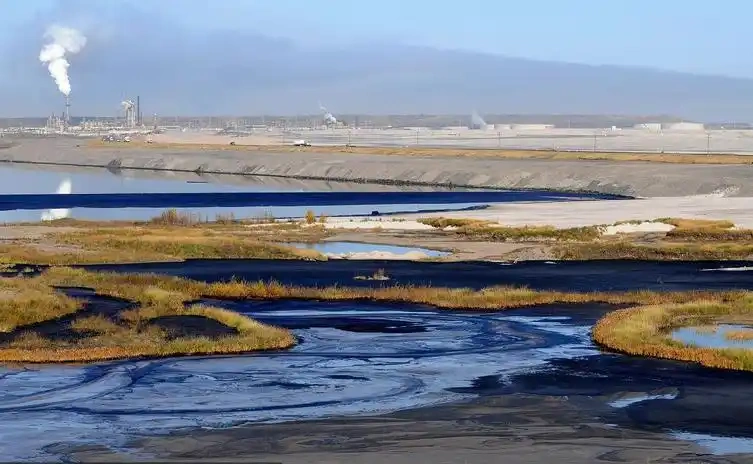
For decades, storing tailings in sediment ponds has been the standard practice across the mining industry. The approach is simple: transport slurry to a designated storage area, allow solids to settle naturally, and recycle part of the recovered water back into the process. While this method remains common, increasing pressure on land resources, stricter environmental regulations, and rising operational costs are forcing many mining companies to reconsider how tailings are managed.
At the same time, mechanical dewatering technologies have matured significantly. Large-scale filter presses and belt dewatering systems now allow mines to remove substantial amounts of water before tailings reach the storage area, transforming slurry into a stackable material that requires far less space and poses fewer environmental risks.
When evaluating tailings management strategies today, three factors often determine the final decision: land requirements, total lifecycle cost, and environmental compliance.
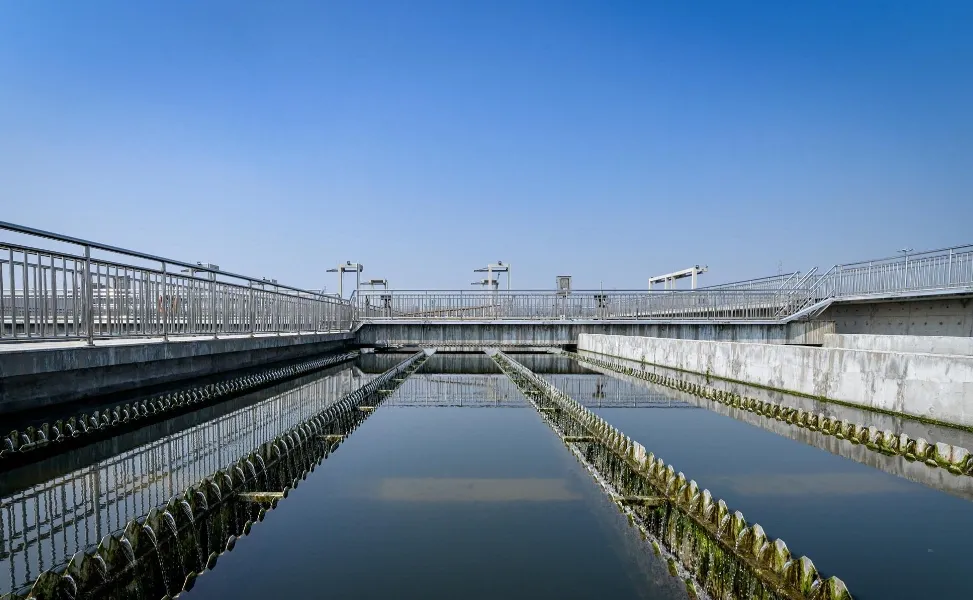
Land Availability Is Becoming a Critical Constraint
Historically, sediment ponds were attractive because land was often considered inexpensive and abundant. Many mining projects were located in remote regions where large storage facilities could be constructed without major conflicts.
However, this situation is changing. New mining projects increasingly face restrictions related to land acquisition, environmental protection zones, community concerns, and long-term reclamation obligations.
A sediment pond requires not only the area occupied by the pond itself but also surrounding safety zones, embankments, drainage systems, and future expansion space. As production increases, the storage footprint often expands continuously throughout the life of the mine.
Mechanical dry dewatering offers a different approach. By removing water before disposal, the volume of material requiring storage is significantly reduced. Dewatered tailings can be stacked in designated areas with much higher storage density than conventional slurry ponds.
For mines operating in mountainous regions, environmentally sensitive areas, or locations where land costs are rising, reducing the footprint of tailings storage can become a major economic advantage.
In some cases, the reduction in land requirements alone can justify the investment in mechanical dewatering equipment.
Looking Beyond Initial Capital Costs
One of the most common arguments in favor of sediment ponds is their relatively low initial construction cost.
Compared with purchasing and installing dewatering equipment, constructing a pond may appear less expensive during the early stages of a project. This often makes sediment ponds attractive for operations focused primarily on minimizing upfront investment.
However, the financial picture changes when long-term operating costs are considered.
A sediment pond requires ongoing monitoring, dam maintenance, water management, dredging in some situations, environmental inspections, and eventual closure activities. As the facility grows larger, these costs typically increase.
Water recovery efficiency can also affect overall operating expenses. Large volumes of water trapped in tailings storage facilities often require additional pumping and treatment, while water losses may increase fresh water demand.
Mechanical dewatering systems require higher initial investment, but they frequently reduce long-term expenditures associated with storage management and water handling.
Modern high-capacity dewatering systems are also becoming more energy efficient. In large mining operations, automated equipment can process substantial slurry volumes while maintaining stable operating costs and reducing labor requirements.
When evaluated over the entire life of a mine rather than the first few years of operation, the economic gap between the two approaches often becomes much smaller than expected.

Environmental Compliance Is No Longer Optional
Environmental expectations within the mining sector have changed dramatically over the past decade.
Governments, investors, local communities, and regulatory agencies now pay much closer attention to tailings management practices than ever before.
Several high-profile tailings dam failures around the world have increased scrutiny of conventional storage methods. As a result, many jurisdictions have strengthened regulations governing dam construction, monitoring, reporting, and emergency preparedness.
For mining companies, compliance is no longer simply a matter of meeting minimum legal requirements. Demonstrating responsible environmental management has become an important factor in securing permits, attracting investment, and maintaining a social license to operate.
Sediment ponds inherently contain large volumes of water. While many facilities operate safely for decades, the potential consequences of structural failure remain significant.
Mechanical dry dewatering reduces these risks by minimizing the amount of water stored with the tailings. Dewatered material is generally more stable and easier to manage throughout the life of the operation.
In addition, improved water recovery supports sustainability goals by reducing freshwater consumption and increasing process water recycling.
As environmental standards continue to evolve, many mining companies are viewing dry tailings management as a proactive strategy rather than simply a compliance measure.
Water Recovery Is Becoming Increasingly Valuable
Water availability has become a major concern in many mining regions.
Operations located in arid climates often face limitations on water extraction permits and increasing competition for local water resources. Even in regions with abundant rainfall, water treatment and discharge regulations continue to tighten.
Sediment ponds recover water naturally through settling and decanting, but the process can be slow and relatively inefficient.
Mechanical dewatering systems recover water much earlier in the process, allowing a greater proportion to be returned directly to production.
For mines processing thousands of tons of ore per day, improved water recovery can generate meaningful operational savings over time.
The value of recovered water is often underestimated during project planning but becomes increasingly important as water management costs rise.
Choosing the Right Solution
There is no universal solution for every mining project.
Small operations with abundant land and relatively low environmental pressure may still find conventional sediment ponds to be a practical option.
However, larger mines increasingly face challenges related to land availability, regulatory requirements, water management, and long-term sustainability commitments.
In these situations, mechanical dry dewatering can provide substantial advantages beyond simple moisture reduction. Reduced storage requirements, improved water recovery, lower environmental risk, and enhanced regulatory compliance all contribute to the growing adoption of dry tailings technologies.
The decision should ultimately be based on a comprehensive evaluation of site conditions, production capacity, regulatory expectations, and long-term operating objectives.
Conclusion
The comparison between sediment pond storage and mechanical dry dewatering extends far beyond equipment selection. It represents two fundamentally different approaches to tailings management.
While sediment ponds remain a familiar and widely used solution, their long-term challenges related to land use, environmental risk, and water management are becoming more difficult to ignore.
Mechanical dry dewatering requires greater upfront investment, but it offers significant benefits in storage efficiency, sustainability, and operational control. As mining companies continue to prioritize responsible resource management and regulatory compliance, dry dewatering is increasingly emerging as the preferred direction for modern tailings treatment.
For many new mining projects, the question is no longer whether dewatering technology is technically feasible, but whether traditional tailings storage can continue to meet the demands of the future.