
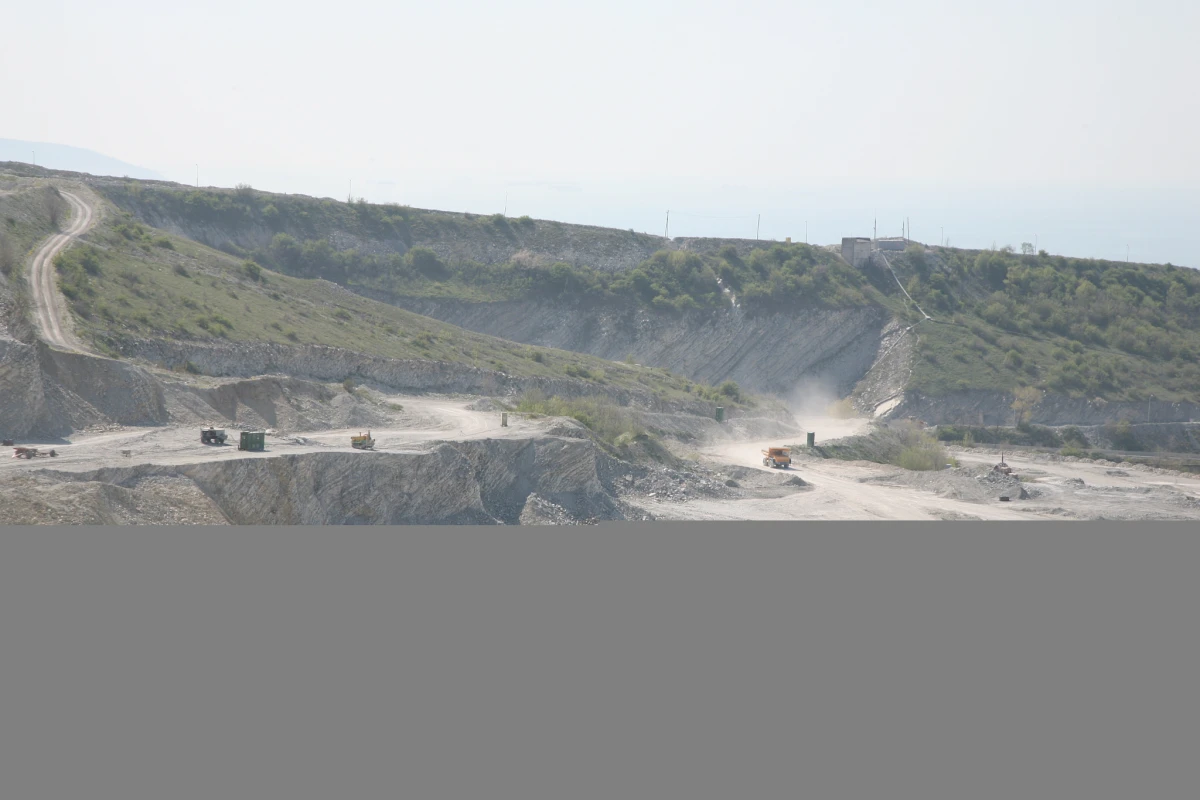
In today’s mining industry, tailings management is no longer just an environmental responsibility. It has become a major factor affecting operating costs, water consumption, land use, and long-term project profitability.
Whether operating a copper mine in Zambia, a lithium project in Zimbabwe, or an iron ore operation in West Africa, mine owners face the same challenge: how to process growing volumes of tailings without continuously increasing costs.
For many procurement managers, the traditional approach has been straightforward. When production increases, more dewatering equipment is added. When tailings volumes grow, additional storage capacity is built.
However, this strategy often creates a new problem.
More equipment means more capital investment, more maintenance work, more spare parts, and more operational complexity.
As mining companies seek greater efficiency, many are beginning to focus on a different question:
How can we process more tailings with fewer machines?
The answer lies in rethinking the economics of modern tailings dewatering.
The Real Cost of Tailings Management
When evaluating a tailings dewatering system, equipment price is often the first number discussed.
But experienced procurement teams know that the purchase price represents only a small portion of the total project cost.
A complete tailings management system includes:
- Equipment procurement
- Civil construction
- Electrical infrastructure
- Installation and commissioning
- Operating labor
- Maintenance expenses
- Spare parts inventory
- Water management costs
- Tailings storage costs
Over the life of a mining project, these expenses can far exceed the initial equipment investment.
This is why leading mining companies increasingly evaluate dewatering solutions based on lifecycle economics rather than purchase price alone.
Why Equipment Quantity Matters
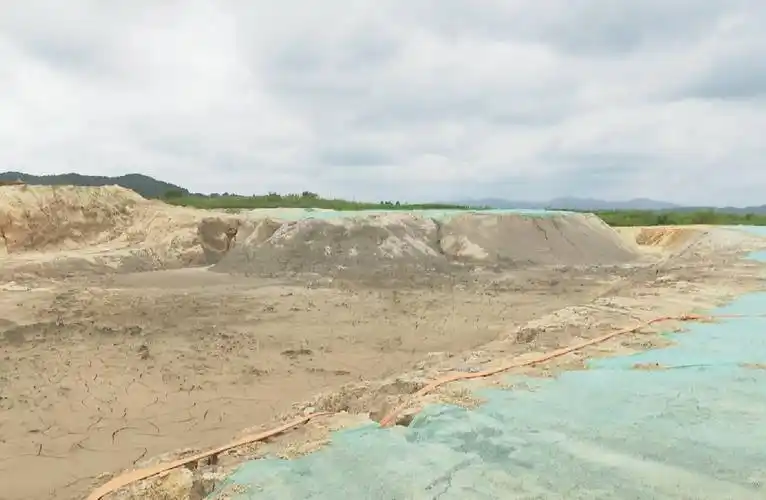
In many tailings treatment projects, capacity requirements are achieved by installing multiple smaller machines.
At first glance, this approach appears flexible.
In practice, however, it often creates operational challenges.
Every additional machine requires:
- Foundation space
- Power supply
- Control systems
- Maintenance schedules
- Spare parts support
- Operator attention
When a plant operates ten or twenty dewatering units simultaneously, maintenance planning becomes significantly more complicated.
Equipment availability becomes harder to manage.
Unexpected downtime can affect the performance of the entire dewatering circuit.
For procurement managers, fewer machines often mean fewer operational headaches.
Reducing equipment quantity can lower installation costs, simplify maintenance planning, and improve long-term reliability.
This is one reason why high-capacity systems are attracting increasing attention across the mining industry.
Water Recovery Is Becoming a Financial Issue
Many mining regions are experiencing increasing pressure on water resources.
Fresh water extraction permits are becoming more difficult to obtain. Water treatment costs continue to rise. Communities and regulators are demanding more responsible water management.
As a result, tailings dewatering is no longer evaluated solely by moisture reduction.
Water recovery has become an important economic metric.
Every cubic meter of water recovered from tailings can be returned to production, reducing the need for additional water intake.
For large mines processing thousands of tons of slurry every day, the cumulative value of recovered water can be substantial.
An efficient tailings dewatering system not only reduces disposal volumes but also improves overall water utilization throughout the operation.
Extending the Life of Tailings Storage Facilities
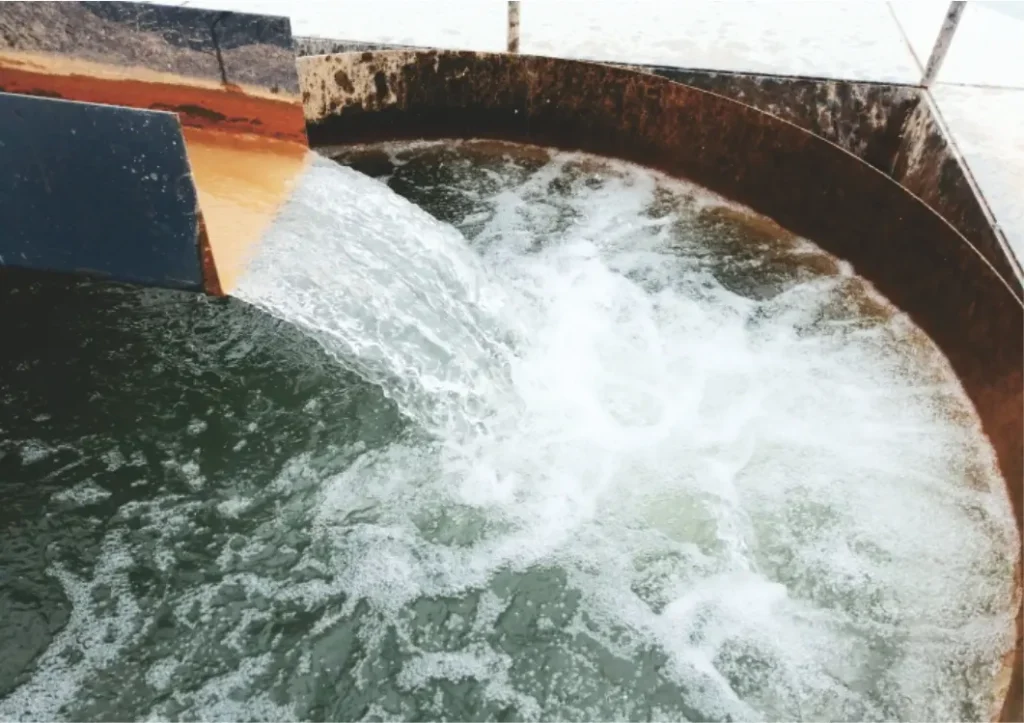
Building a new tailings storage facility is expensive.
Expanding an existing facility can also require significant engineering work, environmental approvals, and capital investment.
For many mining companies, maximizing the useful life of existing tailings infrastructure has become a priority.
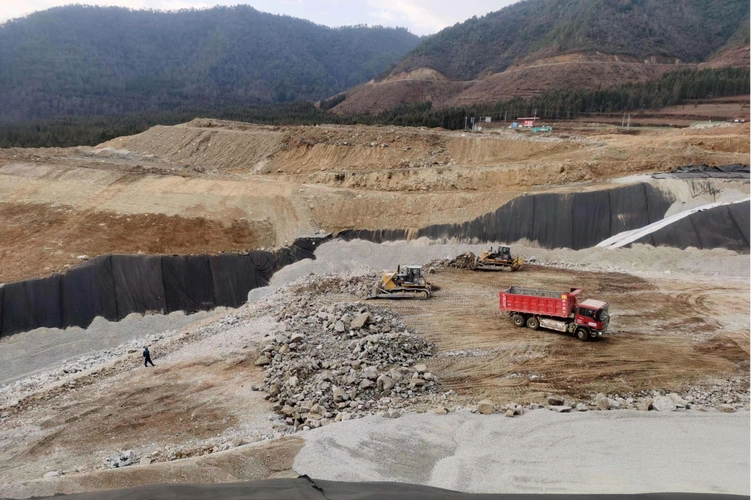
This is where tailings dry stacking and advanced tailings dewatering technologies offer important advantages.
Removing more water before disposal reduces the volume of material entering the storage facility.
Less volume means slower filling rates.
Slower filling rates can translate into a longer operational life for the tailings storage facility.
For procurement teams evaluating future capital expenditures, extending storage capacity can create substantial long-term savings.
High-Capacity Equipment Changes the Economics
Historically, many belt filter press systems used in mining were adapted from municipal or industrial sludge applications.
While suitable for smaller duties, these machines often require large quantities to handle mining-scale slurry volumes.
Today, ultra-large mining belt filter presses are changing that equation.
Instead of relying on numerous small units, mines can process greater volumes using fewer machines.
This approach offers benefits beyond throughput alone.
Fewer machines can mean:
- Lower installation costs
- Reduced building requirements
- Simpler piping layouts
- Lower maintenance labor
- Smaller spare parts inventories
- Easier operational management
The economic impact can be significant over the life of a project.
Matching Capacity to Mine Requirements
Every mine has different production targets and budget considerations.
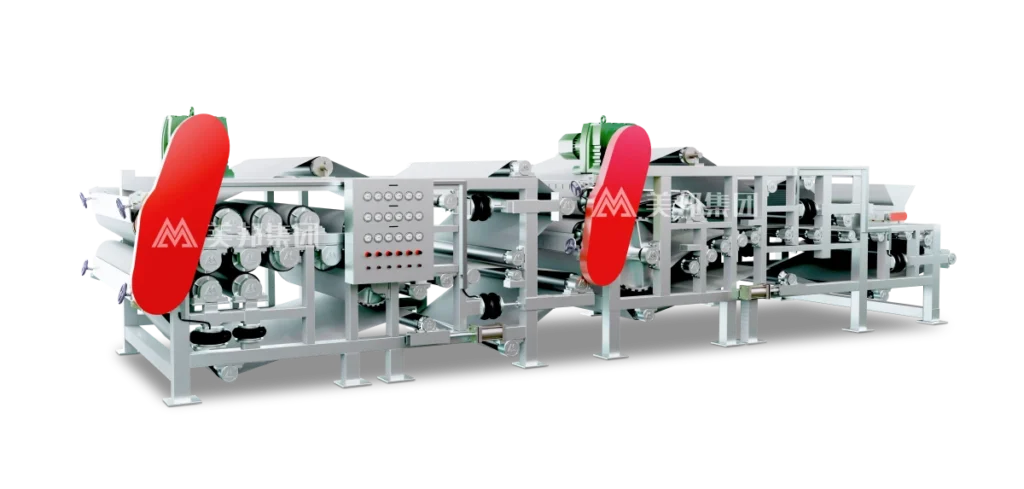
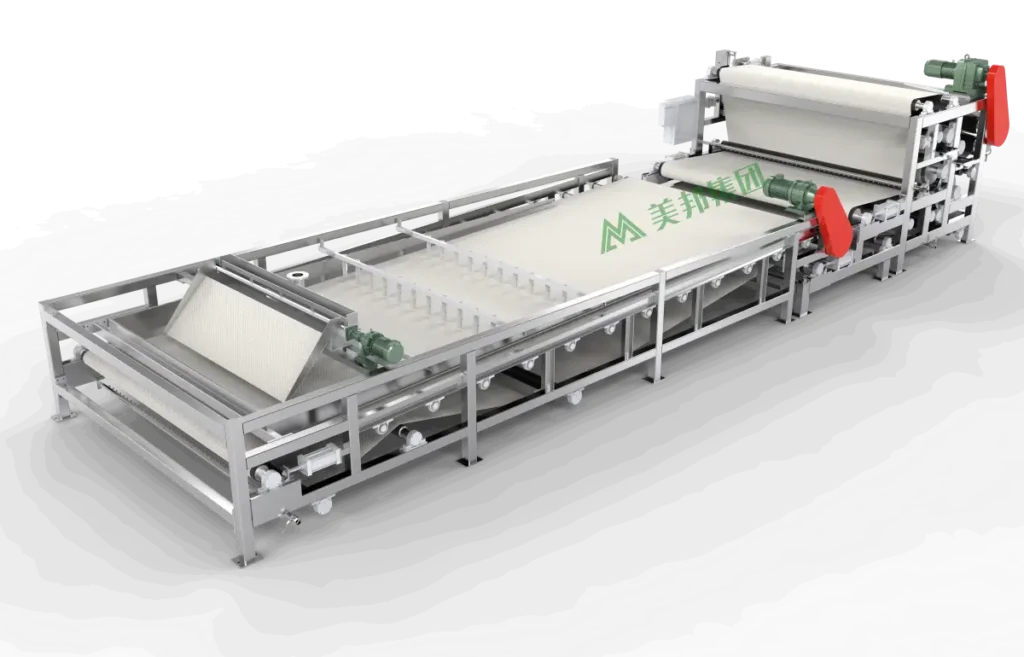
For operations requiring maximum throughput, an ultra-large dual-motor mining belt filter press can provide substantial capacity advantages.
With an overall length of 18 meters, a belt width of 3.5 meters, and slurry processing capacity of up to 80 tons per hour, the system is designed for large-scale tailings dewatering applications where production continuity is critical.
The dual-motor drive configuration provides stable belt operation and supports continuous processing under demanding mining conditions.
For projects where investment efficiency is the primary concern, an ultra-large split-type mining belt filter press may provide a more attractive option.
With a 14.5-meter overall length, a 3.5-meter belt width, and processing capacity of up to 60 tons per hour, the system offers strong performance while maintaining a more competitive investment cost.
The modular structure also simplifies transportation and installation, particularly for remote mining locations where logistics can influence project economics.
Thinking Beyond Equipment Procurement
The best procurement decisions are rarely based on equipment specifications alone.
Successful mining companies evaluate solutions according to the value they create across the entire operation.
The most important questions are often:
- Will this reduce operating costs?
- Will this improve water recovery?
- Will this extend the life of our tailings storage facility?
- Will this simplify maintenance?
- Will this support future production growth?
When viewed from this perspective, high-capacity tailings dewatering systems become more than processing equipment.
They become tools for improving overall project economics.
Conclusion
The future of tailings management is not simply about removing water.
It is about reducing costs, recovering resources, and improving operational efficiency.
For procurement managers, the objective is clear: achieve higher throughput with lower total ownership costs.
This is why many modern mining operations are moving toward larger-capacity tailings dewatering systems capable of processing more slurry with fewer machines.
In an industry where every investment must generate measurable value, the economics of modern tailings dewatering are increasingly defined by a simple principle:
Fewer machines. More throughput. Better long-term returns.