
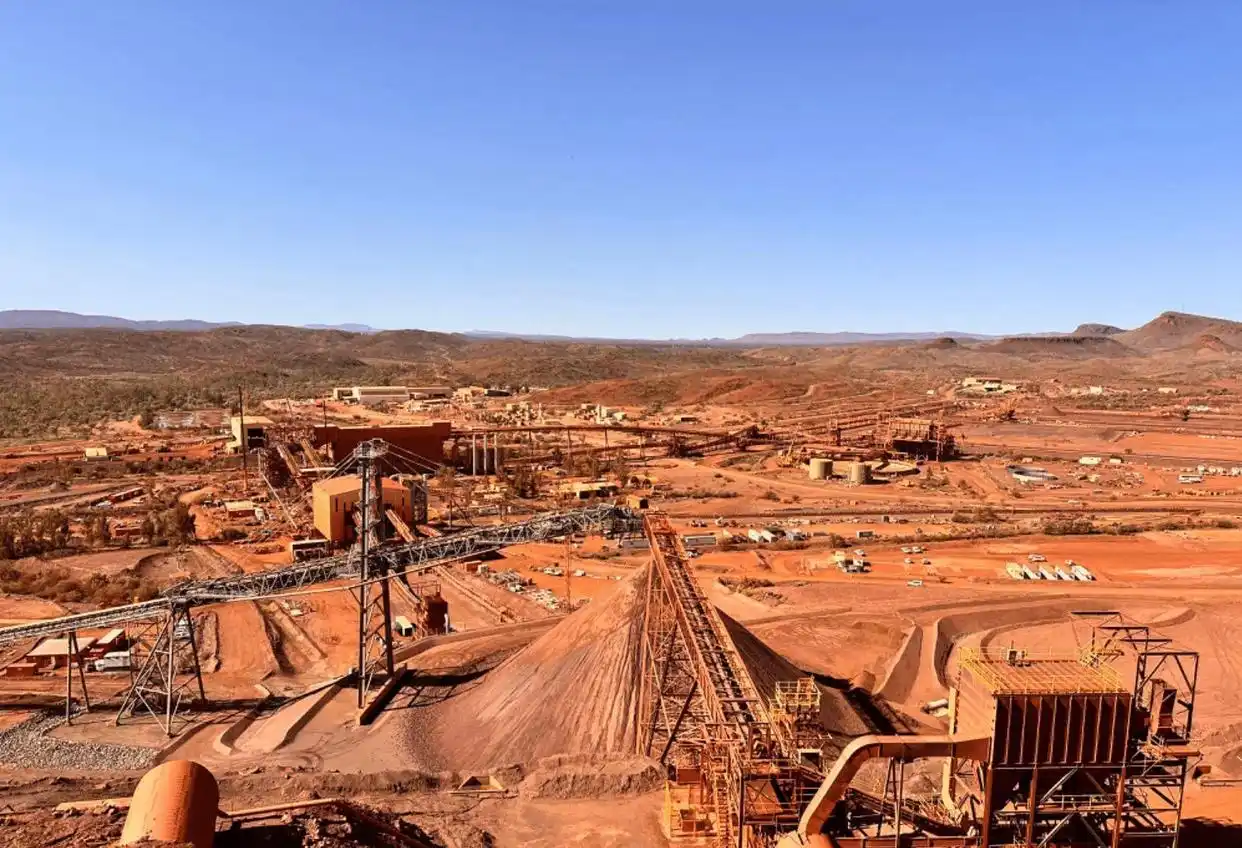
Africa’s copper industry is entering a new phase of growth. Rising demand for copper from electric vehicles, renewable energy projects, and power infrastructure is driving investment across major mining regions such as Zambia and the Democratic Republic of the Congo (DRC). As production expands, copper mines are facing a familiar challenge: how to manage increasing volumes of tailings efficiently and economically.
For many operations, tailings management is no longer just an environmental requirement. It directly affects water recovery, land use, operating costs, and long-term project sustainability. As a result, more mining companies are evaluating mechanical dewatering technologies to support tailings dry stacking and reduce reliance on large tailings ponds.
Among the available solutions, belt filter presses have become an increasingly attractive option for copper mines seeking high throughput, low operating costs, and reliable continuous operation.
Why Tailings Dewatering Matters in African Copper Mining
Copper concentrators generate substantial volumes of slurry every day. Depending on ore characteristics and production capacity, a medium-sized copper mine can produce hundreds or even thousands of tons of tailings daily.
Traditionally, these tailings are pumped directly into storage ponds. While this approach may appear straightforward, it creates several long-term challenges:
- Large land requirements for tailings storage facilities
- High water losses
- Increasing environmental compliance pressure
- Rising costs for pond construction and maintenance
- Long-term closure and rehabilitation obligations
Many copper mines are therefore moving toward tailings dry stacking, where water is removed mechanically before disposal. This approach reduces the volume of stored material, improves water recovery, and lowers environmental risks associated with conventional tailings storage.
Effective tailings dewatering has become a key part of modern mine planning, particularly in regions where water conservation and environmental performance are becoming increasingly important.
The Growing Demand for Large-Capacity Dewatering Equipment
One challenge frequently encountered in African mining projects is scale.
Many equipment suppliers offer belt filter presses originally designed for municipal sludge or small industrial applications. While these machines may perform adequately in smaller operations, they often struggle when faced with the continuous, high-volume demands of copper mining.
Large copper concentrators require equipment capable of processing substantial slurry volumes while maintaining stable moisture content and reliable operation.
This is where ultra-large mining belt filter presses provide a significant advantage.
Instead of relying on multiple small machines, mines can reduce equipment quantity, simplify maintenance, lower installation requirements, and improve operational efficiency through larger-capacity systems.
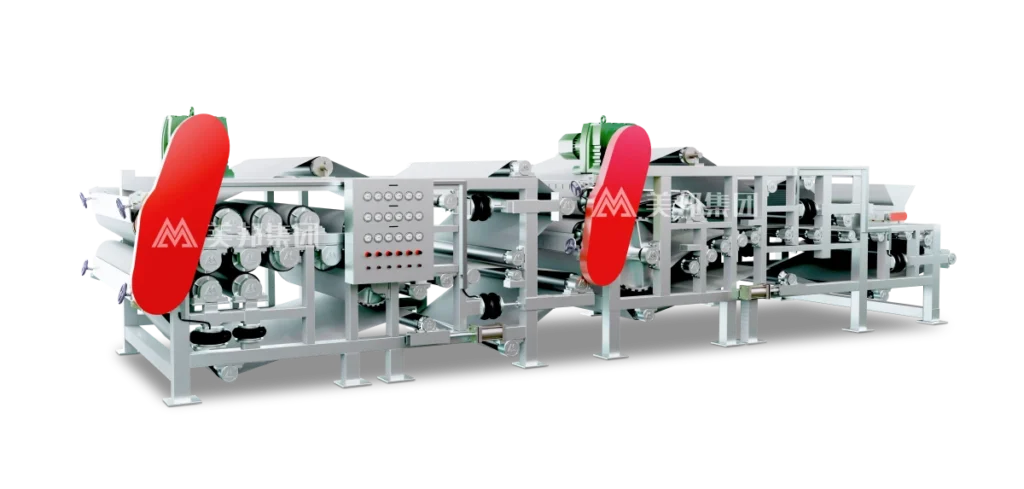
Ultra-Large Dual-Motor Belt Filter Press for High-Volume Copper Mines
For large copper mining operations, equipment capacity is often the primary consideration.
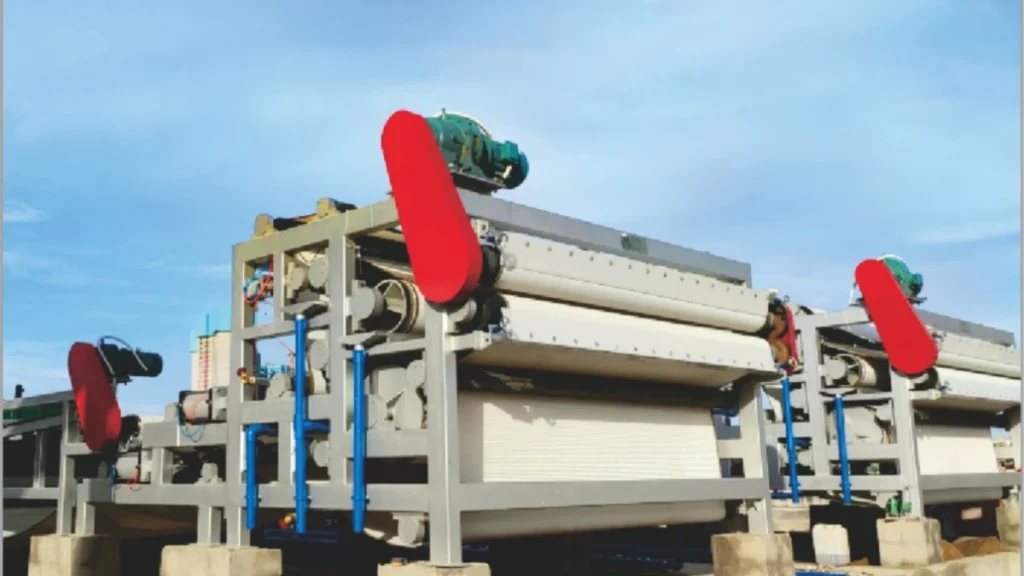
Our ultra-large dual-motor belt filter press has been specifically developed for mining wastewater treatment, tailings dewatering, and dry stack tailings applications.
The machine features:
- Overall length of 18 meters
- Belt width of 3.5 meters
- Maximum slurry processing capacity of 80 tons per hour
- Dual-motor independent drive system
- Continuous automatic operation
Unlike conventional belt presses, the dual-motor design allows more stable belt movement and improved pressure distribution throughout the dewatering process.
For large copper mines processing significant tailings volumes, this configuration helps maintain consistent performance while reducing downtime caused by uneven loading or belt tracking issues.
The high throughput capability also means fewer machines may be required to achieve project targets, helping reduce plant footprint and simplify system layout.
For operations planning large-scale tailings dry stacking projects, equipment capacity becomes a critical factor in determining overall investment efficiency.
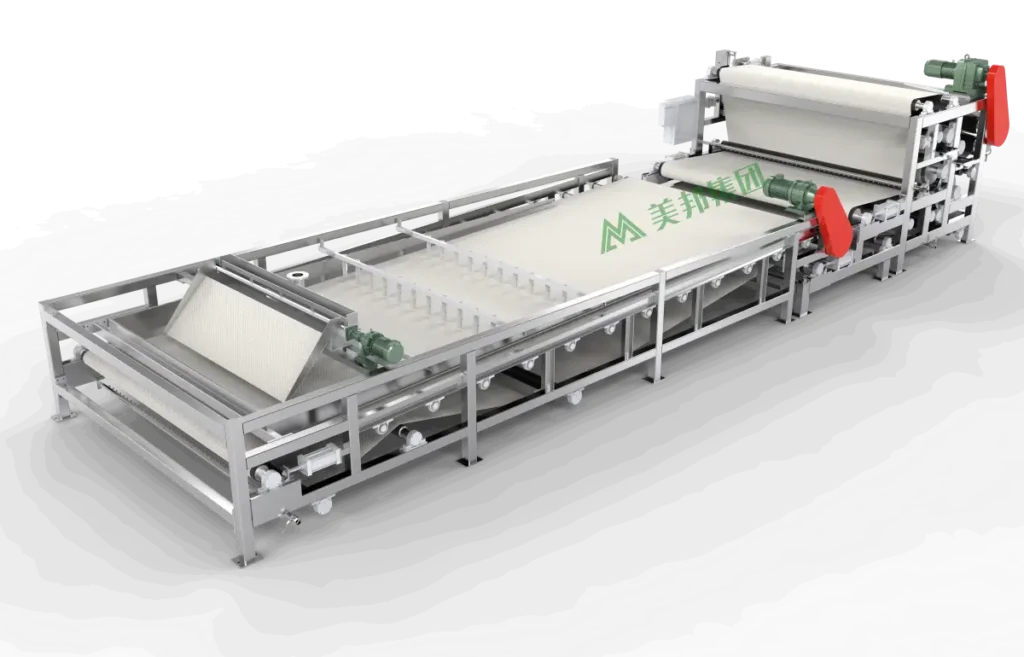
Cost-Effective Split-Type Belt Filter Press for Medium and Large Mines
Not every mine requires maximum capacity.
Many copper operations are focused on achieving reliable tailings dewatering while maintaining tight capital budgets.
For these projects, our ultra-large split-type belt filter press provides an attractive alternative.
Key specifications include:
- Overall length of 14.5 meters
- Belt width of 3.5 meters
- Maximum slurry processing capacity of 60 tons per hour
- Modular split-type structure
- Competitive investment cost
The split-type design simplifies transportation and installation, which is particularly valuable for remote mining sites throughout Africa where logistics can significantly impact project costs.
Despite its lower purchase price, the machine still delivers substantial processing capacity suitable for many copper concentrators.
For mining companies seeking a balance between performance and investment, this model often provides excellent value.
In many cases, the split-type system can achieve project requirements at a lower initial cost while maintaining the operational benefits of mechanical tailings dewatering.
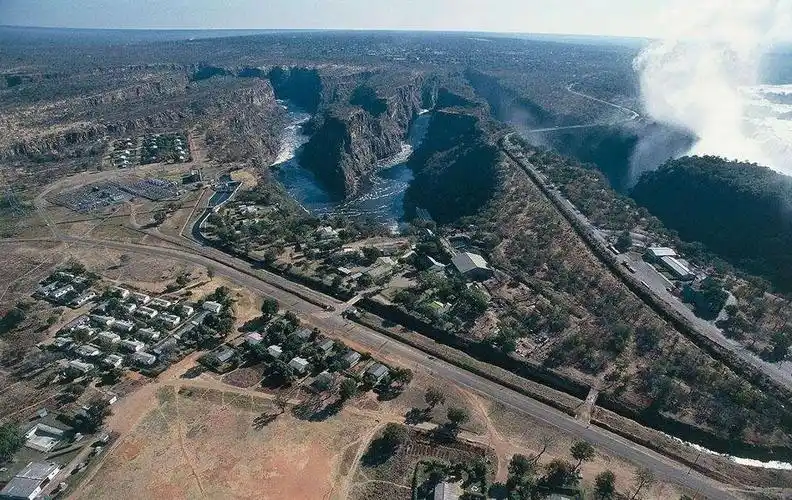
Supporting Tailings Dry Stacking Strategies
The mining industry is increasingly moving toward tailings dry stacking as part of broader sustainability initiatives.
Compared with conventional slurry storage, dry stacked tailings offer several advantages:
- Reduced storage footprint
- Improved water recovery
- Lower environmental risk
- Easier reclamation planning
- Greater long-term storage stability
Successful dry stacking depends heavily on the effectiveness of the dewatering system.
A properly designed belt filter press installation can significantly reduce moisture content before disposal, making tailings easier to transport, stack, and manage.
For copper mines seeking to improve environmental performance while controlling costs, investing in reliable dewatering equipment is often one of the most practical steps available.
Choosing the Right Belt Filter Press for Your Mine
Selecting the appropriate system depends on several factors:
- Daily tailings production
- Target moisture content
- Available installation space
- Water recovery objectives
- Capital investment budget
- Future production expansion plans
Large copper mines with high slurry volumes may benefit most from the 18-meter dual-motor model capable of processing up to 80 tons per hour.
Meanwhile, operations prioritizing cost-effectiveness may find the 14.5-meter split-type model to be the optimal solution, offering up to 60 tons per hour capacity with a more competitive purchase price.
Both solutions are designed specifically for mining applications rather than municipal sludge treatment, ensuring they can withstand the demanding operating conditions commonly encountered in copper processing plants.
Conclusion
As copper production continues to expand across Africa, efficient tailings management is becoming increasingly important. Mining companies are under pressure to reduce environmental impact, recover more water, and control operating costs while maintaining high production levels.
Mechanical tailings dewatering is playing a growing role in achieving these objectives, and belt filter presses remain one of the most practical solutions available.
Whether the priority is maximum throughput or the best balance between performance and investment, ultra-large mining belt filter presses can help copper mines implement more efficient tailings dry stacking strategies while supporting long-term operational sustainability.
For African copper mines looking to modernize their tailings management systems, choosing equipment designed specifically for large-scale mining applications can make a significant difference in both project performance and total lifecycle cost.