
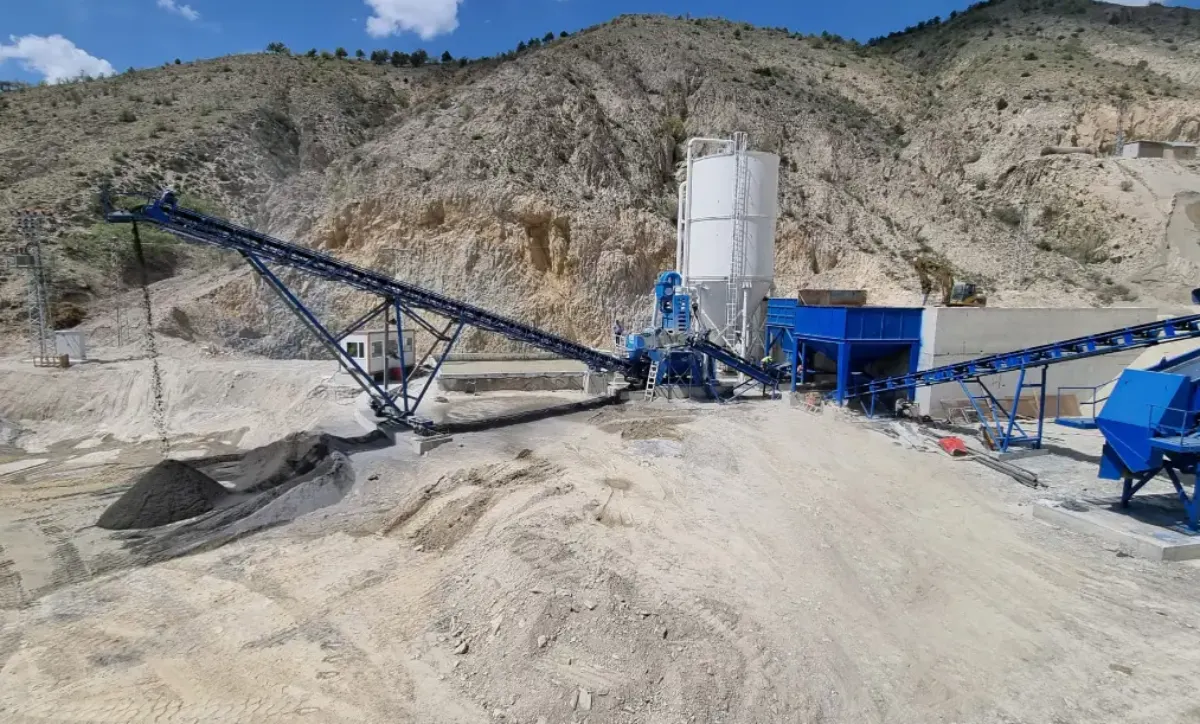
As infrastructure development accelerates across Southeast Asia, the demand for high-quality sand and aggregates continues to surge. However, traditional sand washing processes often come with high water consumption and severe environmental pressures. Recently, we successfully delivered and commissioned a large-scale sand washing project in Thailand with a daily wastewater treatment capacity of 2,000 m³. By integrating an advanced belt filter press system, we have not only set a benchmark for high productivity but also achieved green compliance in the region.
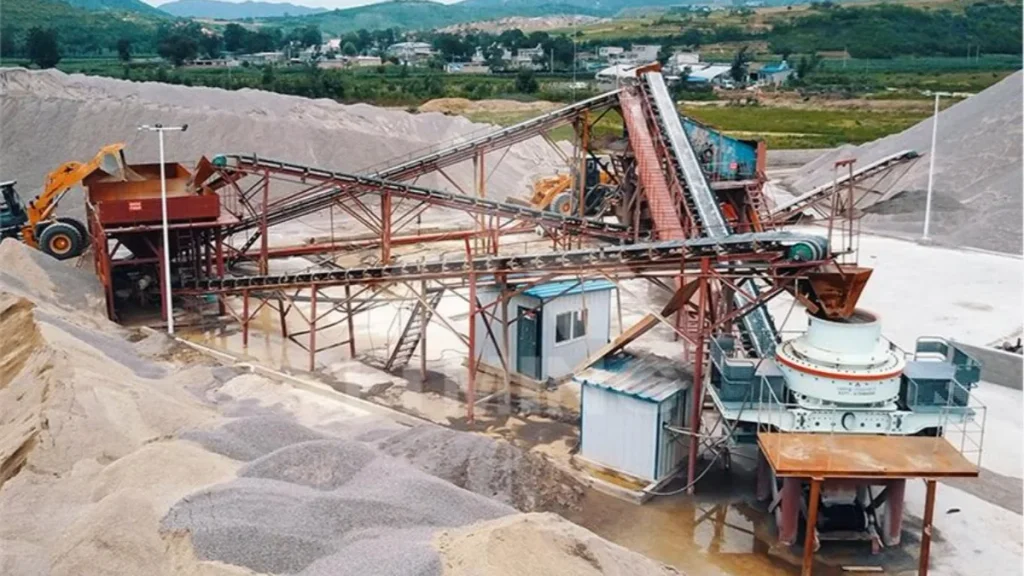
The Pain Points: When Sand Washing Meets Environmental and Cost Pressures
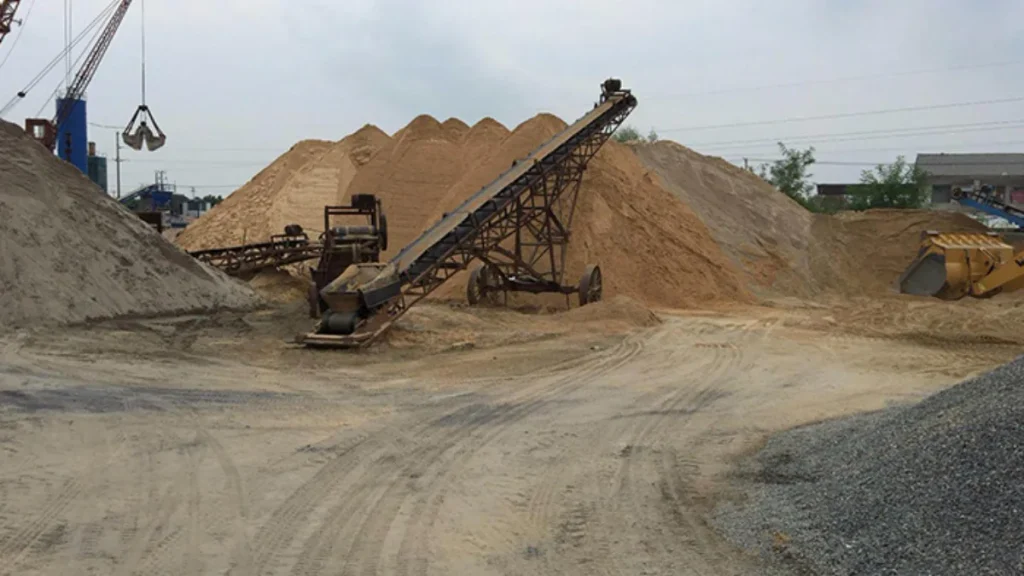
Thailand is rich in sand and aggregate resources, but the large volumes of muddy water and fine sand loss generated during washing have long been a headache for operators. On one hand, increasingly stringent environmental regulations mean that discharging untreated wastewater can lead to hefty fines or even shutdowns. On the other hand, traditional settling ponds consume vast amounts of land and require long cleaning cycles, wasting water and demanding significant manual labor. How to achieve green compliance while maintaining high throughput and reducing costs? This is the bottleneck the industry urgently needs to overcome.
The Complete Process: A Closed-Loop System from Feed to Dry Stacking
To meet the client’s specific needs, we customized a modern zero-discharge sand washing wastewater process. The entire workflow is seamlessly integrated:
1. Washing & Screening
Raw sand is fed into a drum scrubber and wheel sand washer, where strong water washing removes mud and impurities. A vibrating screen then separates coarse and fine aggregates, ensuring the cleanliness of the final sand product.
2. Thickening & Separation
The high-concentration wastewater (containing large amounts of suspended solids and fine sand) flows into a deep-cone thickener. Here, flocculants are added to accelerate sedimentation. The clear water overflows to a clean water tank for recycling.
3. Deep Dewatering (The Core Stage) Belt Filter Press Operation
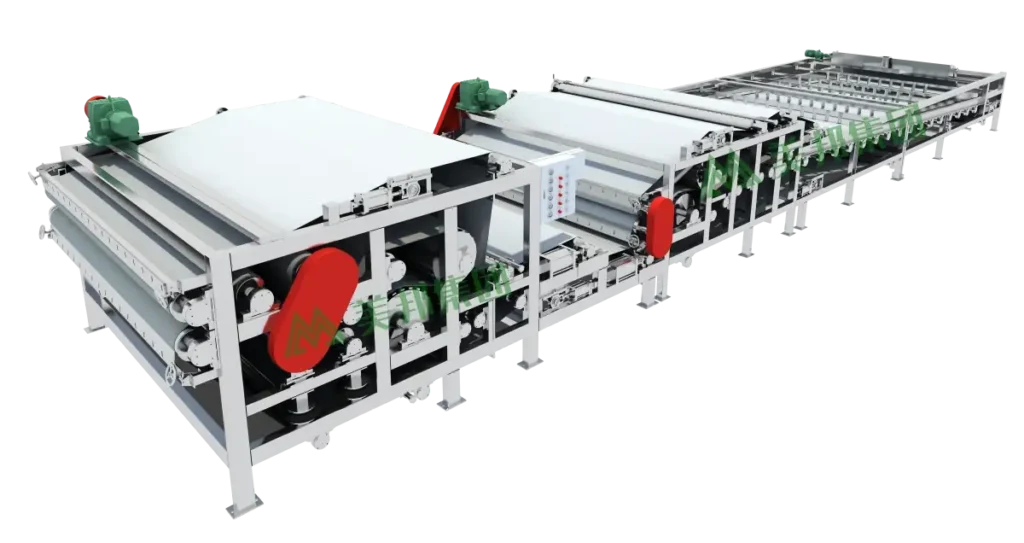
The high-density slurry from the bottom of the thickener is pumped to our core equipment — two 3.5-meter belt width heavy-duty mining belt filter presses. This belt filter press delivers continuous high-pressure dewatering and serves as the heart of this closed-loop wastewater treatment flow.
4. Dry Stacking & Reuse
After high-pressure squeezing by the filter presses, the slurry is separated into low-moisture “filter cakes” and clear filtrate. The filtrate returns directly to the washing system, while the dry cake can be loaded onto trucks for brick making, backfilling, or mine reclamation.
The Core Equipment: The Hard Power of 3.5m Heavy-Duty Belt Filter Presses
In this 2,000 m³/day project, the two 3.5m belt filter presses are undoubtedly the stars of the show. Each unit handles 100 m³ of wastewater per hour. Operating 10 hours a day on average, the dual-unit configuration perfectly matches the plant’s capacity requirements. This is not just equipment—it is an engine that creates profit for the client:
Environmental Compliance, Say Goodbye to Fines
The extra-wide 3.5m filter belt, combined with a multi-roller high-pressure dewatering design, produces extremely dry filter cakes. It achieves zero discharge of sand washing wastewater, solving the overflow pollution issues of traditional settling ponds. More importantly, it turns previously troublesome sludge into easily transportable, resource-recoverable dry material, completely eliminating environmental concerns for the project.
Massive Capacity for Continuous Production
The heavy-duty mining-grade frame and high-strength filter belts are specifically designed for the 10-hour (or longer) high-intensity continuous operations of sand washing plants. It easily handles high-load slurry surges, ensuring the entire washing line never gets “bottlenecked” by the wastewater treatment stage.
Power & Labor Savings, Maintenance Costs Plummet
The equipment features highly automated control, requiring no dedicated operator supervision. Its optimized transmission system and efficient wash water recycling design significantly reduce power consumption per ton of water treated. Additionally, the filter belt is equipped with automatic tracking and high-pressure automatic washing devices, which not only reduce manual cleaning frequency but also extend belt life, making routine maintenance simple and hassle-free.
Conclusion: Sustainable Competitiveness for Large-Scale Sand Plants
Through this system—comprising sand washers, a thickener, and two 3.5m mining belt filter presses—the Thai sand plant has not only easily cleared the environmental threshold but has also achieved significant reductions in operating costs. Recycled water reduces freshwater purchases, dry cake transport saves expensive disposal fees, and automated operation lowers labor expenses.
In today’s aggregate industry, which increasingly pursues standardization and green development, high-capacity, energy-efficient, and easy-to-maintain dewatering equipment has become standard for large-scale sand plants. If you are planning or upgrading your sand washing production line, contact us today. Let us tailor an efficient and eco-friendly wastewater treatment solution for you.