Indonesia Aggregate Market: Infrastructure Development Creates New Demand
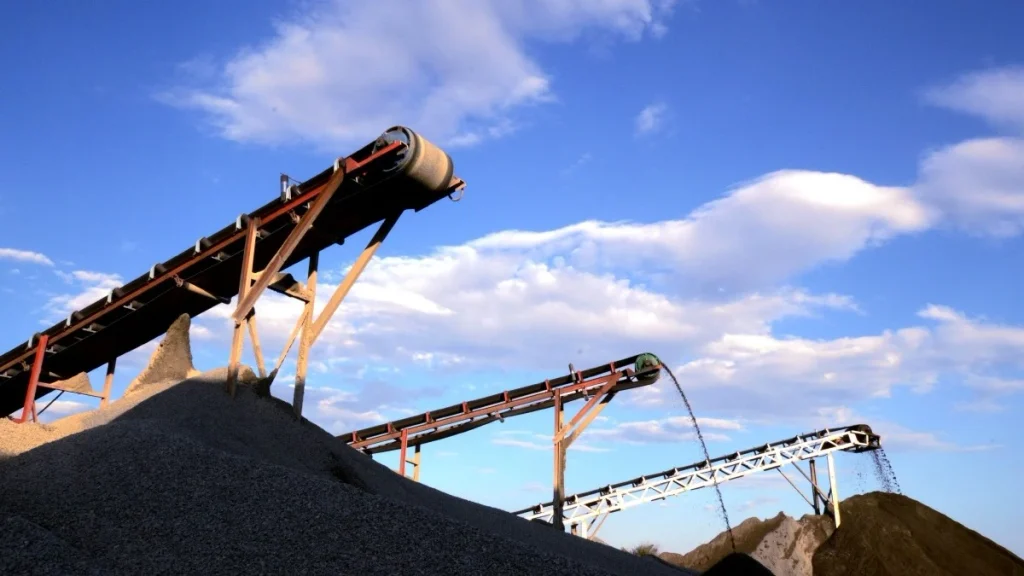
The Indonesia aggregate market is gaining attention as the country continues to invest in transportation, industrial development, urban construction and public infrastructure. Roads, bridges, airports, seaports, industrial parks and residential projects all require substantial quantities of sand, gravel and crushed stone.
As infrastructure development expands across Indonesia, local quarry operators and aggregate producers face growing opportunities to increase production capacity and modernize their processing facilities.
For the construction materials industry, this creates demand not only for crushing and screening equipment but also for sand washing systems, wastewater treatment facilities and industrial sludge dewatering machines.
In particular, efficient wastewater management is becoming an important consideration for large-scale sand washing plants. Producers need to recover process water, control fine sand losses and manage the sludge generated during aggregate processing.
These requirements create opportunities for specialized industrial equipment manufacturers, particularly suppliers of continuous belt filter presses for mineral sludge dewatering.
1. Infrastructure Development Supports Indonesia’s Aggregate Industry
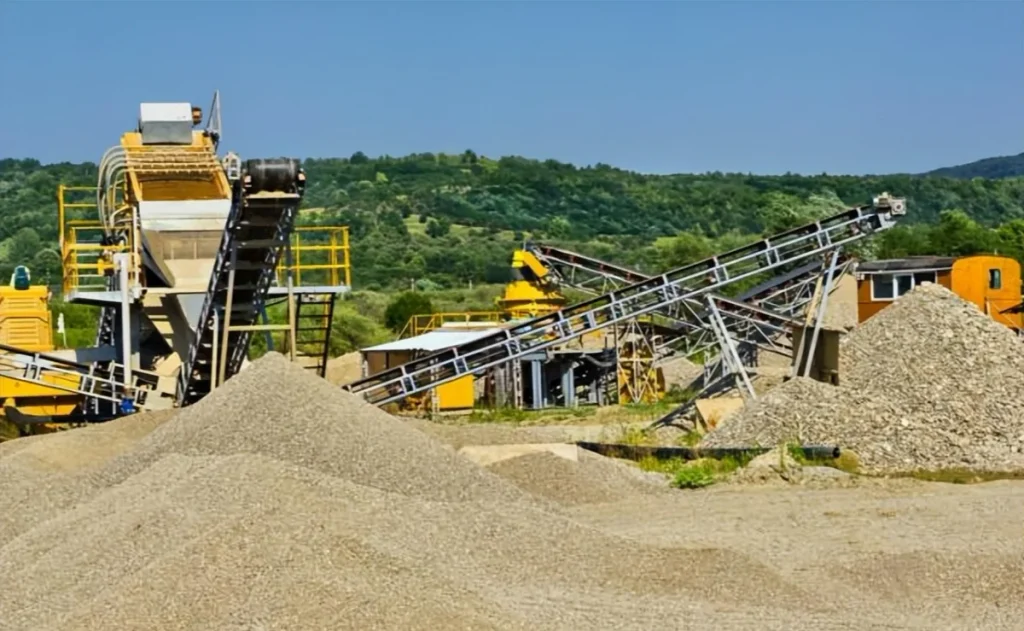
Indonesia has extensive infrastructure development requirements. Government investment programs and private-sector participation are supporting construction activities across different regions.
Several infrastructure sectors are particularly important for aggregate producers.
Highway and Road Construction
Highways and regional roads require large volumes of crushed stone, gravel and sand.
Aggregates are used in road foundations, sub-base layers, drainage systems and asphalt production. Large road construction projects therefore require reliable supplies of consistently graded construction materials.
As transportation networks expand across Java, Sumatra, Kalimantan and other regions, local quarries and aggregate processing plants play an important role in supplying construction materials.
Industrial Parks and Manufacturing Facilities
Indonesia continues to develop industrial areas to attract investment in manufacturing, mineral processing, energy and logistics.
Industrial parks require extensive civil engineering work, including factory foundations, internal roads, drainage systems, warehouses and supporting facilities.
These projects create demand for concrete aggregates, manufactured sand and other processed construction materials.
Ports, Airports and Water Infrastructure
Ports, airports, dams, irrigation networks and urban water infrastructure also require substantial quantities of construction aggregates.
Such projects often involve large concrete structures, earthworks and foundation construction.
For aggregate suppliers, the geographical distribution of these projects creates opportunities to establish regional production facilities close to major construction markets.
2. Opportunities for Sand and Gravel Producers in Indonesia
Indonesia’s archipelagic geography makes local aggregate production particularly important.
Transporting heavy construction materials over long distances can significantly increase logistics costs. For many construction projects, sourcing aggregates from nearby quarries is a practical solution.
This creates opportunities for local producers to establish new quarries, expand existing facilities and upgrade their aggregate processing equipment.
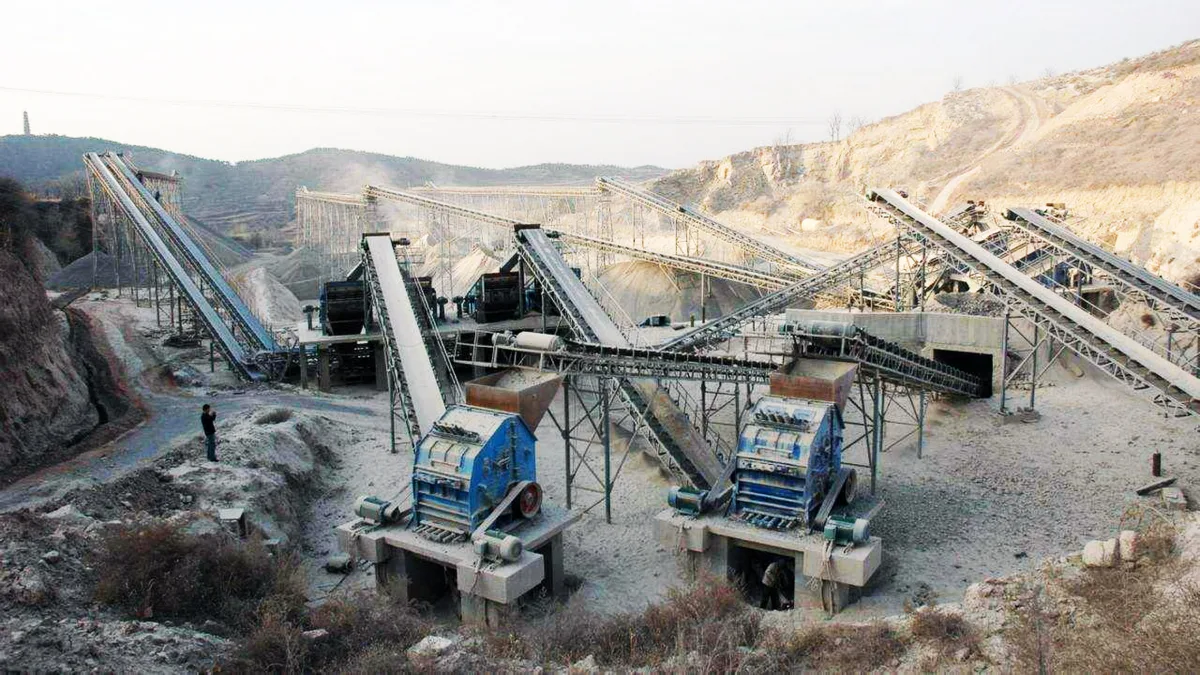
A typical modern aggregate production plant may include:
- Jaw crushers and impact crushers.
- Cone crushers and vibrating screens.
- Sand making machines.
- Belt conveyors and material handling systems.
- Sand washing machines.
- Hydrocyclones and fine sand recovery equipment.
- Wastewater treatment and sludge dewatering systems.
As production capacity increases, the performance of supporting equipment becomes increasingly important.
Crushing and screening equipment determines the size and quality of the finished aggregates, while washing systems remove clay, dust and unwanted fine particles.
However, washing operations also generate wastewater containing suspended solids, fine sand and mineral sludge.
Managing this wastewater efficiently is essential for maintaining stable production and reducing unnecessary water consumption.
3. Sand Washing Wastewater Treatment: A Key Challenge for Aggregate Plants
Sand washing is an important process in many aggregate production facilities, particularly when raw materials contain clay, silt, dust and other impurities.
During washing, water carries fine particles away from the sand and gravel. The resulting wastewater contains suspended mineral solids that must be separated before the water can be reused or discharged.
Without an effective treatment system, sand washing plants may experience:
- High freshwater consumption.
- Excessive fine sand losses.
- Increasing sludge accumulation.
- Large areas required for settling ponds.
- Difficulties in managing wastewater discharge.
- Higher sludge handling and transportation costs.
A well-designed sand washing wastewater treatment system helps address these problems.
A typical treatment process includes several stages.
Step 1: Wastewater Collection
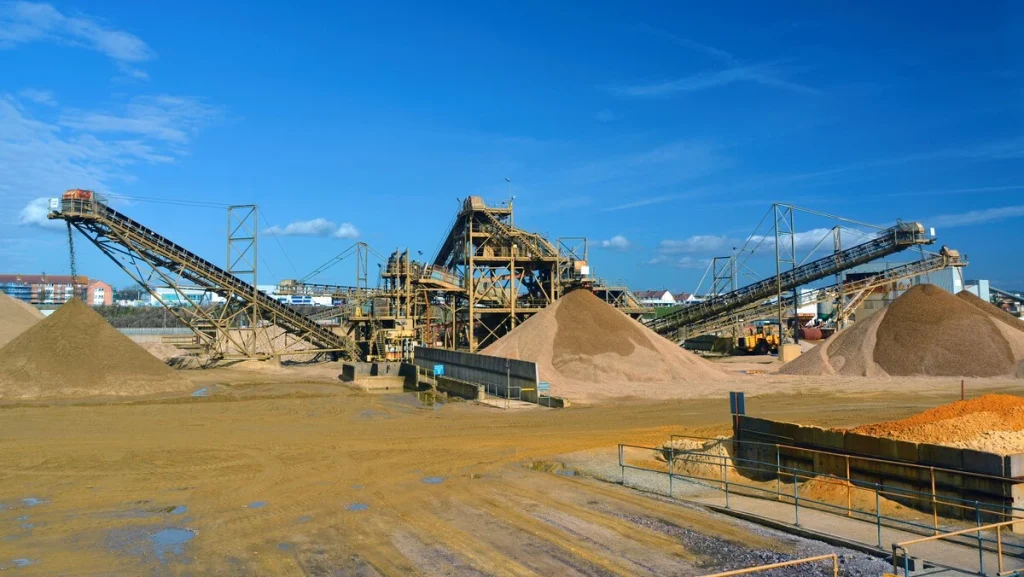
Wastewater from sand washing machines and aggregate processing equipment is collected and directed to a sedimentation or treatment system.
Step 2: Sand Separation and Classification
Hydrocyclones and classification equipment separate recoverable sand particles from finer suspended solids.
This stage helps reduce valuable sand losses and prepares the remaining wastewater for further treatment.
Step 3: Slurry Thickening
Fine mineral particles settle in a thickener, producing concentrated slurry with a higher solids content.
The thickened sludge can then be transferred to mechanical dewatering equipment.
Step 4: Mechanical Sludge Dewatering
A belt filter press or another suitable dewatering machine separates additional water from the concentrated mineral sludge.
This reduces the amount of water retained in the solids and makes sludge handling and transportation easier.
Step 5: Water Recovery and Recycling
Recovered water is collected and returned to the sand washing process when its quality meets the operational requirements.
This creates a more efficient water circulation system and reduces dependence on continuous freshwater supplies.
4. Belt Filter Press for Sand Washing Sludge Dewatering
For large aggregate producers, mechanical dewatering can be an important part of an integrated wastewater treatment system.
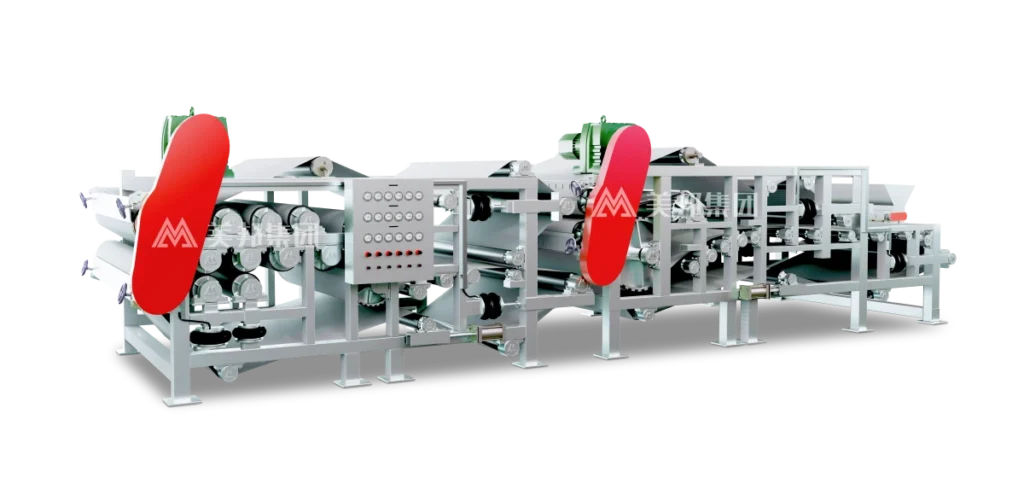
A belt filter press for sand washing sludge uses gravity drainage and mechanical pressure to separate water from conditioned sludge.
The sludge is distributed onto a moving filter belt. Free water drains through the belt before the material enters a series of rollers that progressively compress the sludge.
The resulting dewatered solids are discharged for further handling, while the separated water is collected for treatment or potential reuse.
Why Choose a Belt Filter Press?
Continuous Operation
A belt filter press is designed for continuous sludge feeding and discharge. This makes it suitable for aggregate plants that operate for extended production hours.
Reduced Sludge Volume
Mechanical compression removes additional water from the sludge, reducing the volume of material requiring transportation or disposal.
Water Recovery
Separated water can be collected and returned to the treatment system, helping improve overall water utilization.
Industrial Processing Capacity
Belt filter presses are available in different configurations and working widths to accommodate different treatment requirements.
Integration with Existing Treatment Systems
A belt filter press can be integrated with existing wastewater collection, sedimentation and thickening systems.
However, equipment selection must be based on actual sludge characteristics. Mineral composition, particle size distribution, solids concentration and chemical conditioning all influence dewatering performance.
A material dewatering test is therefore recommended before determining the final machine configuration.
5. How to Choose Dewatering Equipment for an Indonesian Sand Washing Plant
Choosing the right dewatering machine requires more than comparing equipment dimensions or motor power.
Aggregate producers should evaluate several operational factors.
Sludge Characteristics
Sand washing sludge can contain different proportions of fine sand, silt, clay and other mineral particles.
These characteristics affect drainage speed, filter belt selection and the required conditioning process.
Treatment Capacity
The required sludge treatment capacity should match the actual wastewater generation of the sand washing plant.
The dewatering system should also consider peak production conditions and daily operating hours.
Water Recovery Requirements
If the plant intends to recycle process water, the wastewater treatment system should be designed to achieve the required water quality.
Cake Moisture and Solids Handling
The required final cake condition depends on how the dewatered sludge will be transported, stored or further processed.
The target moisture content should be determined through material testing rather than relying on a universal performance figure.
Operating and Maintenance Costs
Electricity consumption, filter belt replacement, polymer usage, maintenance and labor should all be considered when evaluating the long-term operating costs of a dewatering system.
For large aggregate plants, the right equipment configuration can improve wastewater treatment efficiency and support more stable production.
6. Opportunities for Industrial Dewatering Equipment Suppliers
The development of Indonesia’s aggregate industry creates opportunities for suppliers across the entire production chain.
While crushing and screening equipment remains essential, supporting systems are also important for modern aggregate processing facilities.
These include sand washing machines, fine sand recovery systems, wastewater treatment equipment, sludge thickeners and mechanical dewatering machines.
Meibang Group specializes in industrial dewatering equipment and manufactures belt filter presses for suitable mineral processing and sand washing wastewater applications.
Our equipment solutions are designed for industrial applications requiring continuous sludge treatment and mechanical solid-liquid separation.
For aggregate producers planning new sand washing plants or upgrading existing wastewater treatment facilities, selecting the right dewatering equipment can help improve water recovery, reduce sludge volume and simplify solids handling.
Meibang also provides material dewatering tests and customized equipment recommendations to help customers evaluate suitable solutions based on their actual materials and operating conditions.
Conclusion: Efficient Sludge Dewatering Supports Aggregate Production
The development of infrastructure, industrial parks and transportation networks is supporting demand for construction aggregates in Indonesia.
As local producers expand their sand and gravel processing operations, efficient sand washing and wastewater management will become increasingly important.
Recovering process water, reducing fine particle losses and managing mineral sludge are essential considerations for modern aggregate plants.
A properly selected belt filter press can help improve sludge dewatering efficiency, reduce the volume of wet solids and support continuous wastewater treatment operations.
For Indonesian quarry operators, sand washing plant owners and aggregate producers, investing in suitable dewatering technology can be an important step toward more efficient and sustainable production.
Planning a sand washing wastewater treatment system in Indonesia?
Contact Meibang Group to discuss your material characteristics, wastewater volume and sludge treatment requirements. Send us a material sample for a free dewatering test and receive an equipment recommendation tailored to your production conditions.