
The Rapid Growth of Copper Production Is Creating New Tailings Challenges
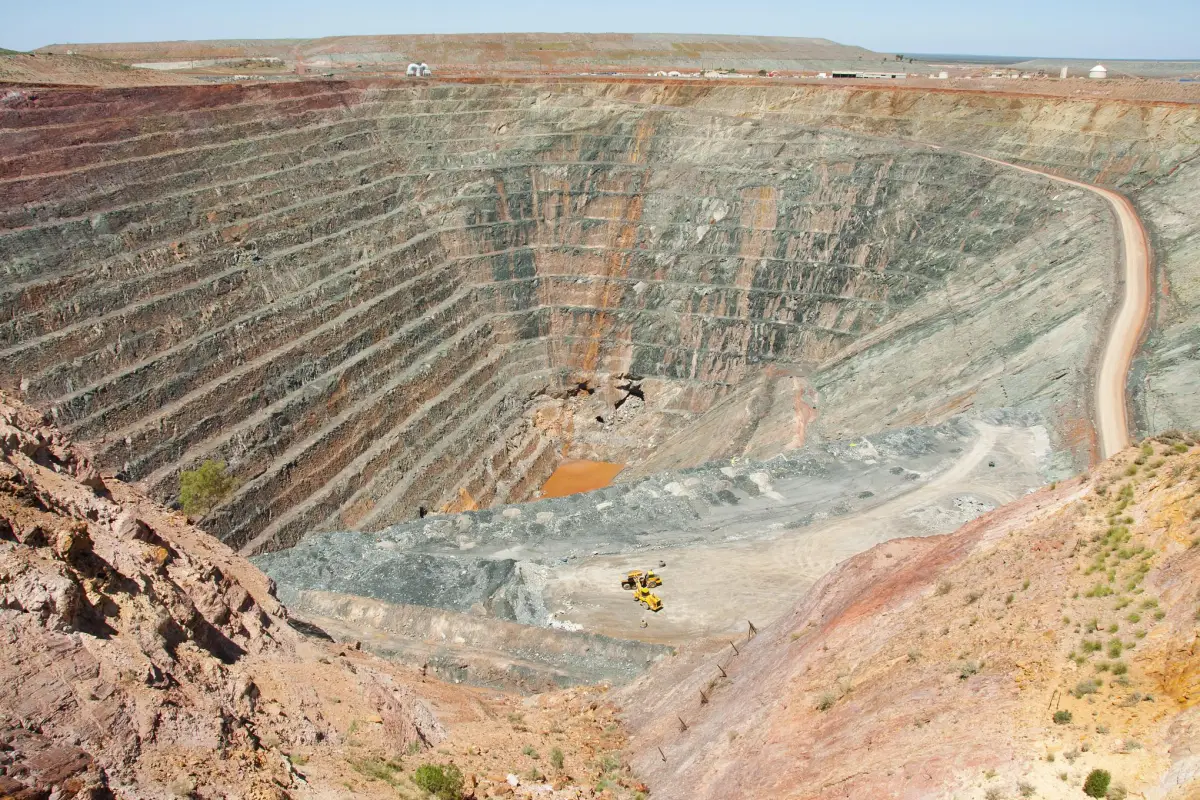
The Democratic Republic of Congo (DRC) has become one of the world’s fastest-growing copper producers. Large mining operations in the Copperbelt region continue expanding production as global demand for copper increases, driven by electric vehicles, renewable energy infrastructure, and power transmission projects.
Many mines that were originally designed for moderate production are now processing substantially larger volumes of ore each year. While this expansion brings significant economic benefits, it also creates one of the industry’s biggest operational challenges—managing dramatically increasing volumes of tailings.
Every additional tonne of copper concentrate produced generates many tonnes of tailings that must be safely stored for decades. As production continues rising, existing Tailings Storage Facilities (TSFs) are approaching their design capacities much faster than originally anticipated.
For many DRC mines, extending the operating life of existing TSFs has become just as important as increasing copper production itself.
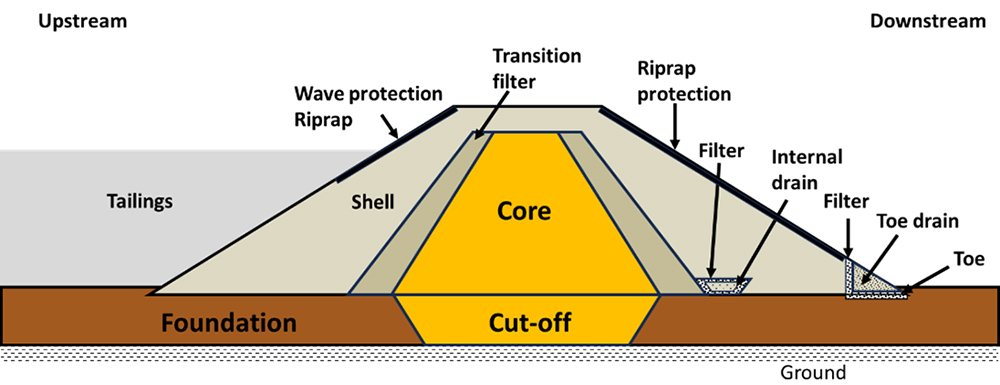
Why TSF Expansion Is Becoming Increasingly Expensive
Unlike building a processing plant, expanding a TSF is rarely a simple engineering project.
Every raise requires:
- geotechnical investigation
- environmental assessment
- drainage redesign
- embankment construction
- monitoring systems
- regulatory approval
In the Copperbelt, these projects also compete for land with nearby communities, infrastructure, and future mining activities.
As TSFs become larger, each additional raise requires significantly more construction material while increasing long-term operational responsibilities.
For mining companies operating several large pits simultaneously, TSF expansion often becomes one of the largest sustaining capital expenditures during the mine life.
Reducing the frequency of TSF expansion therefore represents a major opportunity to lower long-term operating costs.
Heavy Rainfall Makes Water Management More Difficult
Unlike extremely dry mining regions such as northern Chile, many copper mines in the DRC operate under tropical climatic conditions.
Long rainy seasons introduce several operational challenges:
- higher pond water levels
- increased seepage management
- greater hydraulic pressure on embankments
- larger volumes of process water requiring control
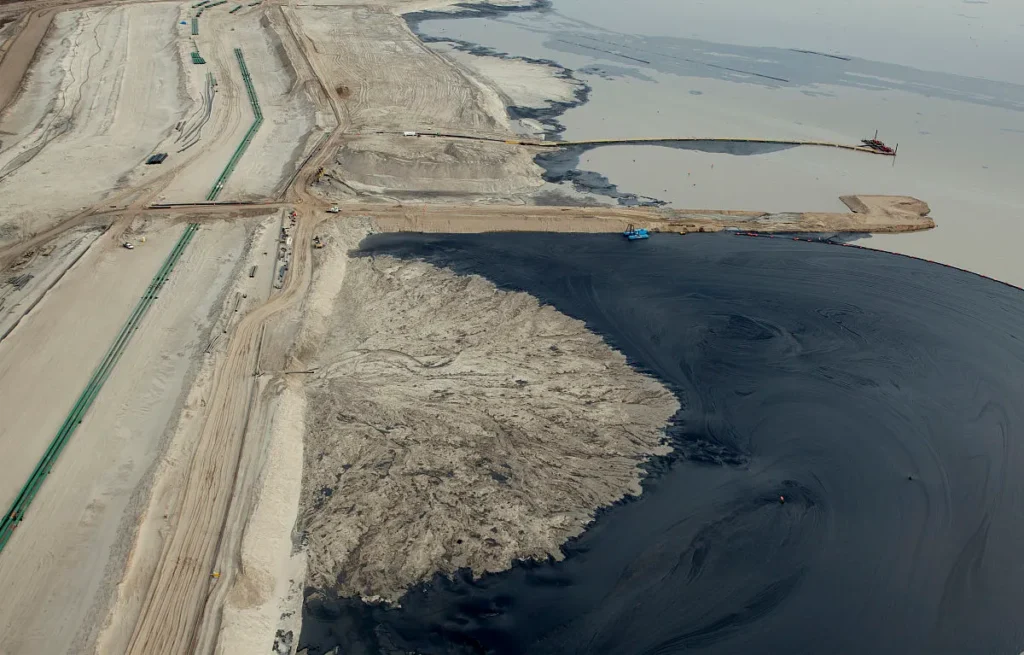
Water retained inside tailings increases the overall storage volume required within the TSF.
This means that mines can consume valuable storage capacity much faster than expected.
Improving tailings dewatering before disposal therefore becomes an effective method for reducing both water inventory and occupied storage volume.
International Investors Are Paying More Attention to Tailings Safety
Following several catastrophic tailings dam failures around the world, investors, lenders and downstream customers have significantly increased their expectations regarding tailings management.
Large copper producers operating in the DRC increasingly align with international standards for:
- dam safety
- environmental monitoring
- risk management
- ESG reporting
Although conventional slurry disposal remains common, mining companies are evaluating technologies capable of reducing water retained inside deposited tailings.
Lower water content generally contributes to:
- improved geotechnical stability
- reduced seepage
- easier water recovery
- lower environmental risk
Consequently, many mines are investigating methods to reduce the amount of water entering the TSF rather than relying solely on future dam raises.
Extending TSF Life Through Improved Tailings Dewatering
One of the most practical methods of reducing TSF expansion pressure is improving the efficiency of the tailings dewatering process.
Instead of pumping highly diluted slurry directly into the storage facility, mines can remove a significant proportion of water before final disposal.
The benefits include:
- reduced tailings volume
- lower water inventory
- increased water recovery
- slower TSF filling rate
- reduced pumping requirements
- lower long-term storage costs
Even a moderate reduction in moisture content can translate into thousands of cubic metres of additional storage capacity every year at a large copper concentrator.
Over the life of a mine, these savings become substantial.
High-Capacity Belt Filter Presses Are Emerging as a Cost-Effective Solution
Historically, many mining operations have relied on conventional belt filters or large plate filter presses for tailings filtration.
While plate filter presses can achieve very low cake moisture, they often require:
- high capital investment
- large installation areas
- complex hydraulic systems
- high maintenance requirements
- intermittent batch operation
For very large copper concentrators processing tens of thousands of tonnes of tailings per day, continuous filtration technologies are attracting growing attention.
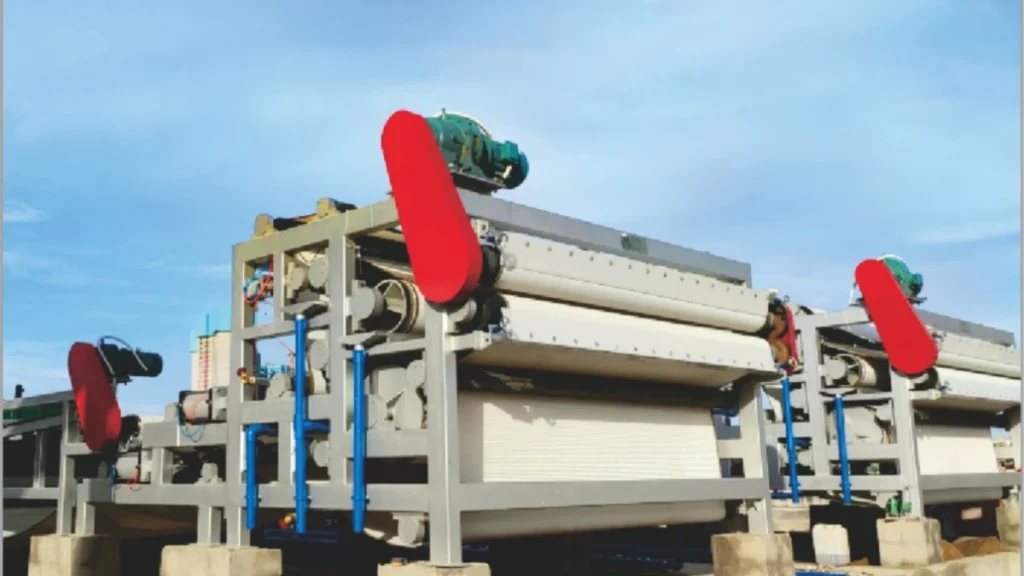
Modern high-capacity belt filter presses provide continuous operation with lower power consumption while handling large slurry volumes.
Their advantages include:
- continuous production
- simplified operation
- lower energy consumption
- reduced maintenance
- lower labour requirements
- high throughput suitable for large concentrators
These characteristics make them particularly attractive for mines seeking to reduce TSF expansion costs without dramatically increasing filtration investment.
Matching Dewatering Technology to Large Copper Operations
Large-scale copper mines require equipment capable of operating continuously under demanding conditions.
Recent developments in mining belt filter press technology have significantly improved filtration performance through:
- wider filtration belts
- longer gravity drainage zones
- optimized wedge pressing
- multi-stage roller pressing
- automatic belt washing
- intelligent tension control
Super-large dual-motor belt filter presses designed specifically for mining applications can process very high slurry volumes while maintaining stable operation.
When integrated with modern thickening systems, these machines help reduce moisture content sufficiently for many dry stacking or reduced-water tailings disposal strategies.
For operations planning future TSF expansions, this provides an opportunity to delay major capital expenditure while improving overall water management.
Looking Ahead
Copper production in the Democratic Republic of Congo is expected to continue growing for many years as global electrification accelerates.
However, increasing production must be accompanied by more efficient tailings management strategies.
Rather than relying exclusively on repeated TSF expansion, mining companies are increasingly evaluating technologies capable of reducing tailings volume before storage.
High-capacity belt filter press systems offer a practical balance between processing capacity, operating cost, water recovery and long-term TSF optimization.
As environmental expectations continue rising and mine production expands, efficient tailings dewatering will likely become an increasingly important component of sustainable copper mining across the DRC.