
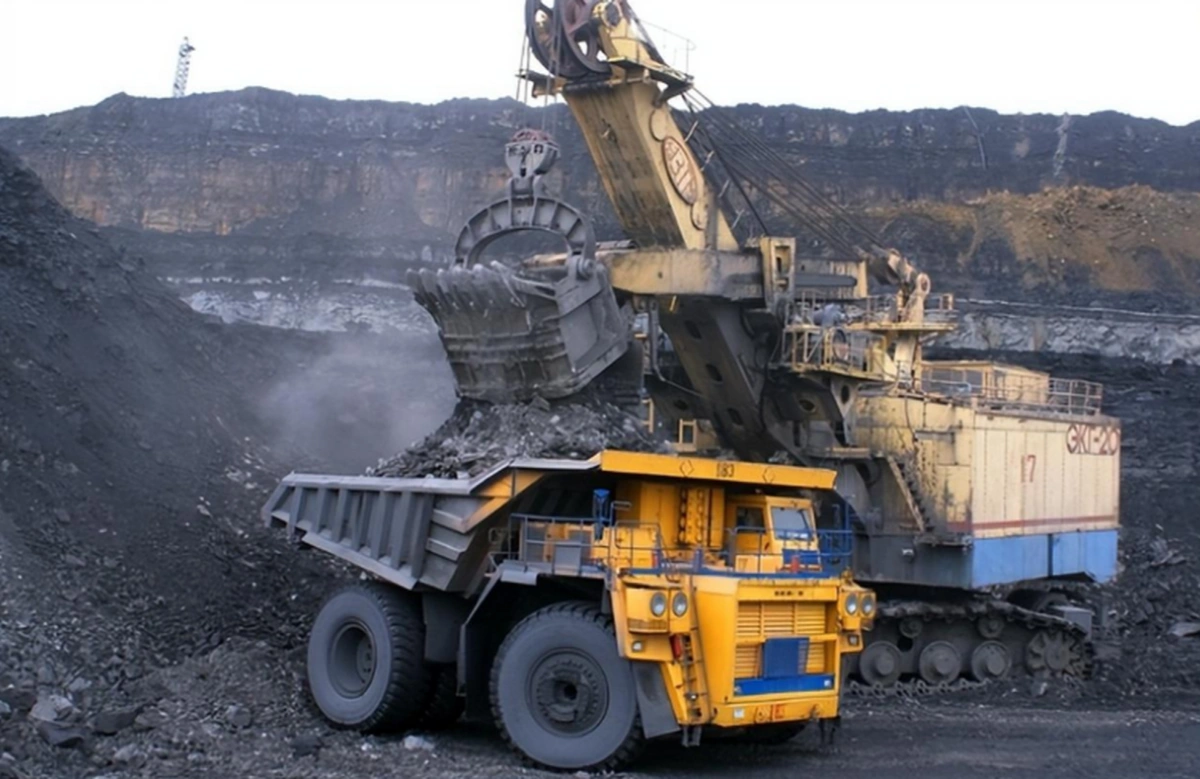
Australia is one of the world’s leading coal producers, with large-scale coal mining operations supplying both domestic and international markets. Every coal preparation plant (CHPP) generates significant volumes of fine coal slurry and flotation tailings during the washing process. Efficient coal tailings dewatering has therefore become an essential part of plant operation, affecting water recovery, operating costs, environmental compliance, and tailings storage capacity.
As mining companies continue to improve sustainability and reduce operational expenses, many engineers are re-evaluating traditional dewatering technologies. While centrifuges and pressure filter presses remain important in certain applications, a high-capacity belt filter press is increasingly recognized as an economical solution for continuous, large-volume coal slurry dewatering.
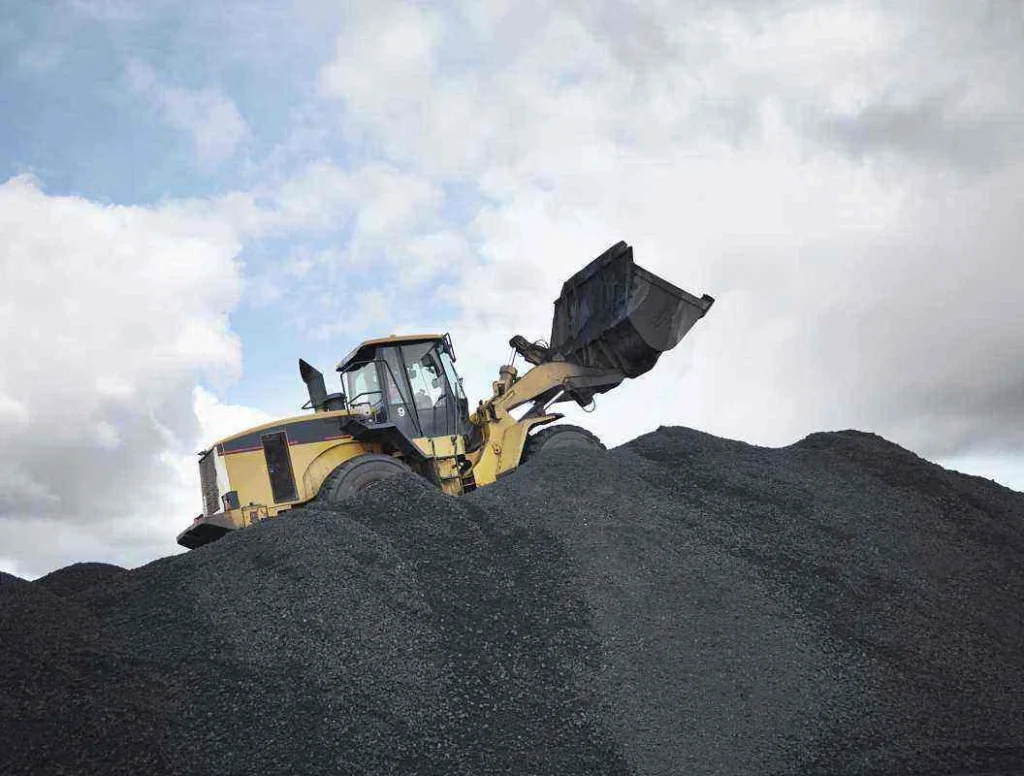
Why Coal Tailings Dewatering Matters
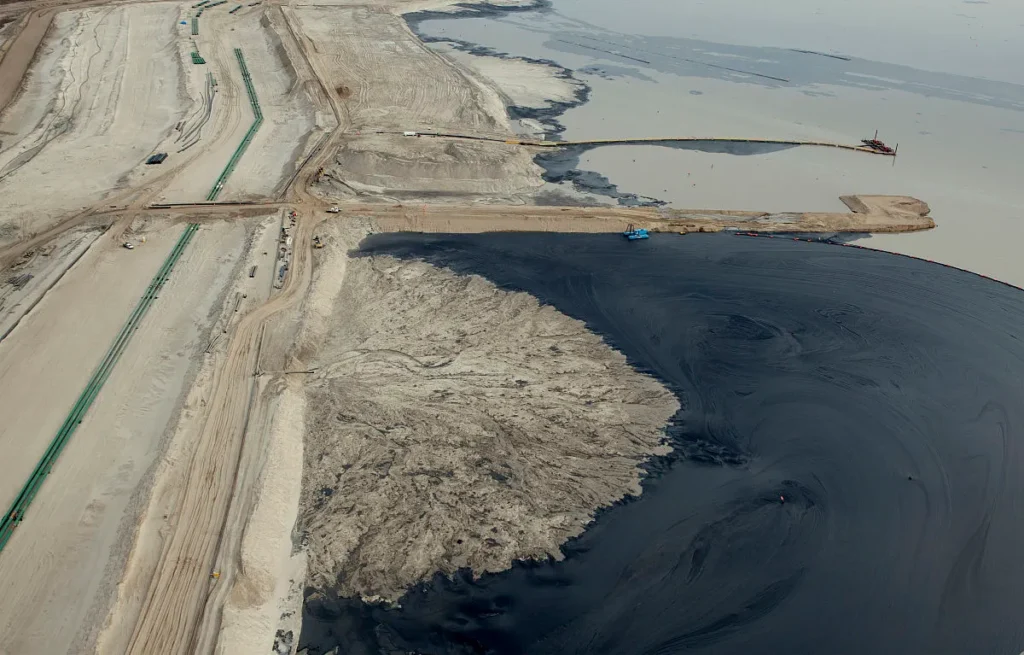
Coal washing improves product quality by removing ash and impurities. However, the process also produces large quantities of fine particles suspended in water. These coal tailings cannot simply be discharged without treatment.
Poor dewatering performance creates several challenges:
- Increased demand for tailings storage facilities (TSFs)
- Higher transportation and disposal costs
- Lower process water recovery
- Increased pumping energy
- Greater environmental management requirements
For Australian mining companies operating in regions where water resources are limited, recovering process water is becoming just as important as recovering coal itself. Efficient coal tailings dewatering not only reduces waste volume but also returns valuable water to the plant, improving overall operating efficiency.
Typical Coal Tailings Dewatering Process
Modern Australian CHPP plants typically use a multi-stage dewatering process rather than relying on a single piece of equipment.
A common process includes:
Coal Washing
↓
Thickener
↓
Polymer Dosing
↓
High-Capacity Belt Filter Press
↓
Dewatered Tailings & Recycled Water
The thickener concentrates the slurry before mechanical dewatering. The belt filter press then removes additional water through gravity drainage and progressive pressure, producing a dewatered filter cake while allowing clarified water to return to the process.
This integrated system improves water recycling and reduces the amount of slurry sent to the tailings storage facility.
Continuous Operation for High-Volume Production
Unlike batch-operated pressure filter presses, a high-capacity belt filter press operates continuously. This characteristic makes it particularly suitable for Australian coal mines, where CHPP plants often run 24 hours a day.
Continuous operation offers several advantages:
- Stable production without frequent stop-and-start cycles
- Higher hourly throughput
- Reduced operator intervention
- Consistent dewatering performance
- Better integration with upstream thickening systems
For mines processing thousands of tonnes of coal every hour, maintaining uninterrupted tailings treatment is essential for plant productivity.
Lower Energy Consumption Compared with High-Speed Equipment
Operating costs remain a major concern for every mining company.
High-speed centrifuges deliver excellent performance in certain applications but require considerable electrical power and frequent maintenance due to high rotational speeds.
A belt filter press works using gradual mechanical pressure instead of centrifugal force. As a result, it generally consumes significantly less energy while maintaining continuous production.
For large Australian coal operations, reducing energy consumption can translate into substantial annual savings, especially where multiple dewatering lines operate simultaneously.
Fine Coal Dewatering Made More Efficient
One of the greatest challenges in coal processing is fine coal dewatering.
Fine particles produced during flotation are more difficult to separate from water than coarse coal. They often require effective flocculation before entering the dewatering stage.
A high-capacity belt filter press performs particularly well when treating thickened flotation tailings. With proper polymer conditioning, the equipment can efficiently remove water while maintaining stable operation.
Although pressure filter presses can achieve lower final moisture content, many CHPP plants prioritize high processing capacity and lower operating costs over achieving the driest possible filter cake.
This makes belt filter presses an attractive option for continuous fine coal dewatering applications.
Improving Water Recovery
Water recycling is becoming increasingly important across the Australian mining industry.
Every cubic metre of water recovered from coal tailings reduces freshwater demand and lowers pumping costs.
By integrating a thickener with a coal slurry dewatering system based on a high-capacity belt filter press, mines can significantly improve water reuse within the plant.
Recovered water can be returned directly to:
- Coal washing circuits
- Flotation systems
- Dust suppression
- General plant operations
Improved water recovery not only reduces operating costs but also supports environmental sustainability objectives.
Reducing Pressure on Tailings Storage Facilities
Constructing or expanding a tailings storage facility is both expensive and time-consuming.
By removing a substantial portion of water before disposal, mines reduce the overall volume of slurry entering the TSF.
Although belt filter presses are not designed to replace pressure filters in every dry stack tailings project, they provide an excellent balance between dewatering performance, processing capacity, and operating cost.
For many Australian coal mines, this balance delivers greater economic value than simply pursuing the lowest possible moisture content.
High-Capacity Equipment Reduces Plant Complexity
As production capacity increases, many operators discover that multiple small dewatering units create unnecessary maintenance and operational complexity.
A high-capacity belt filter press designed for mining applications allows significantly more slurry to be processed using fewer machines.
For large CHPP projects, this approach offers several benefits:
- Reduced equipment quantity
- Smaller installation footprint
- Lower maintenance workload
- Simplified process control
- Lower total energy consumption per tonne processed
These advantages become particularly valuable for greenfield projects as well as plant expansion programs.
Automation for Modern Mining Operations
Australian mining companies continue to invest heavily in automation to improve safety and reduce labor costs.
Modern belt filter presses are available with intelligent control systems including:
- Automatic belt tracking
- Automatic belt tension adjustment
- Continuous belt washing
- PLC control
- Remote monitoring
- Automatic fault diagnosis
These features minimize manual intervention while improving equipment reliability and maintaining consistent dewatering performance.
For remote mine sites where skilled maintenance personnel are limited, automation contributes directly to higher equipment availability.
Choosing the Right Coal Slurry Dewatering Equipment
Selecting the most suitable coal slurry dewatering equipment depends on several factors, including particle size, slurry concentration, moisture requirements, production capacity, and operating budget.
When evaluating equipment, mining engineers should consider:
- Required throughput
- Final cake moisture
- Energy consumption
- Water recovery efficiency
- Maintenance requirements
- Automation capability
- Equipment reliability
- Total lifecycle cost
Rather than focusing only on initial purchase price, evaluating long-term operating performance often provides a more accurate picture of project economics.
A Practical Solution for Large Australian Coal Mines
For large Australian CHPP plants, equipment selection is increasingly driven by productivity and operating efficiency rather than simply achieving the lowest moisture content.
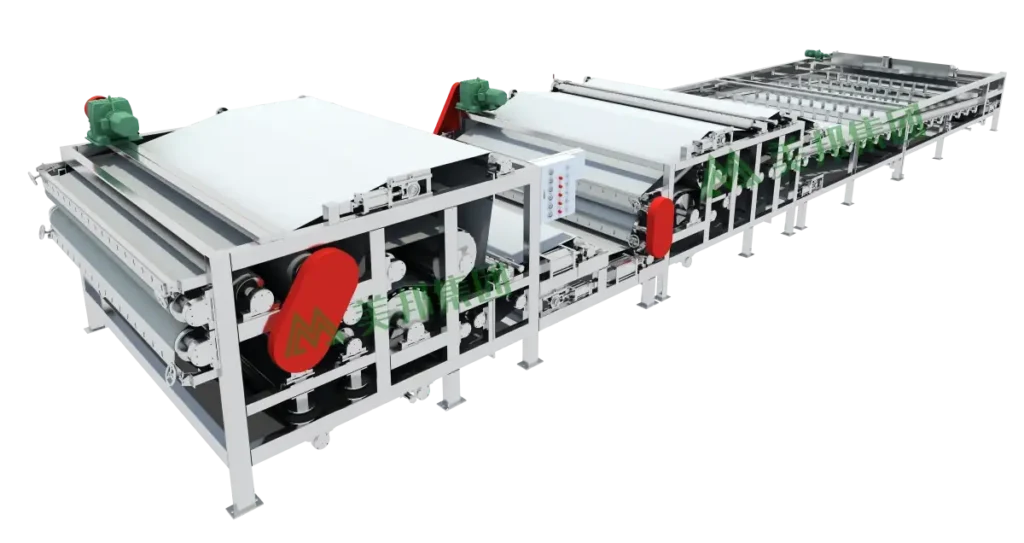
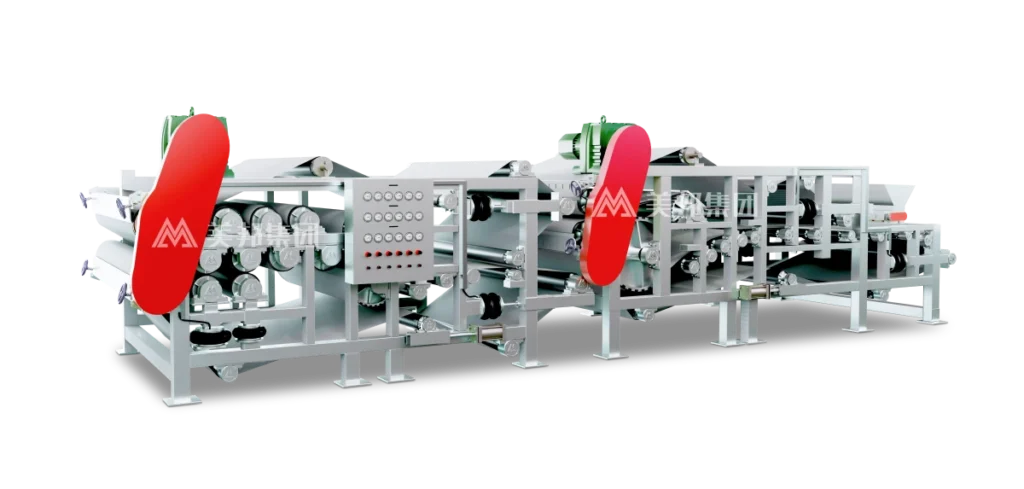
A high-capacity double-drive belt filter press is designed specifically for these demanding applications. With belt widths of up to 3.5 meters and processing capacities reaching 80 tonnes per hour, a single machine can handle substantially more slurry than conventional models. The dual-drive design ensures stable belt movement under heavy loading conditions, improves operational reliability, and helps reduce downtime.
For coal mines seeking continuous production, lower power consumption, reduced maintenance, and fewer installed machines, this type of system provides an effective solution for modern coal tailings dewatering.
Conclusion
Efficient coal tailings dewatering is becoming increasingly important as Australian coal mines pursue higher productivity, improved water recovery, and more sustainable tailings management.
While every dewatering technology has its place, a high-capacity belt filter press offers an outstanding combination of continuous operation, large processing capacity, low energy consumption, and simplified maintenance. When integrated with a thickener and water recycling system, it enables CHPP plants to reduce tailings volume, recover valuable process water, and improve overall operating efficiency.
As the Australian mining industry continues to modernize, high-capacity belt filter press solutions are expected to play an increasingly important role in the future of coal slurry dewatering and tailings management.