
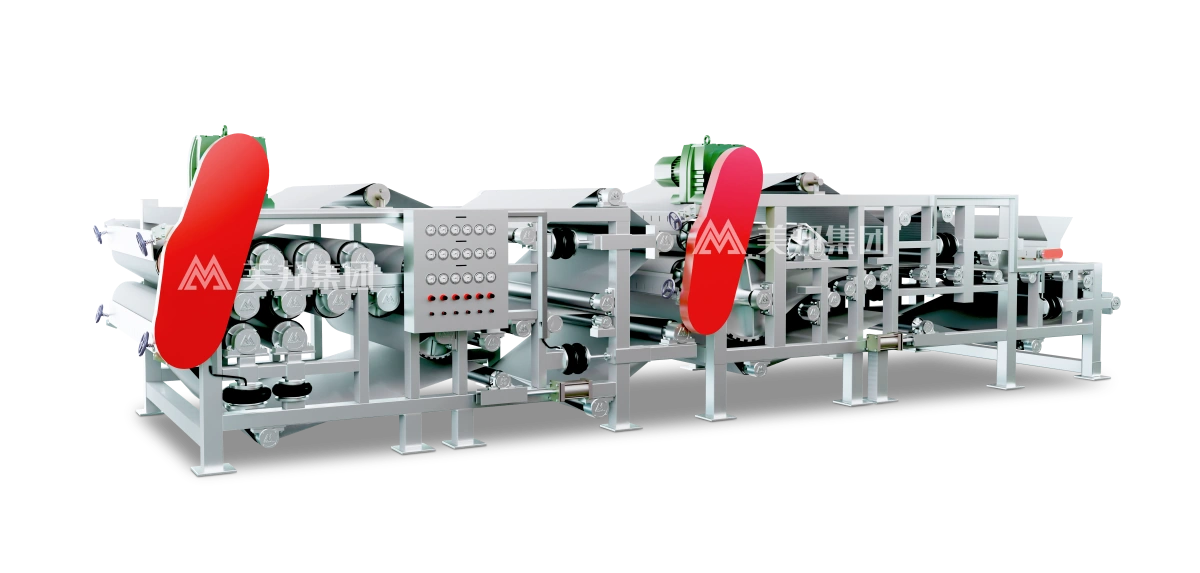
As mining operations continue to expand in scale, tailings management has become one of the most significant technical and economic challenges facing the industry. Modern copper mines, gold processing plants, iron ore operations, and mineral concentrators generate enormous volumes of tailings every day. Managing these tailings efficiently while minimizing water consumption, reducing operating costs, and maintaining environmental compliance is now a key priority for mine owners and EPCM contractors alike.
In response to these challenges, high-capacity belt filter press systems are gaining renewed attention as a practical and cost-effective solution for large mining projects. With advances in filtration technology, automation, and equipment design, modern belt filter presses are capable of handling significantly larger throughputs than earlier generations while delivering reliable dewatering performance and lower operating costs.
For mining companies seeking a balance between capital investment, operational efficiency, and sustainable tailings management, the high-capacity belt filter press is becoming an increasingly attractive option.
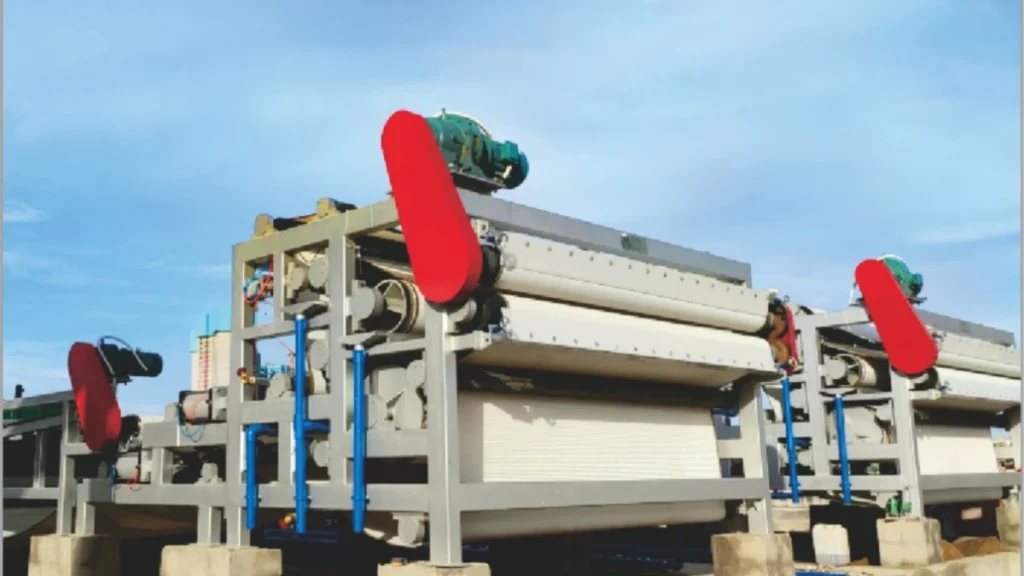
The Growing Demand for Efficient Tailings Dewatering
Mining projects around the world are processing larger volumes of lower-grade ore than ever before. As production increases, so does the volume of tailings requiring treatment and disposal.
At the same time, mining companies face increasing pressure to:
- Improve water recovery rates
- Reduce dependence on large tailings storage facilities (TSFs)
- Lower operating costs
- Meet stricter environmental regulations
- Improve ESG performance
- Reduce long-term closure liabilities
These challenges have encouraged EPCM contractors and mine operators to evaluate alternative tailings dewatering technologies that can support both operational and sustainability objectives.
Mechanical dewatering systems are now playing a more important role in modern tailings management strategies, particularly in regions where water resources are limited and tailings storage costs continue to rise.
Why Throughput Matters in Large Mining Projects
One of the most important considerations in equipment selection is processing capacity.
Large mining operations often process tens of thousands of tonnes of ore every day. As production volumes increase, dewatering equipment must be capable of handling continuously generated tailings streams without becoming a bottleneck.
Traditional filtration systems can perform well in certain applications, but some technologies become increasingly expensive and complex as throughput requirements grow.
This is where a high-capacity belt filter press offers a significant advantage.
Unlike batch-operated filtration equipment, a belt filter press operates continuously, allowing tailings slurry to be processed without interruption. Continuous operation supports stable plant performance while reducing operational complexity.
For EPCM contractors designing large mining facilities, continuous filtration can simplify plant layouts and improve overall process efficiency.
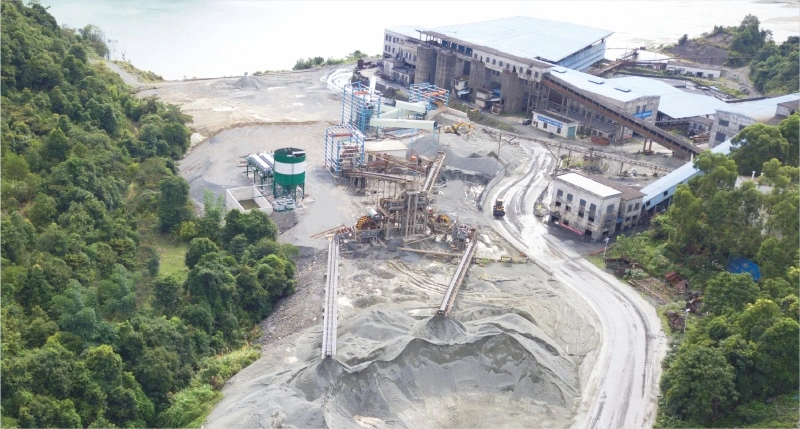
How High-Capacity Belt Filter Press Systems Work
A belt filter press removes water from slurry through a combination of gravity drainage and mechanical pressure.
The process typically includes:
- Slurry conditioning with flocculants
- Gravity drainage zone
- Wedge zone pre-compression
- Progressive roller pressure dewatering
- Final cake discharge
This multi-stage process allows solids and water to be separated efficiently while maintaining continuous throughput.
The recovered water can be returned to the process plant, helping mines reduce freshwater consumption and improve overall water management performance.
Advantages for Large-Scale Mining Operations
High Processing Capacity
Modern mining projects require equipment capable of handling substantial volumes of tailings.
Large-format belt filter presses are specifically designed for high-throughput applications, making them suitable for:
- Gold tailings dewatering
- Copper tailings management
- Iron ore tailings treatment
- Coal tailings dewatering
- Industrial mineral processing
For large concentrators, fewer units may be required to achieve target capacity, reducing installation complexity and infrastructure requirements.
Continuous Operation
Continuous operation remains one of the most important advantages of belt filter press technology.
Unlike batch filtration systems that require periodic filling, pressing, cake discharge, and cleaning cycles, belt filter presses operate continuously throughout the production process.
This can provide:
- Stable throughput
- Reduced process interruptions
- Simplified operation
- Improved plant availability
These advantages become increasingly valuable as mining project scale increases.
Lower Energy Consumption
Energy costs continue to be a major concern for mining companies, especially in remote locations where power infrastructure is limited.
Compared with some alternative dewatering technologies, belt filter press systems typically require lower specific energy consumption.
Over the life of a mining project, reduced energy requirements can contribute to significant operating cost savings.
Reduced Operating Costs
In addition to energy efficiency, modern belt filter presses are known for their relatively straightforward maintenance requirements.
Benefits include:
- Fewer complex moving components
- Lower maintenance costs
- Reduced downtime
- Simplified operator training
For mining companies operating in remote regions of Africa, Australia, South America, and Central Asia, equipment reliability is often as important as filtration performance.
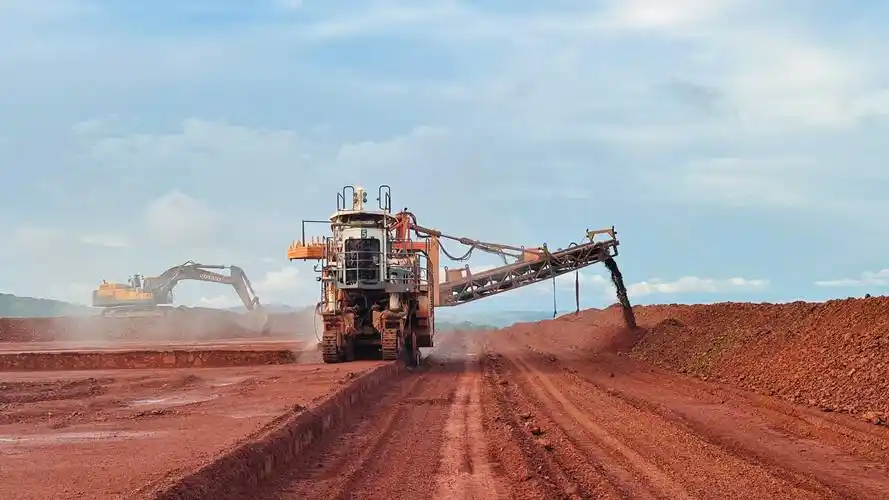
The Advantage of Double-Drive Belt Filter Press Technology
As mining projects become larger, equipment design must evolve to handle increasing throughput demands.
A new generation of double-drive belt filter press systems has emerged to address this challenge.
Compared with conventional single-drive designs, a double-drive belt filter press offers several important advantages:
Higher Throughput Capability
Dual-drive systems provide improved power distribution across the filtration process, enabling the machine to handle larger slurry volumes while maintaining stable belt movement.
This makes them particularly suitable for high-capacity mining applications.
Improved Operational Stability
Large mining operations require equipment that can operate continuously under demanding conditions.
A double-drive configuration reduces stress on individual drive components and helps maintain stable operation during periods of fluctuating feed conditions.
Better Performance for Large Equipment Sizes
As belt widths increase and machine lengths become larger, drive system requirements also increase.
Double-drive technology allows ultra-large belt filter presses to achieve the performance levels required by modern mining operations.
Supporting EPCM Plant Design Objectives
EPCM contractors are responsible for balancing technical performance, project economics, constructability, and long-term operational reliability.
When evaluating tailings dewatering solutions, engineers often focus on:
- CAPEX optimization
- OPEX reduction
- Water recovery efficiency
- Equipment reliability
- Scalability
- Environmental compliance
A high-capacity belt filter press aligns well with these objectives by providing a practical balance between performance and cost.
For many mining projects, achieving the absolute lowest moisture content may not be necessary. Instead, operators may prioritize a solution that delivers sufficient dewatering performance while minimizing capital expenditure and operating costs.
In these situations, a large belt filter press can offer an attractive alternative.
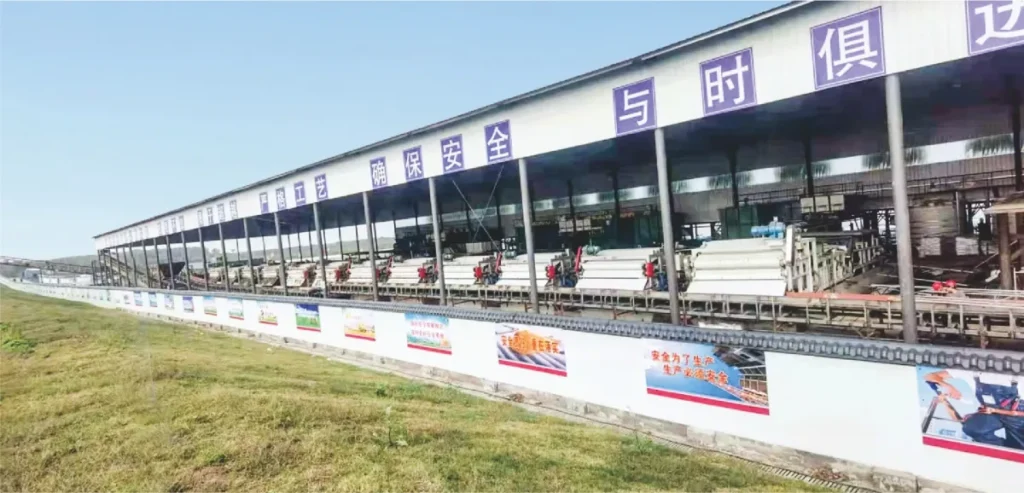
Future Trends in Tailings Management
The mining industry is moving toward more sustainable tailings management practices.
Water recovery, reduced environmental impact, and improved operational efficiency will continue to drive investment in advanced dewatering technologies.
As mining companies seek cost-effective alternatives to expanding tailings storage facilities, high-capacity belt filter press systems are expected to play an increasingly important role in future project designs.
Particularly for large mining projects processing substantial volumes of tailings, modern double-drive belt filter press technology offers a compelling combination of throughput, reliability, energy efficiency, and economic performance.
Conclusion
Selecting the right tailings dewatering technology is a critical decision for any mining project. While every operation has unique requirements, high-capacity belt filter press systems provide a proven solution for mines seeking continuous operation, high throughput, reduced energy consumption, and lower operating costs.
With the introduction of advanced double-drive designs, today’s ultra-large belt filter presses are better equipped than ever to meet the demands of modern mining operations. For EPCM contractors and mine owners looking to optimize tailings management while maintaining project profitability, the high-capacity belt filter press remains a technology worthy of serious consideration.