
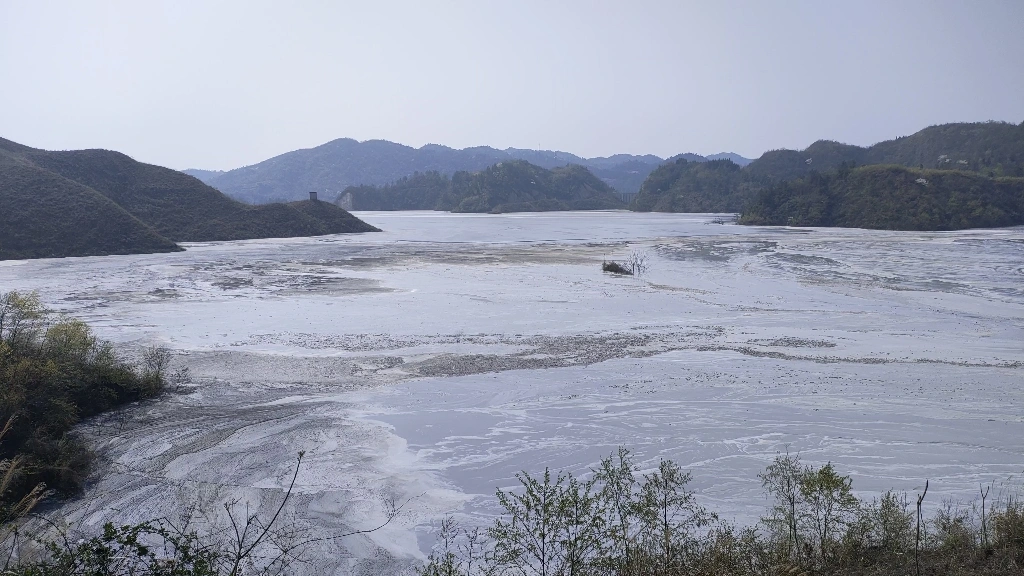
If you work in mining, you have probably heard the term “tailings” countless times. Yet outside the mining industry, few people understand what tailings are, where they come from, or why they have become one of the most important topics in modern mining.
As global demand for copper, gold, lithium, iron ore, and other minerals continues to grow, the amount of tailings generated by mining operations is also increasing. Managing these materials safely and economically has become a major challenge for mine operators worldwide.
So, what exactly are tailings?
Understanding Tailings
Tailings are the materials left over after valuable minerals have been extracted from ore.
When ore is mined from the ground, only a small percentage typically contains the target metal or mineral. The remaining material has little or no economic value after processing.
For example, a copper ore may contain only 1% copper. This means that after the copper is recovered, approximately 99% of the original material becomes waste. These leftover solids, mixed with water used during processing, are known as tailings.
In simple terms, tailings are the by-products of mineral processing.
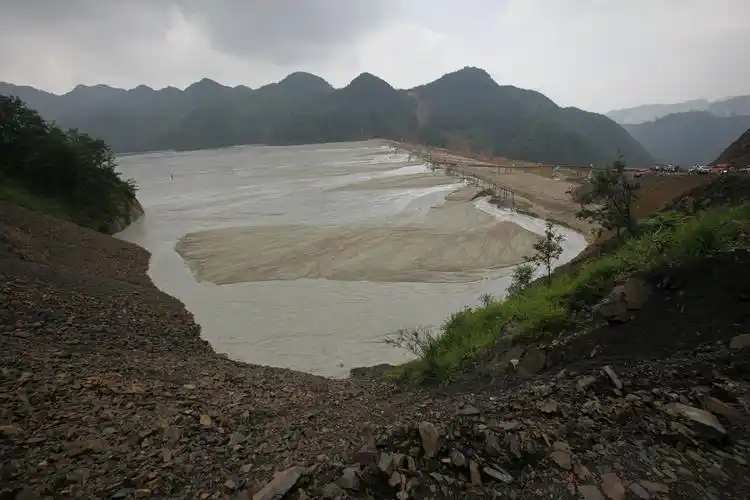
How Are Tailings Produced?
The process begins when ore is mined and transported to a processing plant.
The ore is crushed and ground into fine particles. Various separation methods such as flotation, gravity separation, magnetic separation, or leaching are then used to recover valuable minerals.
During this process, large amounts of water are added to create a slurry.
Once the valuable minerals have been removed, the remaining mixture of finely ground rock and water becomes tailings.
Depending on the mineral being processed, a mine can generate thousands or even tens of thousands of tons of tailings every day.
In many operations, tailings represent the largest waste stream produced by the mine.
What Are Tailings Made Of?
Tailings composition varies depending on the ore body and processing method.
Typically, tailings may contain:
- Fine rock particles
- Clay and silt
- Residual process water
- Trace amounts of unrecovered minerals
- Small quantities of processing reagents
Most tailings are not classified as hazardous waste, but they still require careful management because of their volume and potential environmental impact.
Some tailings may contain sulfide minerals that can generate acid mine drainage if exposed to air and water. Others may contain trace metals that require monitoring and control.
For this reason, proper tailings management is an essential part of modern mining operations.
Why Do Mines Produce So Much Tailings?
The answer lies in ore grades.
As high-grade deposits become more difficult to find, many modern mines process lower-grade ores.
For example:
- A gold mine may process ore containing only a few grams of gold per ton.
- A copper mine may process ore containing less than 1% copper.
- A lithium operation may process large volumes of ore to recover relatively small quantities of lithium concentrate.
As a result, enormous quantities of material remain after mineral recovery.
For every ton of valuable product produced, multiple tons of tailings may be generated.
This is why tailings management has become a major operational and environmental issue for the mining industry.
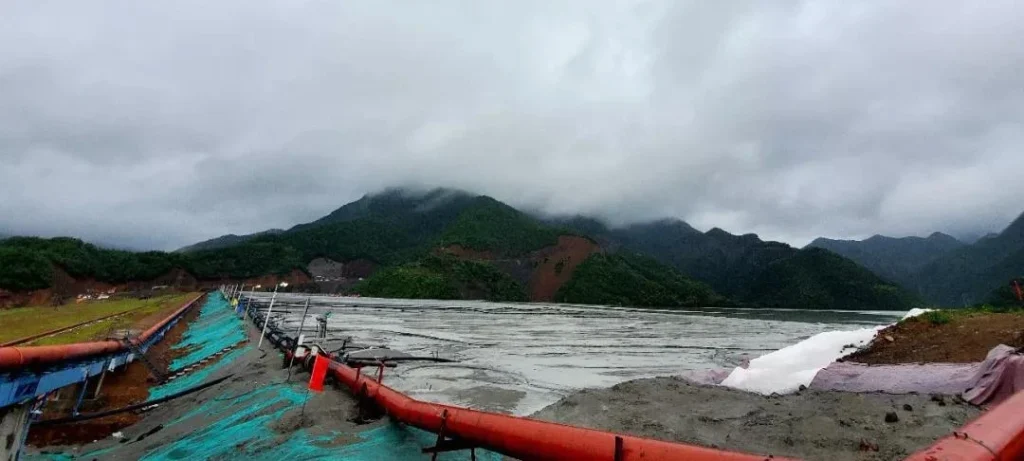
How Are Tailings Stored?
Traditionally, tailings are pumped as slurry to a Tailings Storage Facility (TSF).
A TSF is an engineered structure designed to safely store tailings while allowing water to be recovered and recycled back into the processing plant.
A typical TSF may include:
- Tailings dams
- Containment embankments
- Water recovery ponds
- Drainage systems
- Monitoring infrastructure
For decades, TSFs have been the most common method of tailings disposal worldwide.
However, as environmental expectations increase and mining projects become larger, alternative tailings management methods are gaining attention.
What Is Tailings Dewatering?
Tailings dewatering refers to the process of removing water from tailings before storage or disposal.
The goal is to reduce water content, recover process water, and decrease the volume of material entering a storage facility.
Common tailings dewatering technologies include:
- High-rate thickeners
- Belt filter presses
- Vacuum filters
- Filter presses
- Centrifuges
By removing water mechanically, mines can improve water recovery and reduce the footprint required for tailings storage.
What Is Dry Stack Tailings?
One of the fastest-growing trends in the mining industry is dry stack tailings.
In a dry stack system, tailings are mechanically dewatered before disposal. The filtered material is then transported and stacked in a controlled manner rather than being pumped into a conventional slurry pond.
Potential advantages include:
- Improved water recovery
- Reduced storage footprint
- Enhanced stability
- Lower long-term environmental risk
- Easier reclamation after mine closure
While dry stacking is not suitable for every project, it is becoming increasingly common in regions where water conservation and environmental performance are major priorities.
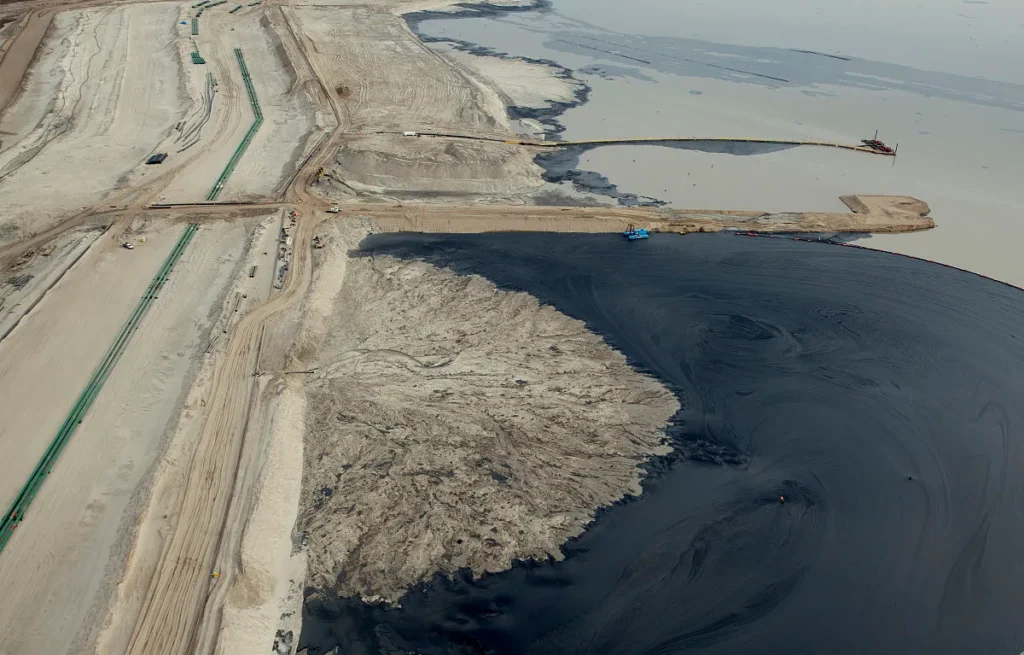
Why Tailings Management Matters
Tailings are much more than a waste product.
They influence:
- Mine operating costs
- Water management strategies
- Land requirements
- Environmental compliance
- Long-term mine sustainability
Poor tailings management can increase operational risks and create significant long-term liabilities.
Effective tailings management, on the other hand, can improve water recovery, optimize storage capacity, and support responsible mining practices.
As mining operations continue to expand globally, tailings management will remain one of the most important aspects of mine planning and operation.
Conclusion
Tailings are the leftover materials generated after valuable minerals are extracted from ore. Although they are often viewed as waste, they play a critical role in the economics, environmental performance, and long-term sustainability of mining operations.
Understanding what tailings are—and how they are managed—is essential for anyone involved in modern mining. As the industry continues to evolve, technologies such as tailings dewatering and dry stack tailings will play an increasingly important role in helping mines recover water, reduce environmental impact, and improve operational efficiency.