
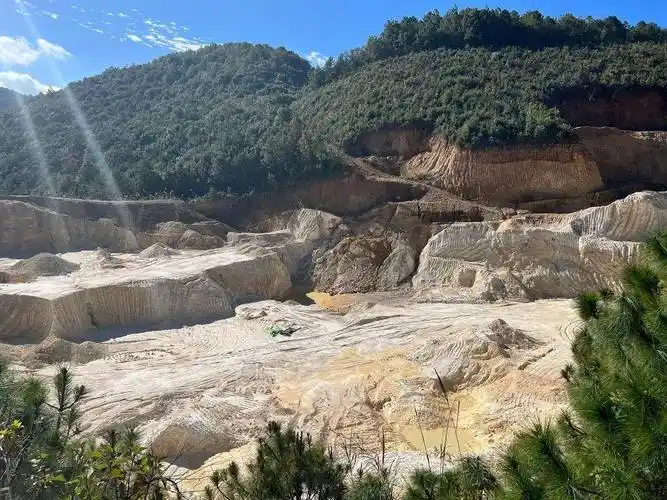
As environmental regulations become stricter and water resources become increasingly valuable, more kaolin producers are looking beyond conventional tailings ponds and exploring dry stacking solutions. For modern kaolin washing plants, effective tailings dewatering is no longer just a waste management issue—it directly affects land use, water recovery, operating costs, and long-term environmental compliance.
This article explores how kaolin washing plant tailings can be efficiently dewatered for dry stacking and why high-capacity belt filter press technology is attracting growing interest among large-scale operations.
Understanding Kaolin Washing Tailings
Kaolin processing typically involves washing, classification, and beneficiation to remove impurities and improve product quality. During this process, a significant volume of fine tailings slurry is generated.
Kaolin washing tailings usually contain:
- Fine clay particles
- Residual quartz and sand fractions
- Process water
- Flocculant residues
The slurry often has a solids concentration ranging from 5% to 20% before thickening. Without proper treatment, these tailings are commonly discharged into settling ponds or tailings storage facilities.
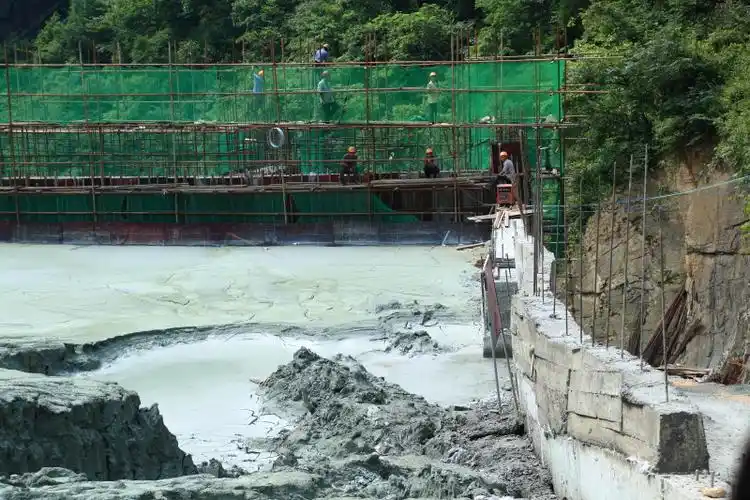
However, traditional tailings ponds create several challenges:
- Large land occupation
- High water losses through evaporation and seepage
- Long-term environmental liabilities
- Increasing permitting difficulties
As a result, many mining companies are evaluating dry stack tailings systems as a more sustainable alternative.
Why Dry Stacking Is Becoming More Popular
Dry stacking refers to mechanically dewatering tailings before disposal so that the material can be transported and stacked in a stable form.
Compared with conventional tailings ponds, dry stacking offers several advantages:
Reduced Land Requirements
Tailings ponds often require large areas and continuous expansion as production grows.
Dry stacked tailings occupy significantly less space and simplify long-term site management.
Improved Water Recovery
Water recovered during dewatering can be returned directly to the washing plant.
For mines operating in water-scarce regions, process water recycling can significantly reduce freshwater consumption and operating expenses.
Better Environmental Performance
Dry stacking minimizes the risk of tailings dam failures, seepage issues, and groundwater contamination.
Many mining companies now consider dry stacking an important component of ESG and sustainability strategies.
Challenges of Dewatering Kaolin Tailings
Although dry stacking offers clear advantages, dewatering kaolin tailings is not always straightforward.
Kaolin particles are extremely fine and possess strong water-retention characteristics.
Common challenges include:
- Slow settling rates
- High slurry viscosity
- Difficult filtration behavior
- Large volumes requiring treatment
For these reasons, an efficient dewatering system normally consists of multiple stages.
Step 1: Tailings Thickening
The first step is usually a high-rate or high-density thickener.
Flocculants are added to accelerate sedimentation and increase underflow density.
Depending on tailings characteristics, the underflow concentration can typically reach 25%–45% solids.
The thickener significantly reduces the hydraulic load on downstream dewatering equipment.
Step 2: Mechanical Dewatering
After thickening, mechanical dewatering equipment removes additional water and produces a stackable filter cake.
Common technologies include:
- Filter presses
- Vacuum filters
- Belt filter presses
For large-scale kaolin washing plants, throughput capacity becomes a critical consideration.
Belt Filter Press vs Filter Press for Kaolin Tailings
Filter presses have traditionally been used in the minerals industry because they can achieve relatively low cake moisture.
However, as kaolin operations become larger, some producers are finding limitations associated with conventional filter press systems.
These may include:
- Batch operation
- Large numbers of filter plates
- Higher maintenance requirements
- Greater labor involvement
- Capacity constraints for very large projects
In contrast, a belt filter press operates continuously.
Key advantages include:
- Continuous dewatering process
- High throughput capability
- Lower operating costs
- Reduced labor requirements
- Simpler maintenance
For tailings disposal applications where the primary goal is volume reduction and water recovery rather than achieving the absolute lowest moisture content, a belt filter press can offer significant economic advantages.
The Growing Demand for High-Capacity Dewatering Systems
Many modern kaolin washing plants process thousands of tons of ore every day.
As production scales increase, tailings management systems must keep pace.
A common challenge is that multiple small dewatering units increase:
- Equipment footprint
- Installation costs
- Maintenance complexity
- Spare parts inventory
For large operations, high-capacity equipment can often provide a more efficient solution.
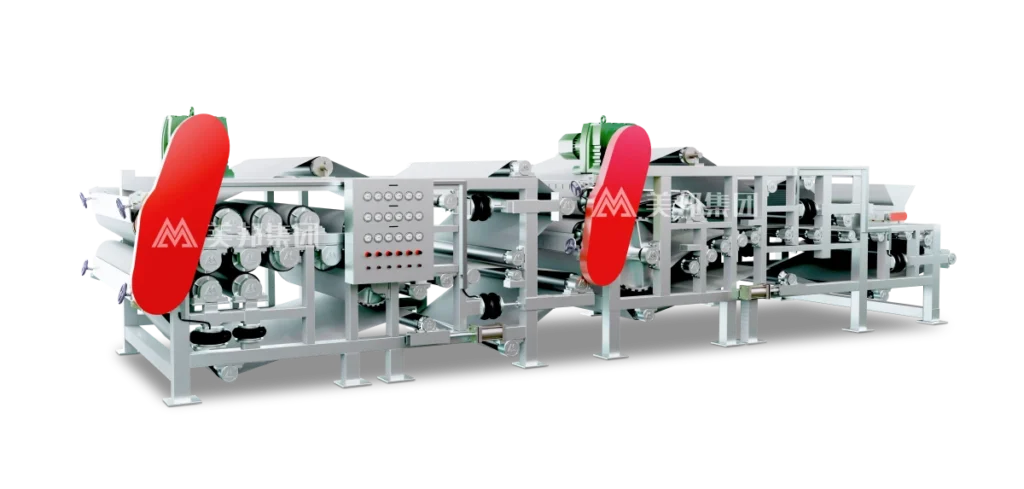
This is where ultra-large dual-motor belt filter presses are gaining attention.
Why Dual-Motor Large Belt Filter Presses Are Suitable for Kaolin Tailings
Compared with conventional belt presses, dual-motor designs offer several important benefits.
Higher Throughput
Large-format machines with extra-wide belts can handle substantially higher slurry volumes.
For high-output kaolin washing plants, this means fewer machines are required to achieve production targets.
Improved Dewatering Performance
The dual-motor configuration enables more stable belt operation and more effective pressure distribution across the filtration zone.
This helps improve cake consistency and overall system reliability.
Reduced Energy Consumption
Modern dual-motor systems optimize power distribution and mechanical efficiency.
When compared on a per-ton basis, energy consumption can be significantly reduced.
Continuous 24-Hour Operation
Unlike batch-operated equipment, large belt filter presses are designed for continuous production environments.
This is particularly important for mines operating around the clock.
Lower Total Cost of Ownership
By combining large processing capacity, automated operation, and simplified maintenance, a dual-motor belt filter press can reduce overall tailings handling costs throughout the life of the project.
Selecting the Right Dewatering Solution
Every kaolin deposit has unique characteristics.
When evaluating a dewatering system, mining companies should consider:
- Tailings particle size distribution
- Clay content
- Target moisture content
- Daily throughput requirements
- Water recovery objectives
- Available installation space
- Capital and operating costs
Pilot testing is strongly recommended before selecting equipment.
A properly designed dewatering system should balance filtration performance, operating efficiency, and long-term economic returns.
Conclusion
As environmental requirements tighten and water conservation becomes increasingly important, dry stack tailings management is emerging as a preferred solution for many kaolin washing plants.
Successful dry stacking begins with effective tailings dewatering. While filter presses remain an option for certain applications, high-capacity belt filter presses are becoming increasingly attractive for large-scale operations seeking continuous processing, lower operating costs, and improved water recovery.
For modern kaolin producers handling substantial tailings volumes, ultra-large dual-motor belt filter presses provide a practical and cost-effective pathway toward efficient dry stacking, reduced environmental impact, and sustainable mine operation.