
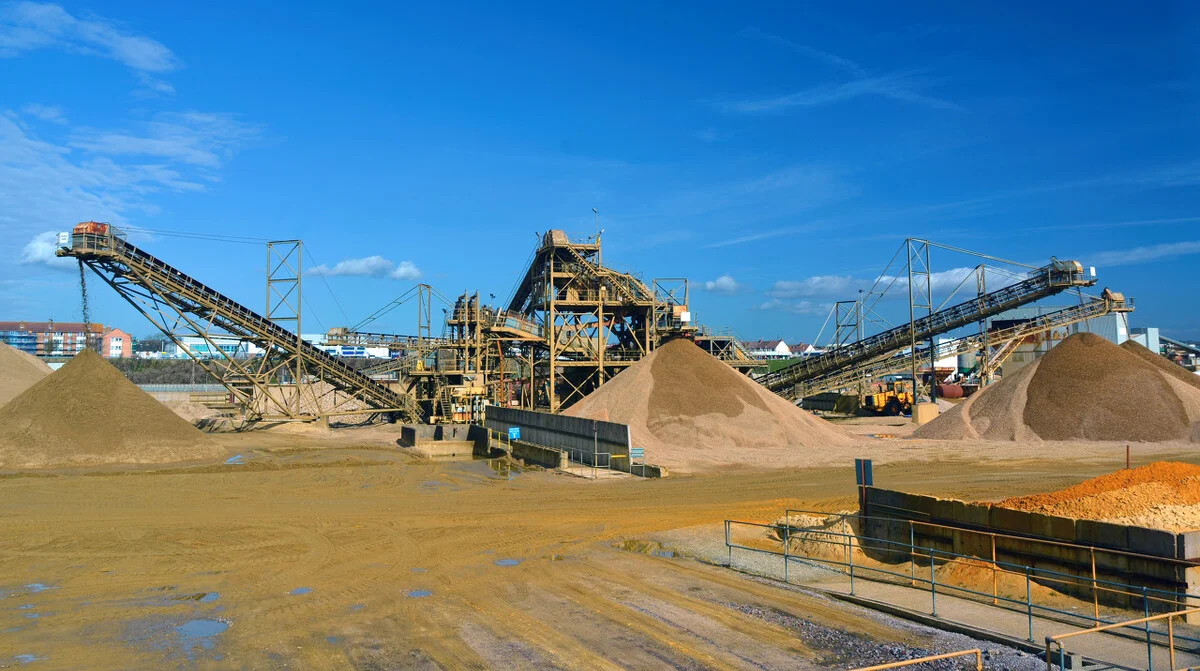
Water management has become one of the biggest challenges facing modern sand washing plants. As environmental regulations become stricter and water resources become increasingly expensive, operators are under pressure to reduce wastewater discharge, recover process water, and minimize tailings storage requirements.
Traditionally, many sand washing facilities relied on large settling ponds to handle wastewater and fine tailings. While settling ponds remain common in some regions, they require significant land area, offer limited water recovery efficiency, and create long-term maintenance challenges. As a result, more operators are turning to mechanical dewatering technologies to improve efficiency and reduce operating costs.
This article explains how sand washing tailings can be dewatered efficiently and how modern belt filter press systems help recover valuable process water while reducing environmental impact.
Understanding Sand Washing Tailings
During the sand washing process, large volumes of water are used to remove clay, silt, and fine particles from raw aggregates. The resulting slurry typically contains:
- Fine sand particles
- Clay and silt
- Suspended solids
- Process water
If not properly treated, this slurry can quickly accumulate in settling ponds and create disposal challenges.
For many sand producers, the objective is no longer simply storing tailings. Instead, they aim to:
- Recover reusable water
- Reduce tailings volume
- Lower disposal costs
- Minimize environmental risks
- Improve plant efficiency
These goals require an effective sand washing tailings dewatering system.
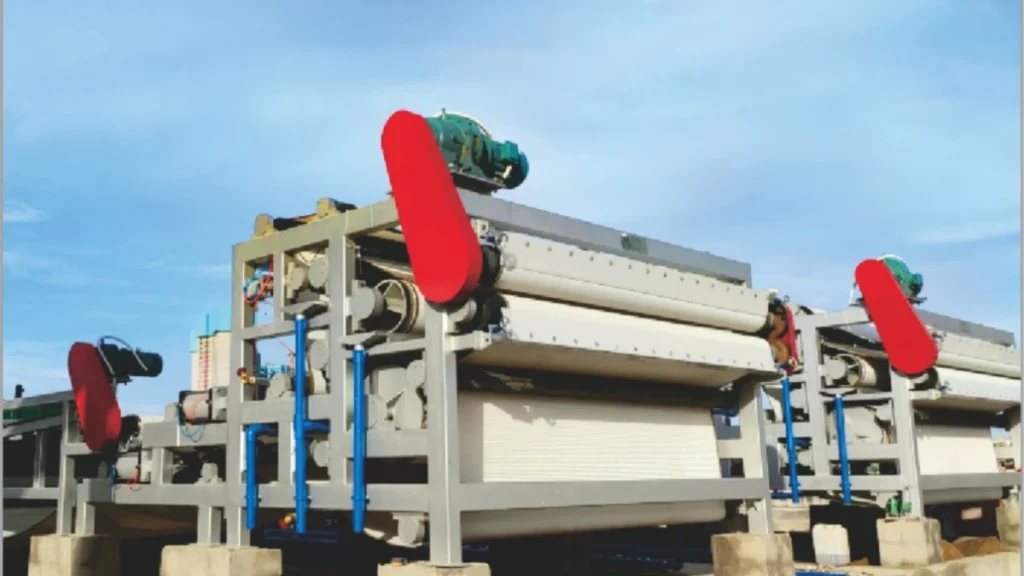
Why Traditional Settling Ponds Are Becoming Less Effective
Settling ponds have been used for decades because of their simplicity. However, they present several disadvantages for modern operations.
Large Land Requirements
A growing sand washing operation may require multiple ponds covering large areas of land. In many regions, land acquisition costs continue to increase, making pond expansion expensive.
Limited Water Recovery
Natural sedimentation is often slow. Fine particles can remain suspended for long periods, reducing water clarity and limiting the amount of water that can be recycled back into production.
Sludge Accumulation
Over time, sludge builds up at the bottom of settling ponds. Periodic dredging becomes necessary, creating additional operational costs and downtime.
Environmental Compliance Challenges
Many environmental authorities are implementing stricter regulations regarding wastewater discharge, pond safety, and tailings management.
Because of these challenges, operators are increasingly investing in mechanical dewatering equipment.
The Importance of Process Water Recovery
Water is a critical operating resource for every sand washing plant.
In regions such as Australia, the Middle East, Africa, and parts of North America, water availability directly affects production costs and plant sustainability.
A modern sand washing water recycling system can dramatically reduce freshwater consumption by returning recovered water to the washing circuit.
The benefits include:
- Lower water purchase costs
- Reduced environmental impact
- Improved regulatory compliance
- Increased operational sustainability
Efficient water recovery has become one of the primary reasons for adopting mechanical dewatering technologies.
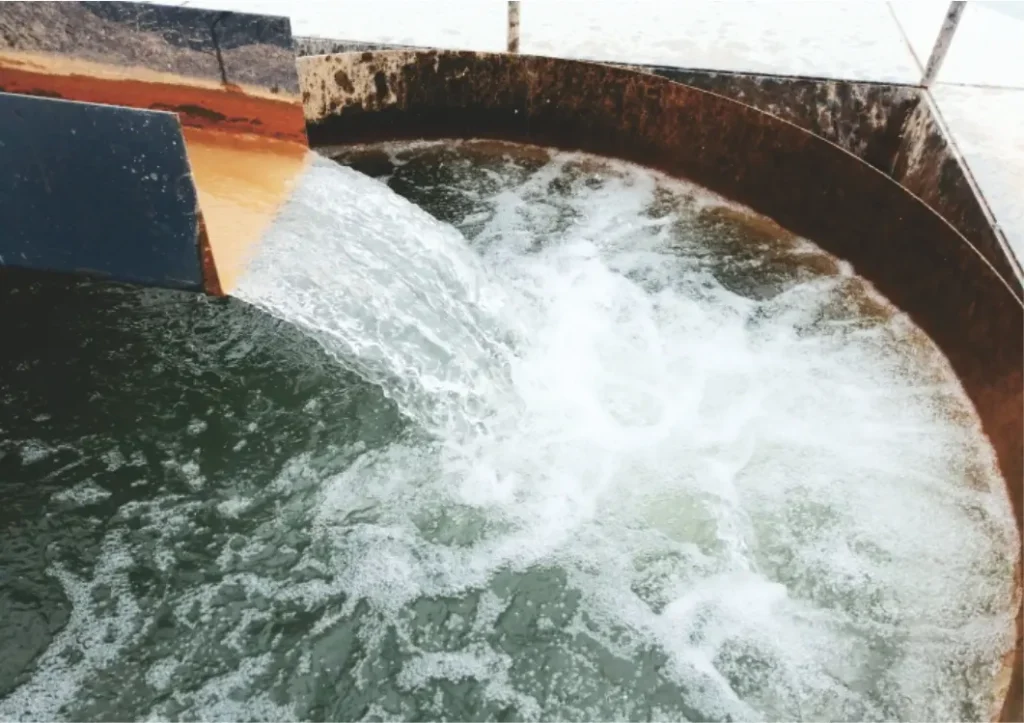
How Belt Filter Presses Dewater Sand Washing Tailings
A belt filter press for sand washing plants is designed to continuously separate solids from water.
The process generally includes several stages:
Flocculation
A polymer is added to the slurry to bind fine particles together into larger flocs.
Gravity Drainage
The conditioned slurry enters the gravity drainage zone, where free water is removed before mechanical pressure is applied.
Progressive Compression
The material passes through a series of rollers that gradually increase pressure and remove additional moisture.
Cake Discharge
Dewatered solids are discharged continuously, while the recovered water is collected for reuse.
This continuous process enables stable operation and high throughput, making belt filter presses particularly suitable for large sand washing facilities.
Advantages of Belt Filter Presses for Sand Washing Tailings
Continuous Operation
Unlike batch-operated filter presses, belt filter presses run continuously throughout the production cycle.
This makes them ideal for high-capacity aggregate and sand washing plants.
High Water Recovery
A properly designed system can recover a substantial percentage of process water, reducing the need for freshwater intake.
Reduced Tailings Volume
Mechanical dewatering significantly reduces the volume of material requiring storage or disposal.
Smaller Footprint
Compared with large settling ponds, a belt filter press system occupies far less space.
Lower Labor Requirements
Modern automated systems require minimal operator intervention, helping reduce labor costs.
Why Large Sand Washing Plants Need High-Capacity Dewatering Equipment
As production volumes increase, many conventional dewatering systems struggle to keep pace with the amount of slurry generated.
Large aggregate producers often process thousands of tons of material per day. Under these conditions, equipment capacity becomes a critical factor.
Choosing undersized equipment can result in:
- Production bottlenecks
- Excessive pond accumulation
- Reduced water recovery
- Increased operating costs
For large-scale operations, high-capacity equipment is essential.
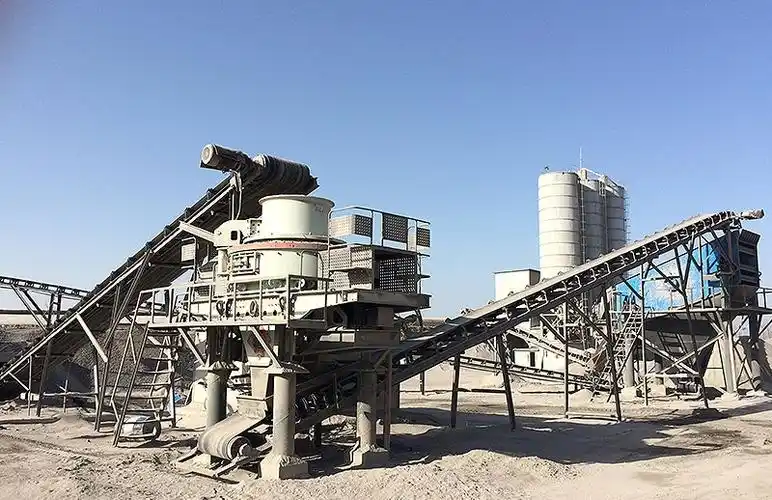
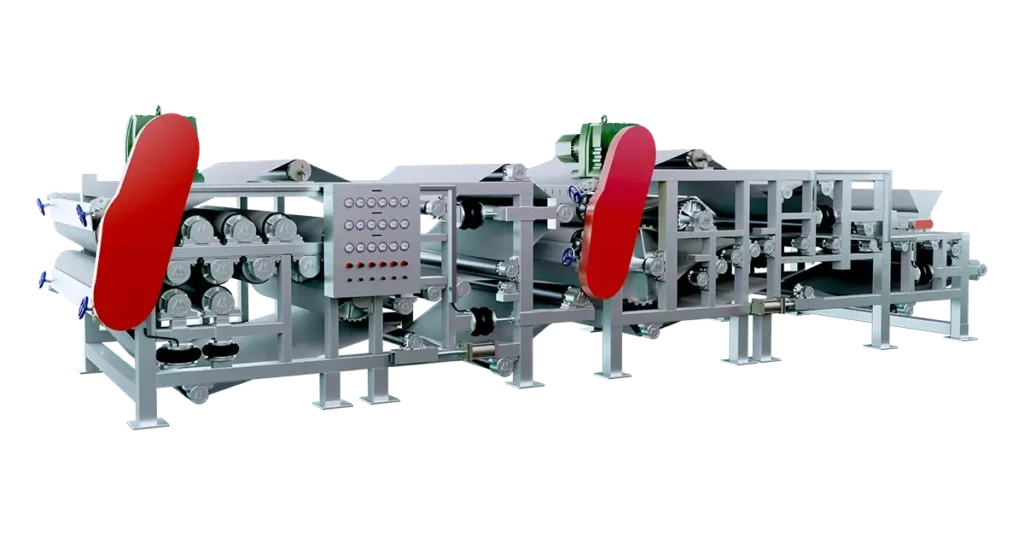
Meibang Ultra-Large Mining Belt Filter Press
To meet the demands of large sand washing plants and mining operations, Meibang has developed an ultra-large dual-motor mining belt filter press.
The equipment is specifically designed for:
- Sand washing tailings dewatering
- Silica sand processing
- Aggregate washing wastewater treatment
- Mining tailings dewatering
- Coal slurry treatment
- Kaolin washing tailings
Exceptional Processing Capacity
The machine features:
- Equipment length up to 18 meters
- Belt width up to 3.5 meters
- Slurry treatment capacity up to 80 m³/h
This allows operators to process large volumes of tailings with fewer machines and lower infrastructure costs.
Dual-Motor Drive Design
The advanced dual-motor system provides:
- Stable operation
- Improved power distribution
- Enhanced reliability
- Better performance under heavy loads
These advantages are particularly important for continuous industrial applications.
Optimized Dewatering Performance
The multi-stage pressing structure improves solid-liquid separation efficiency and helps achieve lower cake moisture content than conventional belt press designs.
Lower moisture means:
- Easier transportation
- Lower disposal costs
- Improved tailings handling efficiency
Energy-Efficient Operation
Compared with many alternative dewatering technologies, large belt filter presses offer continuous operation with relatively low energy consumption, helping reduce long-term operating expenses.
Building an Efficient Sand Washing Water Recycling System
An effective water recycling system typically includes:
- Thickener or clarifier
- Polymer dosing system
- Belt filter press
- Recovered water storage tank
- Water return pipeline
This integrated approach allows operators to maximize water recovery while minimizing tailings disposal requirements.
Conclusion
As environmental standards tighten and water resources become increasingly valuable, traditional settling ponds are no longer the most efficient solution for many sand washing plants.
Modern sand washing tailings dewatering systems provide higher water recovery rates, reduce land requirements, and simplify tailings management. Among available technologies, large-capacity belt filter presses have become an increasingly popular choice due to their continuous operation, lower operating costs, and ability to handle large slurry volumes.
For operators seeking an efficient sand washing water recycling system, Meibang’s ultra-large dual-motor mining belt filter press delivers the capacity, reliability, and performance required for modern sand washing operations.