
Introduction: The Growing Importance of Tailings Management in African Mining
Africa has some of the world’s most important mineral resources, including copper, cobalt, gold, iron ore, lithium, and other critical minerals. With increasing global demand for these resources, mining companies across the continent are expanding production capacity and developing new projects.
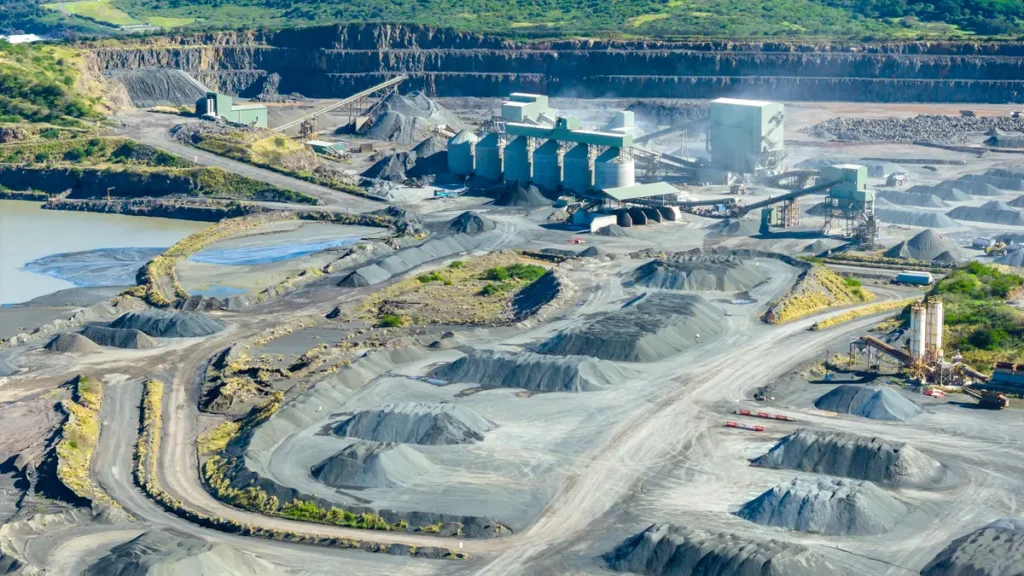
However, higher mineral production also means a significant increase in tailings generation. For many African mining operations, traditional wet tailings storage facilities (TSFs) are facing growing challenges, including limited storage capacity, water management pressure, environmental risks, and rising construction costs.
As a result, mining companies are increasingly looking for more sustainable tailings management solutions. Filtered tailings and dry stacking technologies are gaining attention because they can reduce dependence on large conventional tailings dams, improve water recovery, and enhance long-term operational safety.
For EPCM (Engineering, Procurement, and Construction Management) companies involved in African mining projects, selecting the right tailings dewatering technology has become a critical part of project design. High-capacity belt filter presses are emerging as an effective solution for large-scale mining applications, especially where continuous operation, high throughput, and cost efficiency are required.
The Role of EPCM Companies in Tailings Dewatering Projects
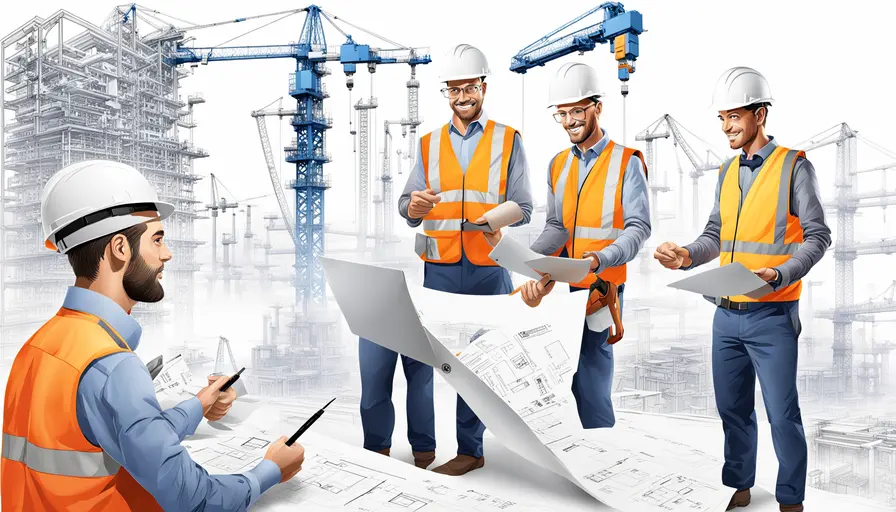
In modern mining projects, EPCM companies play a key role in transforming a mining company’s production goals into a practical engineering solution.
Unlike equipment suppliers that focus on individual machines, EPCM contractors are responsible for integrating the complete process, including:
- Process design
- Equipment selection
- Plant layout
- Procurement management
- Construction coordination
- Commissioning support
For tailings management projects, EPCM engineers must evaluate multiple factors before selecting a dewatering technology:
- Tailings characteristics
- Required processing capacity
- Final cake moisture
- Water recovery requirements
- Available site conditions
- Capital and operating costs
A successful tailings dewatering system is not only about choosing a machine. It requires matching the equipment capability with the overall mining process.
This is why EPCM companies increasingly seek reliable technology partners that can provide both equipment and engineering support.
Why High-Capacity Belt Filter Press Technology Is Attractive for African Mines
Many African mining operations face similar challenges:
1. Increasing pressure on tailings storage facilities
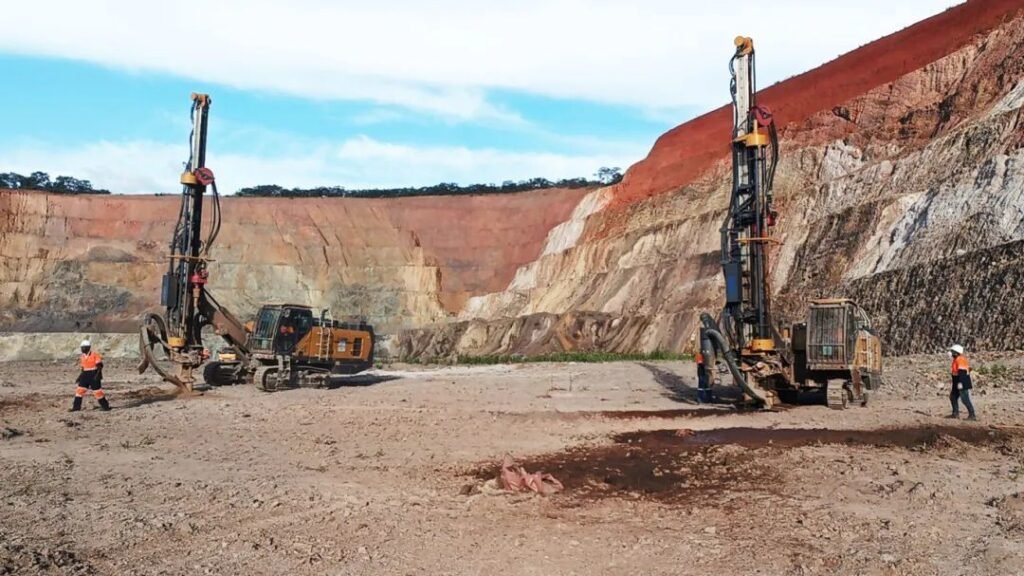
Copper and cobalt mines in Central Africa, gold mines in West Africa, and other mineral projects are producing larger volumes of tailings every year.
Expanding traditional tailings storage facilities requires:
- Additional land
- More construction investment
- Long approval processes
- Higher environmental management costs
A high-capacity belt filter press can help reduce the amount of water contained in tailings before disposal, creating filtered tailings that are easier to handle and stack.
2. Water recovery is becoming increasingly important
Water availability is a major concern for many African mining regions.
Traditional wet tailings systems store large quantities of water inside TSFs, resulting in:
- Water losses through evaporation
- Higher dam management requirements
- Increased operational risks
Filtered tailings technology allows a significant portion of process water to be recovered and returned to the mining operation.
For mining companies, this means:
- Reduced freshwater demand
- Lower water treatment costs
- Improved environmental performance
3. Large mines require continuous high-throughput equipment
One challenge with tailings dewatering is that mining operations generate enormous quantities of material.
Small laboratory-scale or low-capacity equipment cannot meet the requirements of large copper, iron ore, or gold projects.
This is where high-capacity belt filter presses provide advantages.
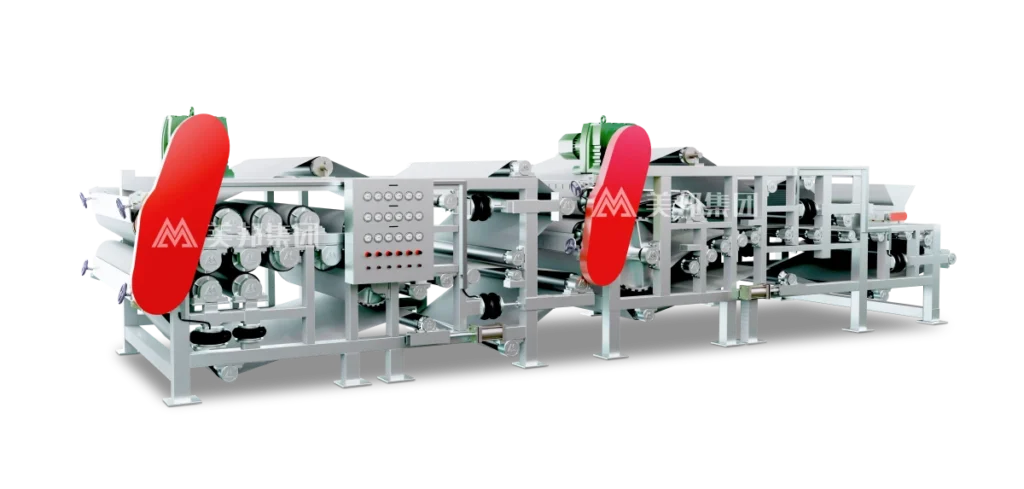
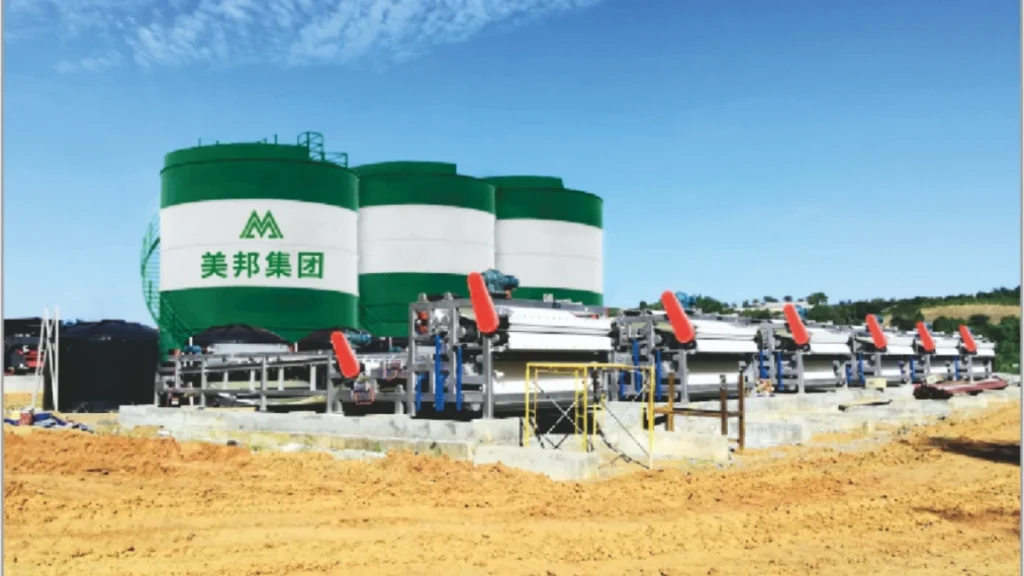
Modern large-scale belt filter press systems are designed for:
- Continuous 24/7 operation
- Large processing volumes
- Stable performance
- Lower energy consumption compared with some batch dewatering technologies
For example, super-large belt filter presses with wide filter belts can process large quantities of tailings continuously, making them suitable for medium and large mining operations.
How EPCM Companies Can Integrate Belt Filter Press into Mining Projects
The successful application of a belt filter press requires careful engineering consideration.
1. Process evaluation and laboratory testing
Before equipment selection, EPCM engineers normally evaluate:
- Tailings particle size distribution
- Mineral composition
- Feed concentration
- Settling characteristics
- Target moisture content
Different tailings behave differently.
Copper tailings, gold tailings, lithium tailings, and iron ore tailings may require different process configurations.
A reliable supplier should provide testing data and technical recommendations to support the EPCM design process.
2. Integration with existing mineral processing systems
A belt filter press is usually part of a complete tailings management system rather than a standalone machine.
A typical process may include:
Mineral Processing Plant
↓
Thickener
↓
Tailings Dewatering System
↓
High-Capacity Belt Filter Press
↓
Filtered Tailings Dry Stack
The EPCM contractor must consider:
- Pumping requirements
- Feed consistency
- Material handling
- Conveyor design
- Stockpile management
Proper integration determines the overall efficiency of the system.
3. Selecting a reliable equipment partner
For EPCM companies, equipment supplier selection is one of the most important decisions.
Key evaluation factors include:
Engineering capability
The supplier should understand mining applications rather than only manufacturing equipment.
Important capabilities include:
- Process support
- Technical drawings
- Equipment customization
- Project documentation
Manufacturing capacity
Large mining projects require suppliers capable of producing heavy-duty industrial equipment.
For high-capacity belt filter presses, manufacturing capability directly affects:
- Equipment reliability
- Delivery schedule
- Long-term operation
Overseas project experience
Mining projects in Africa often involve challenging conditions:
- Remote locations
- Limited infrastructure
- Harsh environments
Suppliers should provide:
- Installation guidance
- Commissioning support
- Spare parts supply
- Technical communication
The Opportunity for EPCM and Chinese Mining Equipment Partnerships
African mining projects are increasingly looking for solutions that balance technical performance and project economics.
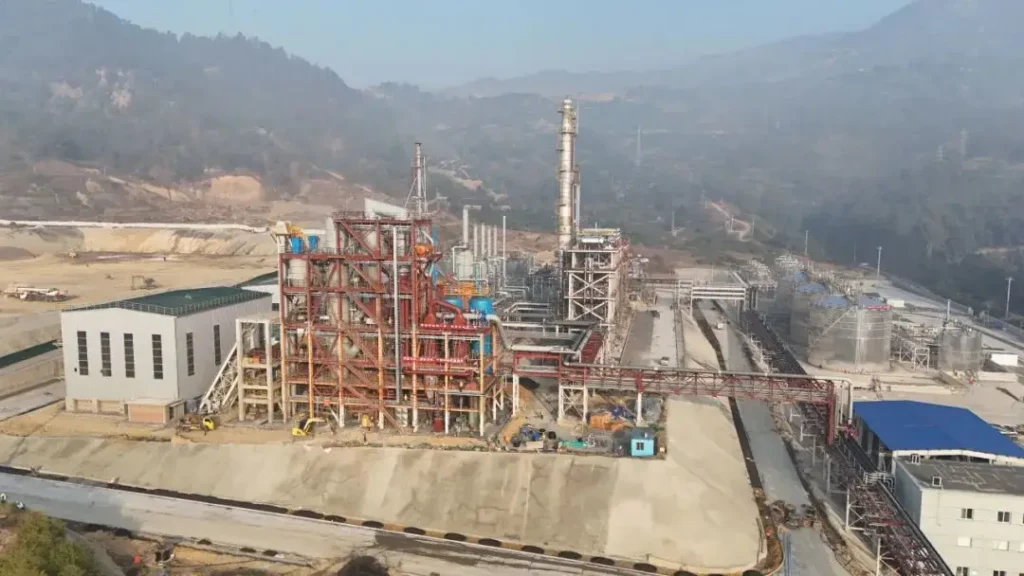
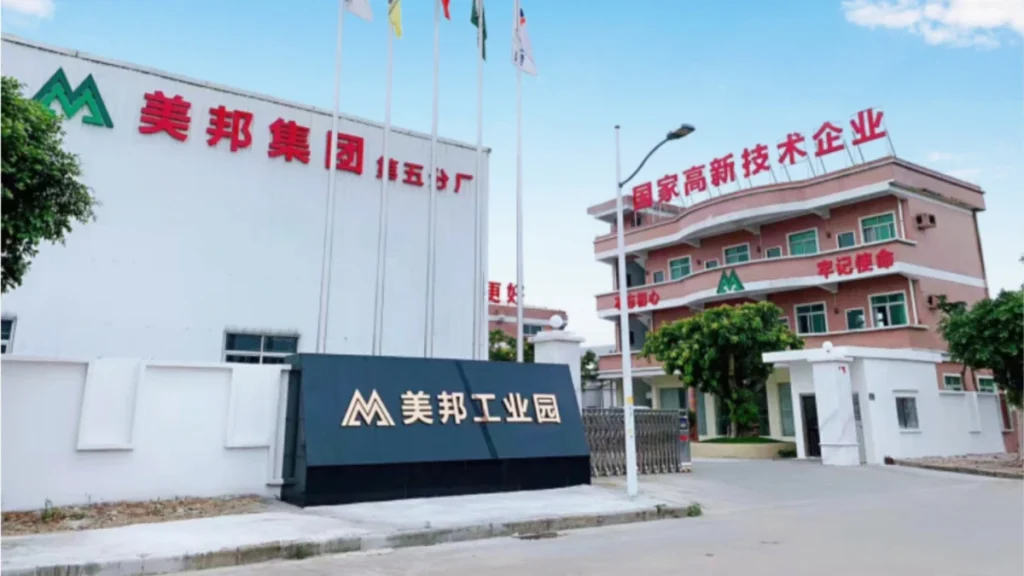
Traditionally, many large mining equipment systems have relied on European or North American suppliers. However, Chinese mining equipment manufacturers have developed significant capabilities in large-scale industrial equipment manufacturing.
For EPCM companies, cooperation with experienced Chinese suppliers can provide:
- Competitive project costs
- Flexible engineering solutions
- Large equipment manufacturing capacity
- Faster project response
A successful partnership model is not simply about supplying equipment. It combines:
- EPCM engineering expertise
- Local African project experience
- Advanced manufacturing capability
This approach can help deliver more competitive tailings management solutions for African mining projects.
Supporting Sustainable Mining Development in Africa
The future of African mining will require higher production efficiency together with stronger environmental responsibility.
Tailings management is becoming one of the most important areas for mining companies, governments, and engineering contractors.
High-capacity belt filter press technology provides a practical pathway toward:
- Reduced TSF expansion requirements
- Improved water recovery
- Lower environmental risks
- More sustainable mining operations
For EPCM companies, integrating reliable tailings dewatering technology into project design can create significant value for mining clients.
By working with experienced technology partners, EPCM contractors can develop safer, more efficient, and more sustainable mining solutions across Africa.
Conclusion
As African mining continues to expand, tailings management will become an increasingly important engineering challenge. EPCM companies are positioned at the center of this transformation because they determine the technical solutions that shape future mining projects.
High-capacity belt filter presses offer EPCM contractors an effective option for large-scale tailings dewatering, particularly for copper, cobalt, gold, lithium, and iron ore projects.
By combining EPCM expertise with advanced mining dewatering equipment suppliers, African mining projects can move toward more efficient water management, reduced tailings storage pressure, and more sustainable long-term operations.