3.5m Cost-Effective Belt Filter Press for Coal Slurry Dewatering
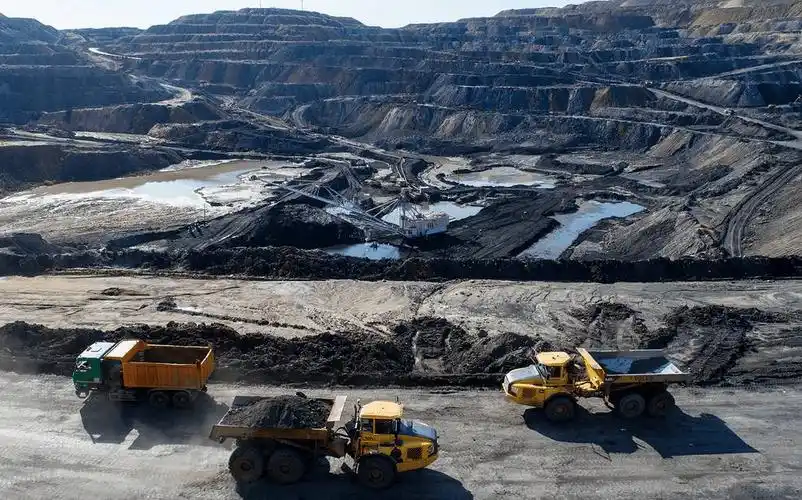
To effectively manage the massive amounts of coal slurry generated daily, a belt filter press for coal slurry dewatering has become an essential piece of equipment. Fine coal, clay, and silt particles remain suspended in the process water, forming a slurry that must be handled properly. For most coal operators, slurry handling is no longer just an environmental compliance task; it has evolved into a major recurring operating expense.
Rising labour expenses, stricter environmental regulations, higher freshwater prices and tighter restrictions on new tailings ponds push coal washing plants to seek better dewatering solutions. A high-capacity belt filter press for coal slurry dewatering has become a preferred option to control costs and optimise coal tailings management.
Hidden Costs of Coal Slurry Disposal: Why Mechanical Dewatering Pays Off
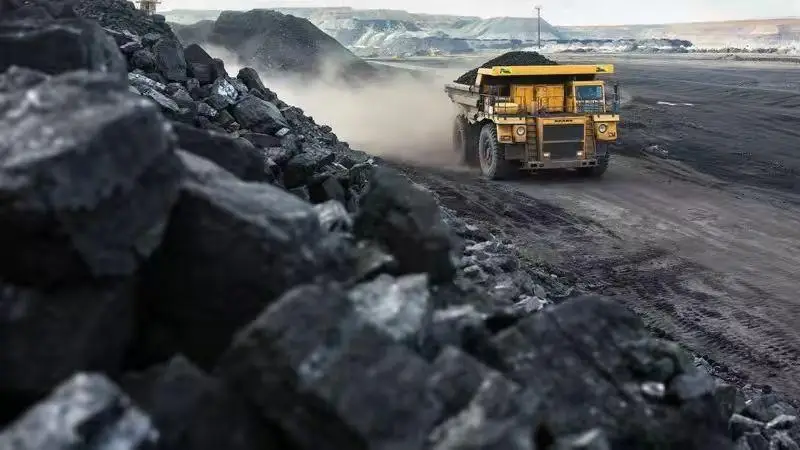
Many plant owners only see the surface cost of slurry disposal and ignore a long list of hidden expenditures. Tailings pond construction, regular pond maintenance, lost process water, sludge transportation, disposal charges, on-site labour and environmental compliance fees keep accumulating year after year. Once slurry builds up continuously, operators face two limited choices: expanding tailings storage or investing in mechanical dewatering equipment. Since permits for new tailings ponds are hard to obtain in most regions, continuous mechanical dewatering becomes the more sustainable long-term plan.
Without efficient dewatering, coal slurry carries plenty of trapped water. This extra water increases transport weight, takes up more storage space and raises overall disposal spending. A properly designed dewatering system reduces the final volume of filter cake, recycles usable process water, cuts haulage costs and lowers the site’s environmental footprint.
Water recycling is often an overlooked source of savings for coal washing lines. Coal preparation plants consume huge volumes of fresh water daily. When water flows into tailings ponds, operators keep buying and pumping new freshwater, adding steady financial pressure. Modern dewatering equipment separates clean water from slurry, and this recovered water can be sent straight back into the coal washing circuit. It reduces freshwater demand, cuts pumping power consumption and lowers wastewater discharge. As water costs keep climbing globally, water recovery has become a key factor for profitable coal processing.
Advantages of High-Capacity Belt Filter Presses for Continuous Coal Slurry Dewatering
Traditional slurry management relies on thickening and tailings pond storage. This method requires large land areas, constant maintenance and brings long-term environmental risks. Continuous mechanical dewatering offers a better alternative. Belt filter presses work alongside tailings dry stacking systems and deliver stable high throughput. Unlike batch filtration machines, they run nonstop throughout production, making them suitable for large coal preparation plants.
High-capacity belt filter presses bring multiple practical advantages for coal slurry treatment. They support continuous operation and remove idle time between batches, lifting plant output and cutting labour intensity. Compared with other dewatering technologies, these presses feature relatively low power consumption and simpler routine maintenance, helping owners reduce total ownership costs. After pressing, the filter cake contains far less moisture, occupies less space and is much easier to transport and stack. Recovered water also helps plants reduce reliance on external freshwater sources.
As modern coal washing facilities scale up, they may process thousands of tons of raw coal each day. Slurry output rises accordingly. Undersized dewatering equipment creates production bottlenecks, forces extra tailings storage and limits water reuse, which pushes operating costs higher. For large-scale projects, equipment throughput is one of the most critical buying considerations.
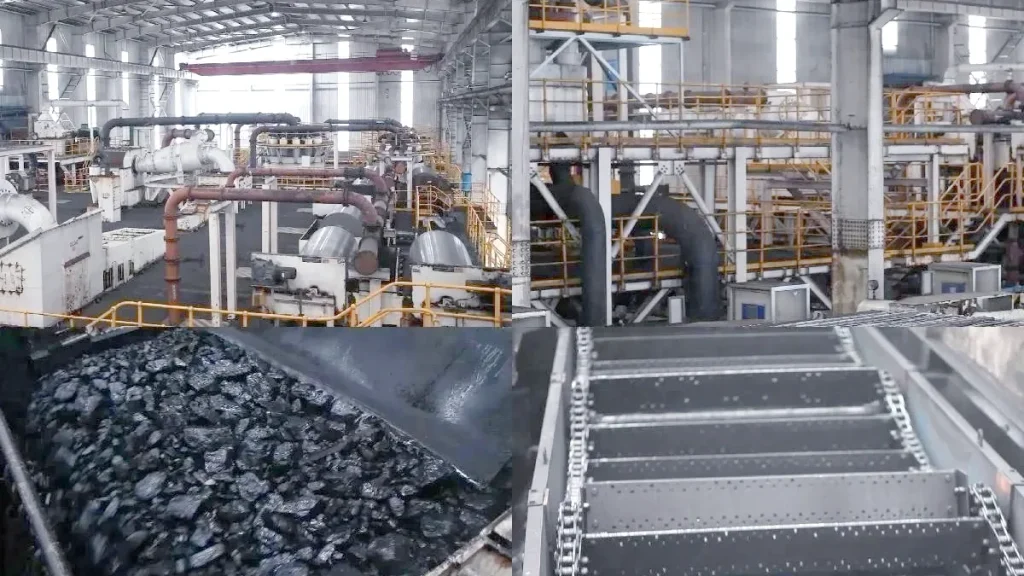
Meibang’s ultra-large dual-motor belt filter press is built to handle heavy-duty slurry separation for mining and industrial applications. It works well for coal slurry dewatering, coal tailings treatment, general mining tailings, sand washing tailings, kaolin washing slurry and aggregate wastewater treatment. This machine can reach 18 meters in length with a maximum belt width of 3.5 meters and handle slurry flow up to 80 m³/h. Higher single-unit throughput means fewer machines are required for the same workload, saving both capital investment and daily running costs.
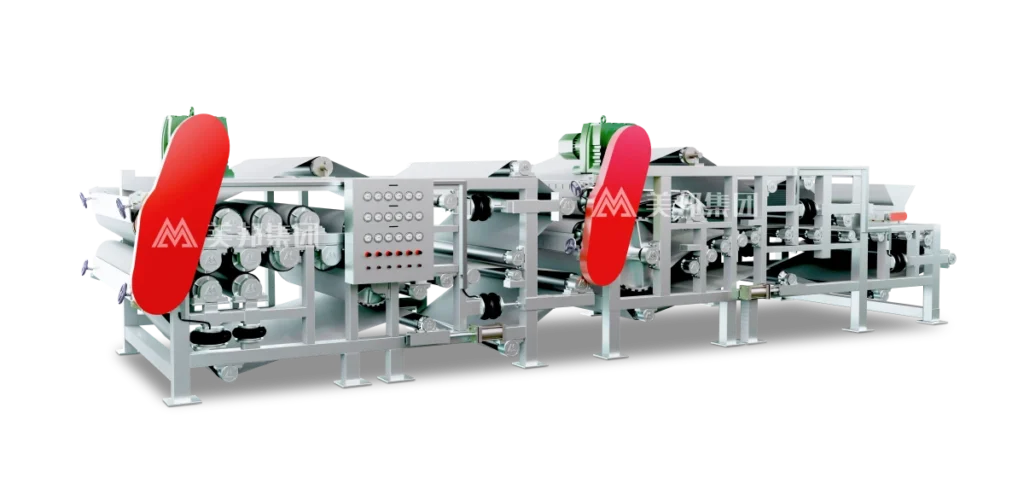
Engineering Reliability: How Dual-Motor Belt Filter Presses Optimize Slurry Dewatering
The dual-motor drive delivers stable power transmission, improved reliability and smooth operation under heavy loads, which matters greatly for mining sites where unexpected shutdowns lead to heavy losses. Its multi-stage pressing structure gradually increases pressure during filtration to improve solid-liquid separation and lower cake moisture. Drier filter cake reduces transport fees and simplifies stacking and material handling. Thanks to its continuous working principle, the equipment processes large slurry volumes without excessive energy consumption, supporting stable long-term cost control.
A complete and economical coal slurry treatment system usually consists of a thickener, polymer preparation unit, belt filter press, water collection tank and water recycling circuit. All these units cooperate to minimise waste and maximise water recovery.
To cut coal slurry disposal costs effectively, coal preparation plants cannot simply depend on tailings pond storage. Operators need to focus on water recycling, tailings volume reduction, regulatory compliance and stable operational efficiency. A high-capacity belt filter press for coal slurry dewatering combines continuous running, low operating expenditure and reliable water recovery performance. For large coal washing plants, Meibang ultra-large dual-motor belt filter presses provide the throughput, stability and separation efficiency required to reduce slurry disposal costs and improve overall plant performance.