
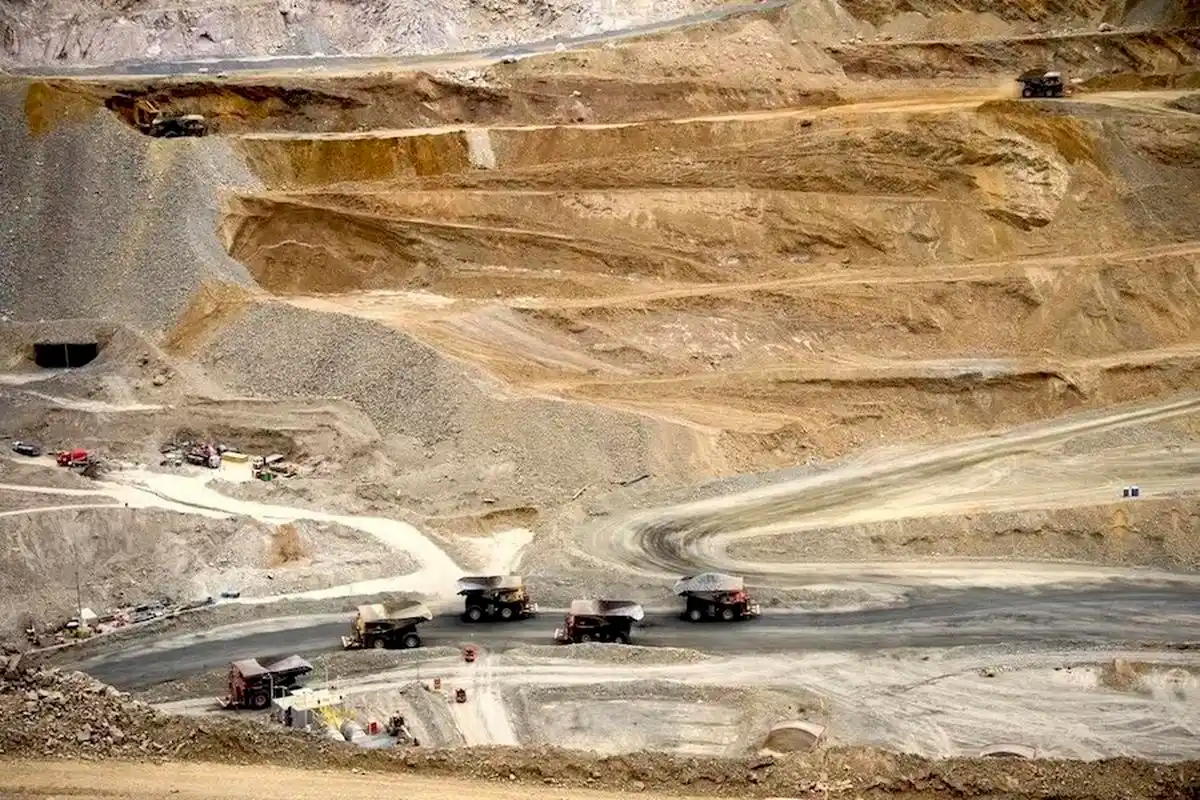
Australia remains the world’s leading producer of hard rock lithium, supplying spodumene concentrate to battery manufacturers across the globe. Although lithium prices have softened since their record highs, long-term demand continues to be supported by electric vehicles, renewable energy storage, and battery manufacturing. For Australian mining companies, however, the focus has shifted from rapid expansion to improving operational efficiency and lowering production costs.
One area receiving growing attention is lithium tailings dewatering. Modern lithium concentrators generate enormous volumes of fine tailings every day, making tailings management a major contributor to both operating costs and environmental performance. Instead of viewing tailings simply as waste, many mine operators now see opportunities to recover valuable process water, reduce storage costs, and support more sustainable mining practices. This shift is increasing interest in high-capacity mining belt filter press systems, particularly for large hard rock lithium operations.
Why Tailings Management Is Changing
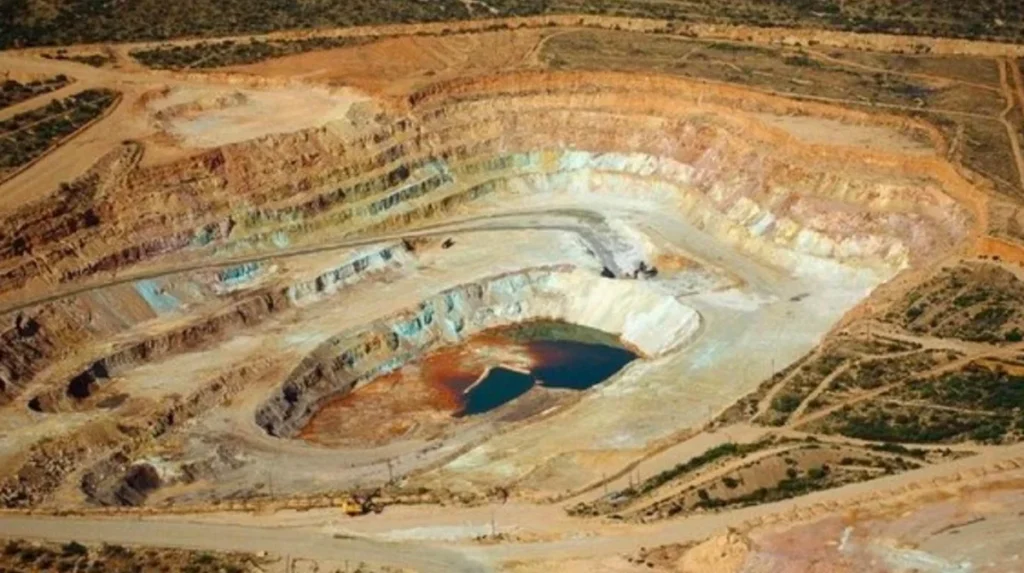
Every tonne of spodumene concentrate produced leaves behind several tonnes of tailings. Traditionally, these tailings are thickened and pumped as slurry to a tailings storage facility (TSF). While this approach remains common, it also requires significant investment in dam construction, water management infrastructure, environmental monitoring, and long-term maintenance.
At the same time, Australian lithium mines are facing increasing pressure to improve water efficiency and strengthen ESG performance. Water is a valuable resource, especially in remote mining regions where supply is limited and expensive. Recovering process water has therefore become both an environmental objective and an economic priority.
Rather than focusing only on disposal, many new projects are evaluating tailings management based on its contribution to overall plant efficiency. This has accelerated interest in mechanical tailings filtration and more efficient dewatering technologies.
The Growing Appeal of Dry Stack Lithium Tailings
Across the mining industry, dry stack lithium tailings are attracting increasing attention as an alternative to conventional slurry disposal.
Instead of sending large volumes of liquid tailings to a storage facility, mechanical dewatering removes most of the free water before disposal. The resulting filter cake can be transported by conveyor or truck and placed in engineered storage areas where it can be compacted and progressively rehabilitated.
For hard rock lithium operations, this approach offers several advantages. Less water is retained in the tailings, more water can be returned to the processing plant, and the required footprint of the storage facility may be reduced. Dry stacking can also simplify long-term site rehabilitation while improving the stability of stored tailings.
Although not every lithium project is suited to dry stacking, the technology is becoming increasingly attractive for new developments where water recovery, environmental performance, and long-term operating costs are key design considerations.
Process Water Recovery Delivers Immediate Benefits
Among all the objectives of modern tailings management, process water recovery often provides the quickest financial return.
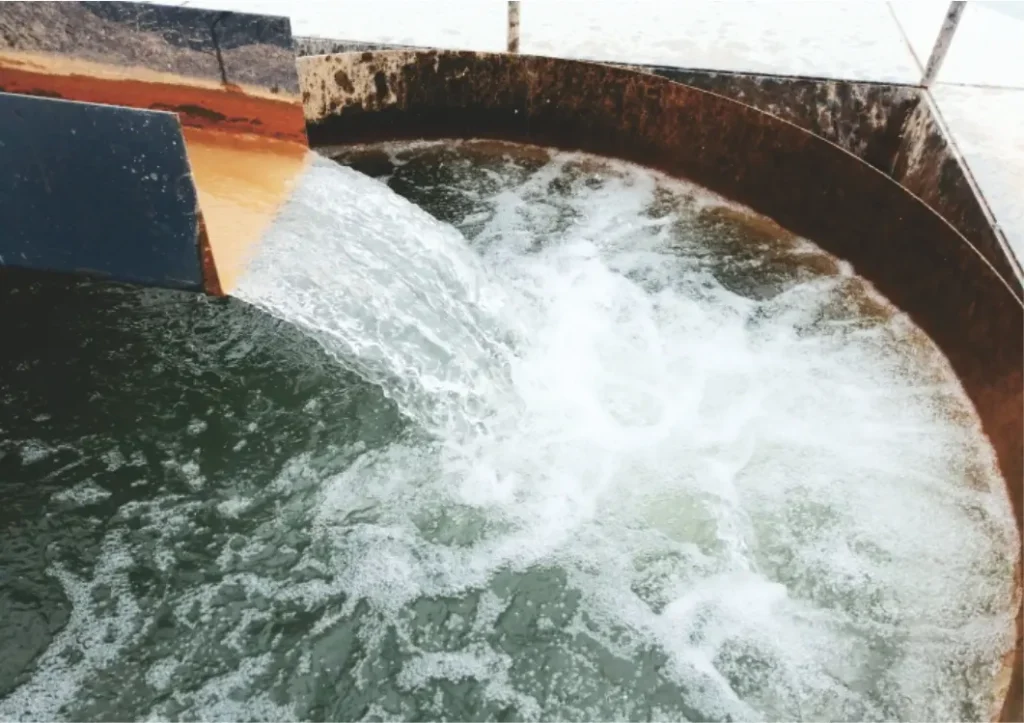
Every cubic metre of water recovered from the dewatering process can be reused in grinding, flotation, or other stages of the concentrator. This reduces fresh water demand, lowers pumping costs, and improves the overall water balance of the processing plant.
Stable water recycling also contributes to more consistent plant operation. Maintaining reliable water availability helps support flotation performance while reducing dependence on external water sources during dry seasons.
For Australian lithium mines operating in remote regions, recovering more process water is not simply an environmental initiative—it is an effective way to reduce operating costs over the life of the project.
Why Ultra-Large Mining Belt Filter Presses Are Gaining Attention
As lithium concentrators become larger, equipment selection has become increasingly important.
Many modern processing plants handle millions of tonnes of ore each year, producing continuous streams of tailings that require reliable, high-capacity dewatering. Installing numerous small filtration units can increase plant complexity, require more maintenance, occupy valuable space, and raise both capital and operating costs.
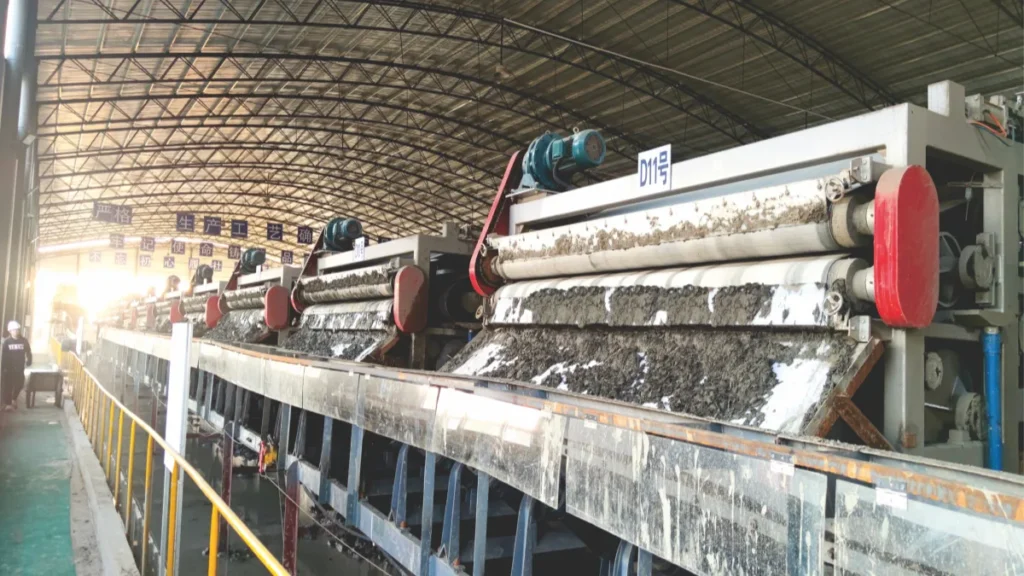
An ultra-large mining belt filter press offers a different approach.
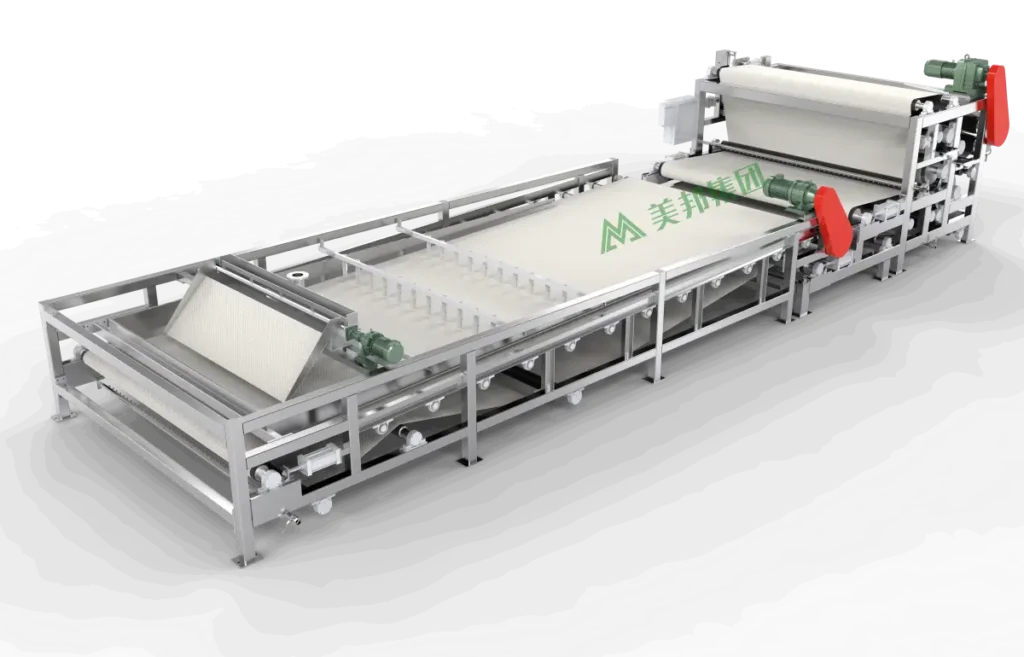
Designed for continuous operation, a belt filter press can process large volumes of tailings without the repeated filling and discharge cycles associated with batch filtration equipment. Continuous operation helps maintain stable plant throughput while supporting efficient downstream tailings handling.
More importantly, larger equipment allows operators to achieve required production capacity with fewer machines. This reduces the number of foundations, steel structures, pumps, electrical connections, and maintenance points throughout the plant.
For EPCM contractors, fewer filtration units simplify plant layout and shorten installation schedules. For mine operators, fewer machines translate into lower maintenance workloads, reduced spare parts inventories, and improved operational reliability.
Large-capacity systems are particularly well suited to high-throughput hard rock lithium concentrators, where uninterrupted production is essential for maintaining profitability.
Creating Value Beyond Dewatering
The true value of a high-capacity mining belt filter press extends well beyond reducing moisture content.
By supporting dry stack lithium tailings, the equipment helps recover more process water, reduces slurry volumes entering the tailings storage facility, and contributes to a more efficient tailings management system.
Because fewer machines are required, mine owners can reduce construction costs, simplify future maintenance, and make better use of available plant space. Lower equipment numbers also mean fewer wear parts and fewer routine inspections, helping reduce operating expenditure throughout the life of the mine.
For expanding lithium operations, selecting larger continuous dewatering equipment also provides greater flexibility for future capacity increases without requiring major modifications to the filtration area.
In short, the greatest benefit is not simply higher filtration capacity—it is improved project economics across the entire processing plant.
Future Trends
Looking ahead, several trends are expected to shape Australian hard rock lithium processing.
Water recovery will continue to become more important as mines seek to improve resource efficiency and reduce operating costs. More projects are likely to evaluate dry stack lithium tailings as part of their long-term tailings strategy, particularly where environmental performance and water conservation are priorities.
At the same time, concentrators are expected to become larger and more automated. This will increase demand for continuous, high-capacity dewatering equipment capable of delivering reliable performance with minimal maintenance.
Rather than evaluating equipment solely on filtration efficiency, mining companies will increasingly consider how dewatering technology contributes to lower capital investment, reduced operating costs, improved water management, and long-term sustainability.
Conclusion
Australia’s lithium industry is evolving rapidly. As producers adapt to changing market conditions, improving operational efficiency has become just as important as increasing production.
Modern tailings management is no longer simply about disposing of waste. It is about recovering valuable process water, supporting sustainable mining, reducing long-term storage costs, and improving the overall economics of lithium production.
For large hard rock lithium operations, an ultra-large mining belt filter press provides a practical solution by combining continuous high-capacity dewatering with efficient process water recovery and support for dry stack lithium tailings. By reducing equipment numbers, simplifying plant design, and lowering both capital and operating costs, it delivers value that extends well beyond the dewatering circuit.
As Australia’s lithium industry continues to pursue greater efficiency and sustainability, high-capacity belt filter press technology is expected to play an increasingly important role in the next generation of lithium concentrators.