
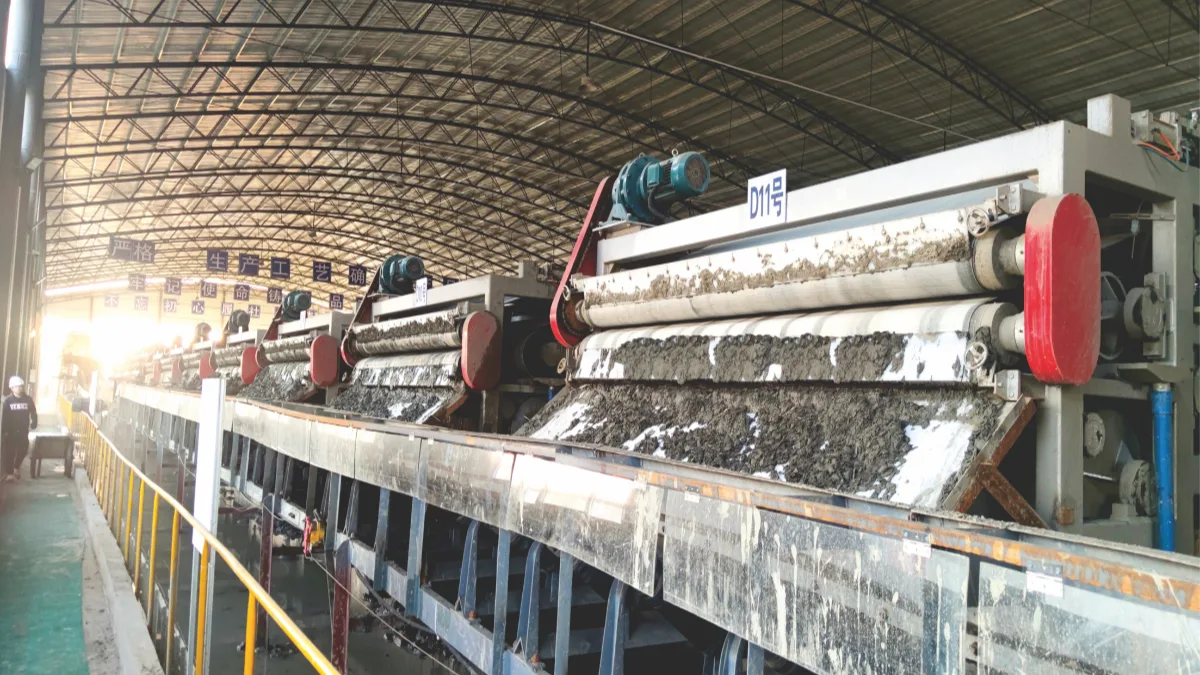
As mining companies face increasing pressure to improve water recovery, reduce tailings storage risks, and meet stricter environmental standards, tailings dewatering has become a central consideration in EPCM plant design. Whether for a new greenfield project or a brownfield expansion, selecting the right dewatering technology can significantly influence project economics, operational efficiency, and long-term sustainability.
Today, EPCM contractors are evaluating a range of tailings dewatering technologies, including conventional thickeners, filter presses, centrifuges, and belt filter press systems. Each solution has advantages and limitations depending on the ore type, throughput requirements, water recovery targets, and site-specific conditions.
Understanding the strengths and weaknesses of these technologies is essential for designing a practical and cost-effective tailings management strategy.
Why Tailings Dewatering Matters More Than Ever
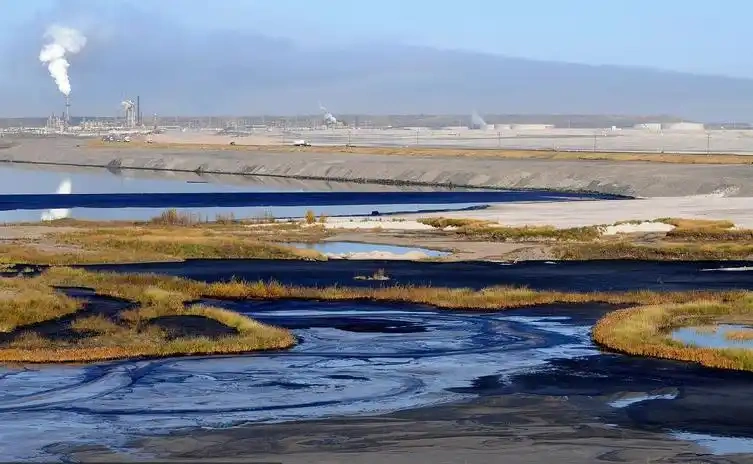
Historically, many mining operations relied on conventional tailings storage facilities (TSFs) to manage slurry tailings. Thickened tailings were pumped directly to storage dams, where water gradually separated over time.
However, this approach is becoming increasingly challenging.
Mining companies today face:
- Rising costs of TSF construction and expansion
- More stringent environmental regulations
- Growing concerns about tailings dam safety
- Water scarcity in many mining regions
- Increased pressure to reduce closure liabilities
As a result, EPCM engineers are increasingly incorporating mechanical tailings dewatering technologies into plant designs to reduce water consumption and minimize dependence on large wet tailings facilities.
Thickener-Based Systems
The thickener remains the most common first-stage dewatering technology in mining.
High-rate, high-density, and paste thickeners can significantly increase solids concentration before tailings disposal.
Advantages include:
- Relatively low capital cost
- Simple operation
- Low power consumption
- Suitable for large volumes
However, thickeners alone rarely produce material suitable for dry stacking.
Typical underflow solids concentrations may range from 50% to 70%, depending on mineralogy and particle size distribution. Tailings often remain pumpable and require large storage facilities.
For this reason, thickeners are increasingly used as a pre-dewatering stage rather than a complete tailings management solution.
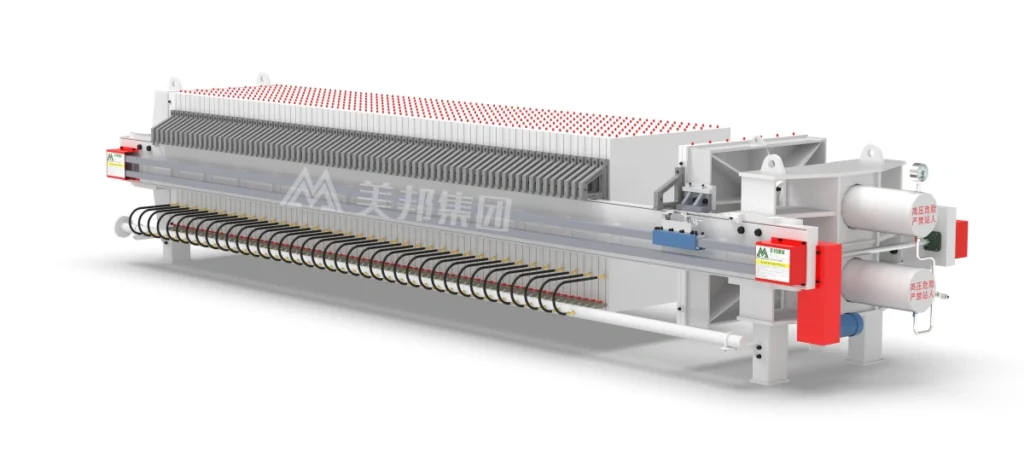
Plate and Frame Filter Presses
Plate and frame filter presses have become a common choice for projects pursuing filtered tailings or dry stacking.
These systems use hydraulic pressure to separate water from solids and can achieve relatively low cake moisture levels.
Advantages include:
- High cake dryness
- Excellent water recovery
- Suitable for dry stack tailings
However, EPCM contractors must also consider several limitations.
Large mining operations often require multiple filter presses operating in parallel. As plant throughput increases, equipment footprints, maintenance requirements, and capital costs can grow significantly.
Because filter presses operate in batches rather than continuously, production scheduling and equipment redundancy become important design considerations.
For large copper, gold, and iron ore projects processing thousands of tonnes per day, filtration capacity can become a major design challenge.
Centrifuge Systems
Centrifuges are widely used in municipal sludge treatment and certain industrial applications. Some mining operations have also adopted centrifuge technology for specific tailings streams.
Advantages include:
- Compact installation footprint
- Continuous operation
- Rapid startup and shutdown
However, centrifuges generally consume more energy than alternative dewatering systems.
Maintenance costs can also be higher due to wear on rotating components, particularly when processing abrasive mineral tailings.
For high-throughput mining applications, operating expenses may become a significant consideration over the life of the project.
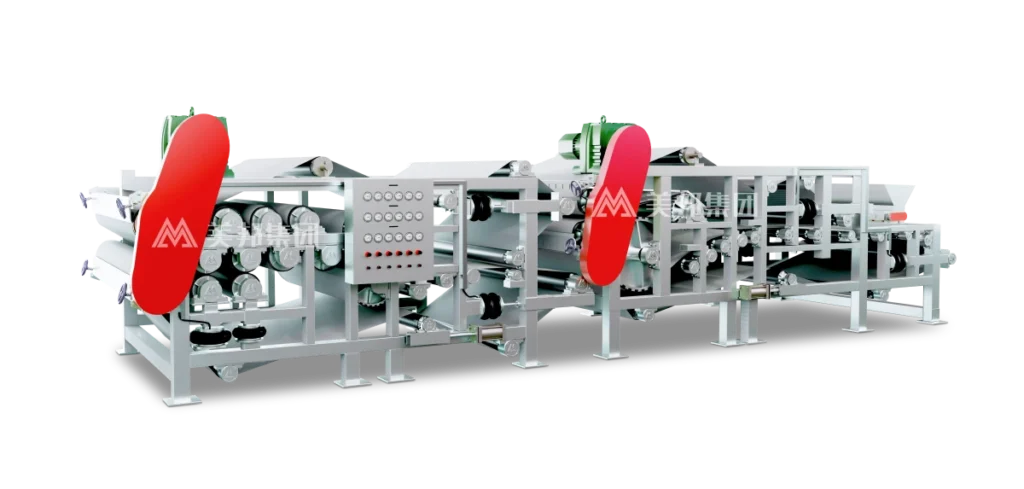
Belt Filter Press Technology
The belt filter press occupies an important position between thickening and high-pressure filtration technologies.
Modern belt filter press systems use gravity drainage, wedge compression, and progressive roller pressure to remove water from slurry continuously.
For EPCM contractors designing large mining plants, several characteristics make this technology increasingly attractive.
Continuous Operation
Unlike batch-operated filter presses, belt filter presses operate continuously.
This simplifies process integration and enables steady-state operation throughout the plant.
Continuous dewatering is particularly valuable for large concentrators where interruptions can affect downstream logistics and tailings management.
High Throughput Capacity
One of the strongest advantages of a high-capacity belt filter press is its ability to process large slurry volumes.
Modern large-format units can handle substantial throughput while maintaining stable operation.
For EPCM projects targeting high production rates, fewer machines may be required compared with some alternative technologies.
This can reduce:
- Equipment count
- Installation complexity
- Structural steel requirements
- Auxiliary systems
Lower Energy Consumption
Energy efficiency remains a critical consideration in remote mining operations.
Compared with centrifuges and certain high-pressure filtration systems, belt filter presses often offer lower specific power consumption.
This can contribute to lower operating costs over the life of the mine.
Operational Simplicity
Many EPCM contractors prioritize technologies that can be operated and maintained by local workforces.
Belt filter press systems typically feature straightforward mechanical designs with fewer highly specialized components.
Routine maintenance can often be performed without extensive specialist support, an important consideration in remote mining regions across Africa and Latin America.
Comparing Technologies in EPCM Project Design
When evaluating tailings dewatering technologies, EPCM teams generally focus on four key criteria:
1. Throughput
For very large mining projects, throughput is often the first screening factor.
Belt filter press systems perform particularly well where continuous high-volume processing is required.
2. Water Recovery
Filter presses typically achieve the highest water recovery rates and lowest cake moisture.
However, the additional capital and operational complexity may not always be justified.
The optimal solution depends on site-specific economics.
3. Capital Cost
Large filtration installations can represent a substantial portion of project CAPEX.
In many cases, high-capacity belt filter press systems offer an attractive balance between performance and investment cost.
4. Operating Cost
Energy, maintenance, consumables, and labor requirements must all be considered.
Over the life of a mine, OPEX can often exceed the initial equipment purchase cost.
The Growing Role of Large Belt Filter Press Systems
As mining companies seek practical alternatives to expensive tailings storage expansion projects, large belt filter press systems are attracting renewed attention.
Advances in belt materials, roller design, automation, and flocculation control have significantly improved performance compared with earlier generations of equipment.
For mines prioritizing:
- High throughput
- Reliable operation
- Lower energy consumption
- Reduced operating costs
- Improved water recovery
a modern high-capacity belt filter press can provide a compelling solution.
Particularly in large gold, copper, iron ore, and industrial mineral operations, belt filter press technology is increasingly being evaluated as part of integrated tailings dewatering systems.
Conclusion
There is no universal tailings dewatering solution suitable for every mining project. The optimal choice depends on ore characteristics, production targets, water recovery requirements, environmental obligations, and project economics.
While filter presses, centrifuges, and thickening technologies all have important roles to play, high-capacity belt filter press systems continue to offer an attractive combination of throughput, operational simplicity, energy efficiency, and cost-effectiveness.
For EPCM contractors tasked with designing modern tailings management systems, the belt filter press remains a technology worthy of serious consideration—particularly where large-scale continuous operation and long-term economic performance are key project objectives.