
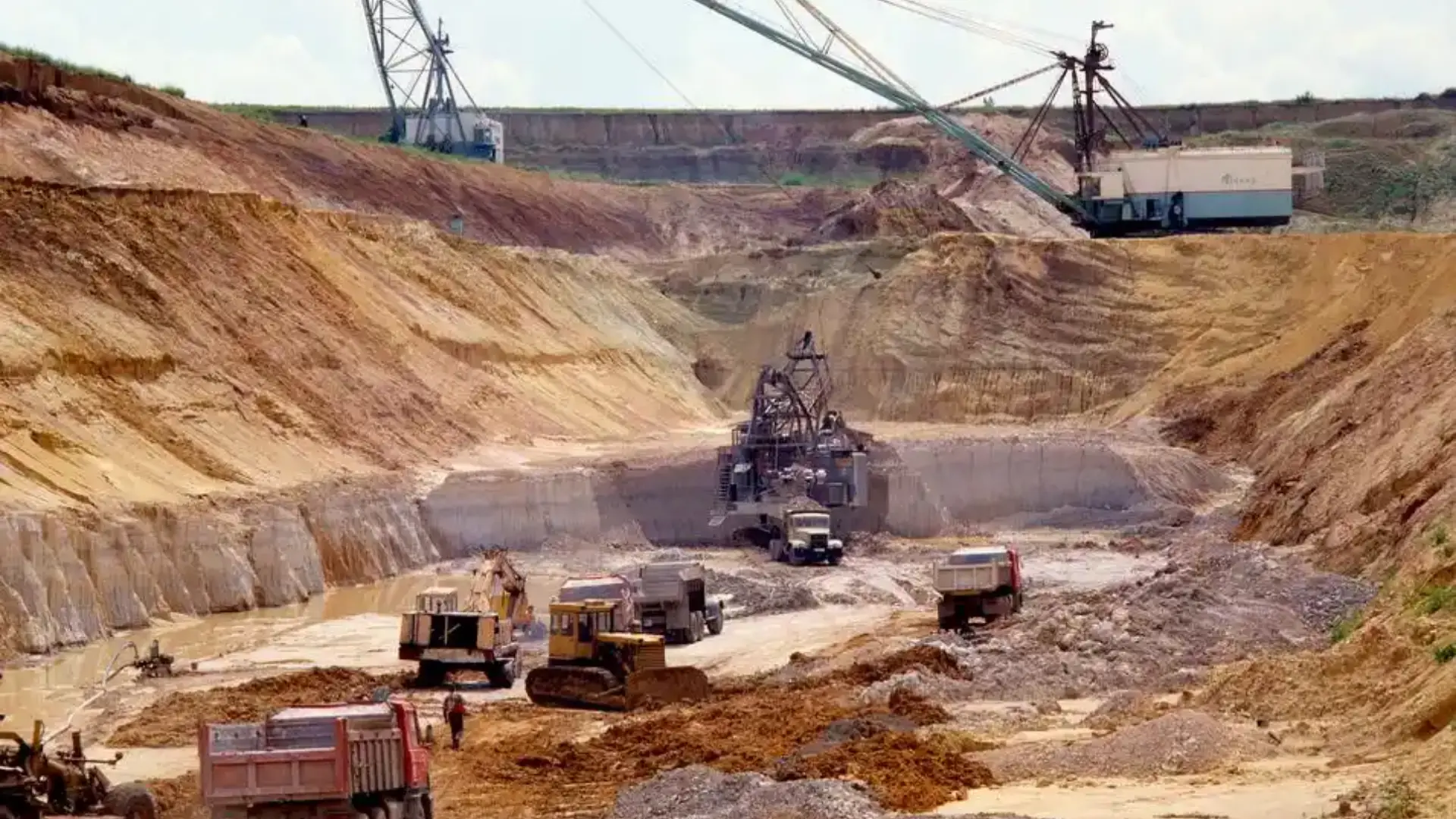
For decades, conventional tailings storage facilities were considered a normal part of iron ore mining. Large volumes of tailings slurry were pumped into tailings ponds, where solids gradually settled and water was recovered over time. This approach was widely accepted because land was relatively inexpensive, environmental regulations were less demanding, and water resources were often abundant.
Today, the situation is changing.
Across major mining regions, iron ore producers are facing increasing pressure to improve environmental performance, reduce water consumption, and lower long-term tailings management risks. As a result, more mining companies are investing in dry stack tailings systems as an alternative to traditional wet tailings storage.
What was once considered a niche solution is rapidly becoming an important part of modern mine planning.
The End of “Store It and Forget It”
Traditional tailings ponds were designed around a simple concept: transport tailings as slurry and store them behind a containment structure.
While this method remains common, the hidden costs become more apparent as mines expand.
Every year, operators must manage:
- Tailings dam maintenance
- Water losses through evaporation
- Monitoring and compliance costs
- Land expansion requirements
- Long-term closure obligations
For large iron ore operations producing millions of tons of tailings annually, these costs can become significant.
Many mine operators are now asking a different question:
Instead of building larger tailings storage facilities, can we reduce the amount of water entering the storage system in the first place?
This question is driving interest in iron ore tailings dewatering and dry stack solutions.
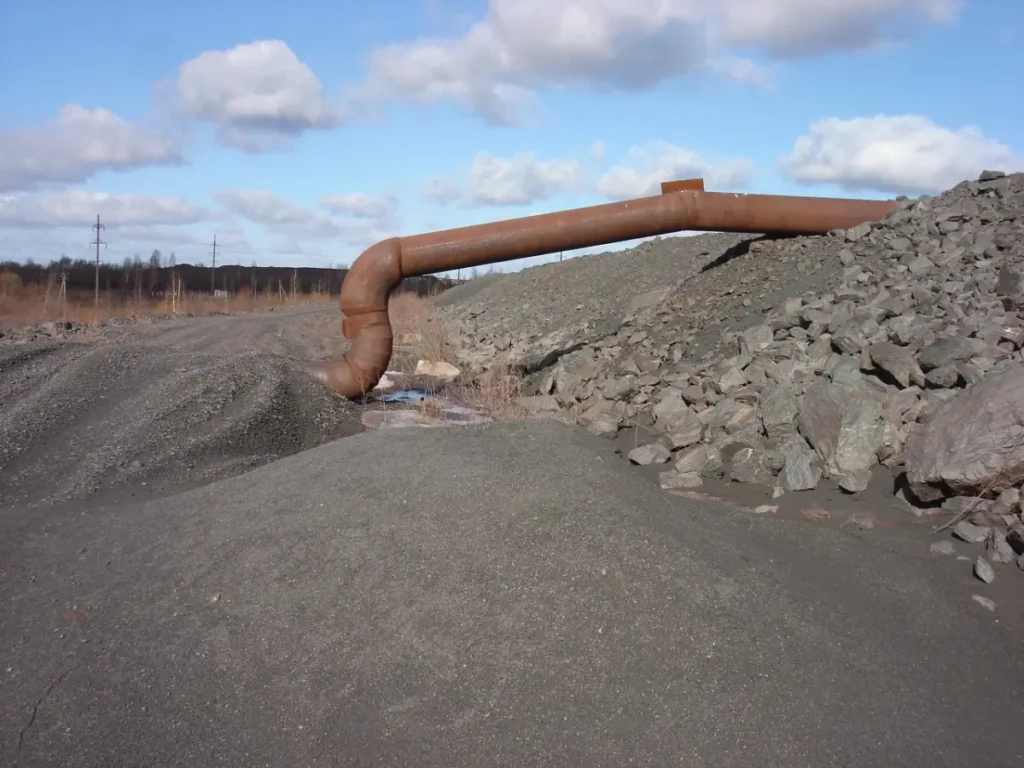
Water Is Becoming More Valuable Than Ever
Modern iron ore processing depends heavily on water.
Water is used throughout the beneficiation process for grinding, classification, washing, and transportation of fine particles. Traditionally, a considerable portion of this water ended up in tailings ponds.
However, water availability is becoming a major challenge in many mining regions.
In areas experiencing drought conditions or increasing competition for water resources, mining companies are under growing pressure to maximize water recovery.
Dry stack tailings systems help address this challenge by removing water from tailings before final disposal.
Instead of allowing water to remain trapped within a large slurry pond, mechanical dewatering systems recover water and return it to the plant.
The result is a more efficient and sustainable operation.
Dry Stack Tailings Improve Land Utilization
Land is another increasingly valuable resource.
Expanding a conventional tailings storage facility often requires:
- Additional permits
- Environmental studies
- Construction costs
- Long approval timelines
For some projects, obtaining new land can become a major obstacle to future expansion.
Dry stack tailings systems reduce this pressure by significantly decreasing the volume of water stored with the tailings.
Because dewatered tailings occupy less space and can be stacked in a controlled manner, operators can improve overall land utilization while extending the useful life of existing storage areas.
For mines located near communities, agricultural land, or environmentally sensitive regions, this advantage is particularly important.
Improving Operational Flexibility
Another reason dry stacking is gaining popularity is operational flexibility.
Traditional tailings ponds require continuous management of water levels, dam integrity, and sediment accumulation.
By contrast, dewatered tailings are easier to transport, handle, and store.
Operators can:
- Manage storage areas more efficiently
- Simplify water management strategies
- Improve site organization
- Reduce dependence on large containment structures
As mines pursue greater operational efficiency, these advantages become increasingly attractive.
Mechanical Dewatering Is the Key
The success of a dry stack tailings strategy depends largely on the effectiveness of the dewatering process.
The objective is straightforward:
Remove as much water as economically practical before disposal.
Several technologies can be used for this purpose, including:
- Vacuum filtration
- Ceramic filtration
- Plate and frame filter presses
- Belt filter presses
Each technology has its place depending on mineral characteristics, production scale, and project objectives.
For large iron ore operations, however, throughput capacity often becomes one of the most important considerations.
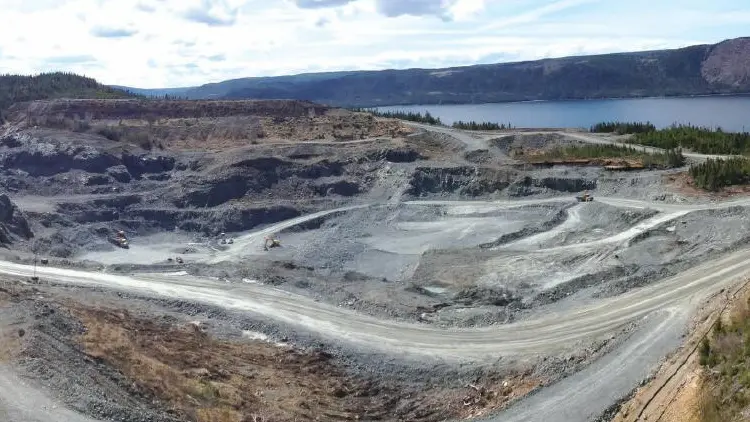
Why High-Capacity Belt Filter Presses Are Attracting Attention
Modern iron ore mines process enormous quantities of material every day.
A dewatering solution that performs well in a laboratory or small plant may struggle when exposed to industrial-scale production requirements.
This is why many operators are evaluating high-capacity belt filter presses for iron ore tailings.
Unlike batch-operated filtration systems, belt filter presses provide continuous processing.
This continuous operation offers several advantages:
- Stable production flow
- High throughput
- Lower labor requirements
- Reduced operating complexity
- Efficient water recovery
For mines handling large tailings volumes, these benefits can translate into meaningful cost savings over the life of the project.
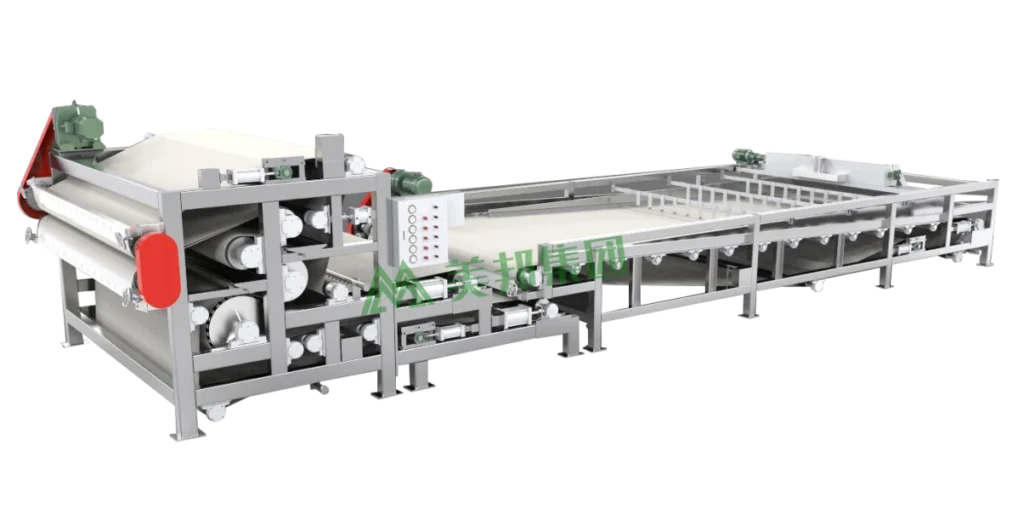
Meibang Ultra-Large Dual-Motor Belt Filter Press
To meet the growing demand for large-scale tailings dewatering, Meibang has developed an ultra-large dual-motor belt filter press specifically designed for mining applications.
The equipment is suitable for:
- Iron ore tailings
- Copper tailings
- Nickel tailings
- Kaolin washing tailings
- Sand washing tailings
- Other mineral processing residues
Designed for High-Volume Operations
Large mining projects require equipment that can operate continuously under demanding conditions.
Meibang’s system features:
- Belt width up to 3.5 meters
- Equipment length up to 18 meters
- Slurry processing capacity up to 80 m³/h
The large filtration area allows substantial tailings volumes to be processed using fewer machines.
Dual-Motor Technology for Reliable Performance
One of the key features of the system is its advanced dual-motor drive configuration.
Compared with conventional single-motor designs, the dual-motor system provides:
- More stable operation
- Better load distribution
- Improved reliability
- Enhanced durability under heavy-duty conditions
These advantages are especially valuable for mining operations where equipment downtime can be extremely costly.
Supporting Water Recovery and Dry Stacking
The combination of high throughput and efficient dewatering helps operators recover more process water while reducing the volume of material requiring storage.
This makes the equipment well suited for modern dry stack tailings systems that prioritize sustainability, water conservation, and operational efficiency.
Looking Ahead
The future of tailings management is changing.
Mining companies are no longer evaluating tailings systems solely based on initial capital costs. Increasingly, they are considering water recovery, environmental performance, operational risk, and long-term sustainability.
As these priorities continue to evolve, dry stack tailings systems are becoming an increasingly important part of iron ore mine development.
For operations seeking to reduce water consumption, improve land utilization, and lower long-term tailings management costs, high-capacity dewatering technologies such as Meibang’s ultra-large dual-motor belt filter press provide a practical pathway toward more efficient and sustainable mining practices.