
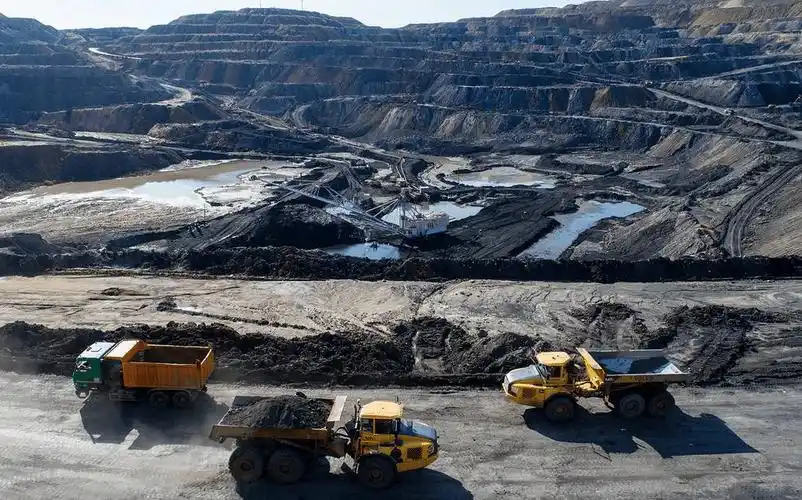
Coal preparation plants generate large volumes of slurry every day. As coal is washed, screened, and processed, fine particles become suspended in water, creating coal slurry that must be managed efficiently. For many operators, handling this slurry is no longer just an environmental requirement—it has become a major operating expense.
Rising labor costs, stricter environmental regulations, increasing water prices, and growing pressure to reduce tailings storage are forcing coal producers to seek more efficient dewatering solutions. As a result, high-capacity belt filter presses are becoming an increasingly attractive option for coal slurry dewatering and coal tailings management.
This article explores the major cost factors associated with coal slurry disposal and explains how modern large-scale belt filter presses can significantly reduce operating expenses while improving plant efficiency.
The Hidden Costs of Coal Slurry Disposal
Many coal preparation plants underestimate the true cost of slurry management.
While the focus is often placed on production efficiency, slurry disposal can create substantial long-term expenses.
Common cost drivers include:
- Tailings pond construction
- Tailings pond maintenance
- Water loss
- Sludge transportation
- Disposal fees
- Labor costs
- Environmental compliance costs
As slurry accumulates, operators must either expand storage capacity or invest in mechanical dewatering systems.
In many regions, obtaining permits for new tailings ponds has become increasingly difficult, making dewatering a more practical long-term strategy.
Why Coal Slurry Requires Efficient Dewatering
Coal slurry contains a mixture of:
- Fine coal particles
- Clay
- Silt
- Process water
Without proper treatment, large volumes of water become trapped within the slurry, increasing transportation and disposal costs.
A well-designed coal slurry dewatering system can provide several important benefits:
- Reduced disposal volume
- Improved water recovery
- Lower transportation costs
- Reduced environmental impact
- Improved plant efficiency
These benefits directly contribute to lower operating expenses.
Water Recovery: An Overlooked Source of Savings
Water is one of the most valuable resources in modern coal processing operations.
Many coal preparation plants consume significant volumes of fresh water every day. Losing water to tailings ponds increases both operational costs and environmental pressure.
A modern coal slurry dewatering system can recover a substantial portion of process water and return it to the plant for reuse.
Benefits of water recycling include:
- Lower freshwater consumption
- Reduced pumping costs
- Reduced wastewater discharge
- Improved sustainability
As water prices continue to rise globally, water recovery has become a key economic consideration.
Why More Coal Preparation Plants Are Using Belt Filter Presses
Traditionally, coal slurry was often managed through thickening and pond storage. While this approach remains common, it has several disadvantages:
- Large land requirements
- Ongoing maintenance costs
- Water loss
- Long-term environmental liabilities
Mechanical dewatering offers a more efficient alternative.
Among available technologies, the belt filter press for coal slurry dewatering has gained popularity because it combines high throughput with continuous operation.
Unlike batch-operated filtration systems, belt filter presses can process slurry continuously throughout the production cycle.
This makes them particularly suitable for large coal preparation plants.
Key Advantages of High-Capacity Belt Filter Presses
Continuous Operation
Coal preparation plants typically operate for extended periods and generate slurry continuously.
A belt filter press operates continuously, eliminating downtime associated with batch filtration cycles.
This improves overall plant productivity and reduces labor requirements.
Lower Operating Costs
Compared with some alternative dewatering technologies, belt filter presses generally offer:
- Lower power consumption
- Lower maintenance requirements
- Reduced labor intensity
These factors contribute directly to lower total ownership costs.
Reduced Tailings Volume
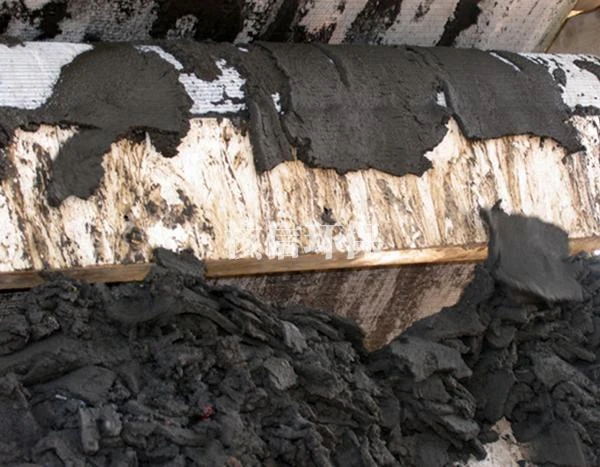
Mechanical dewatering removes a significant amount of water from slurry before disposal.
The resulting filter cake occupies less space and is easier to transport and handle.
Improved Water Recovery
Recovered water can be returned directly to the coal washing process, reducing dependence on external water sources.
The Growing Need for Large-Scale Dewatering Equipment
Many modern coal preparation plants process thousands of tons of raw coal per day.
As production capacity increases, slurry generation also rises.
Traditional dewatering systems may struggle to keep pace with the volume of slurry produced.
This is where high-capacity equipment becomes essential.
Choosing undersized equipment often results in:
- Production bottlenecks
- Increased pond storage requirements
- Reduced water recovery
- Higher operating costs
For large-scale operations, equipment capacity is one of the most important purchasing considerations.
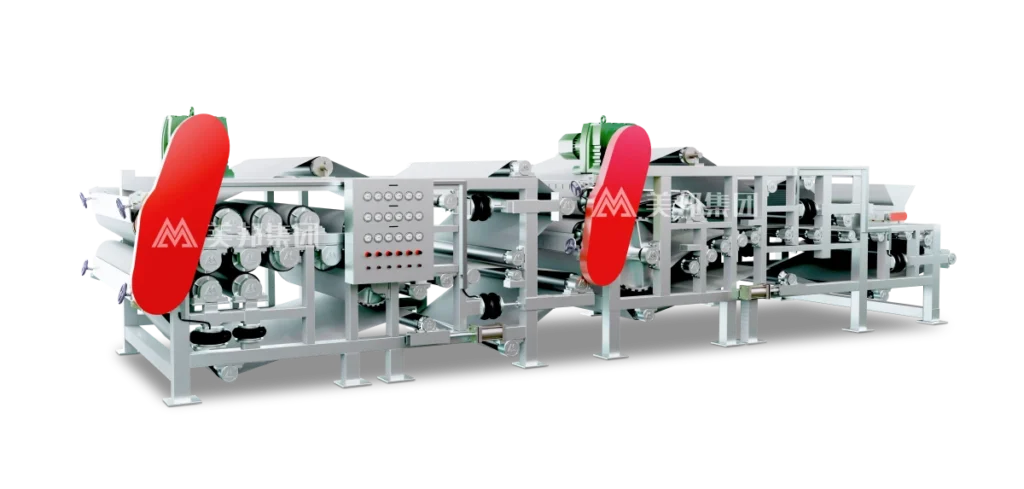
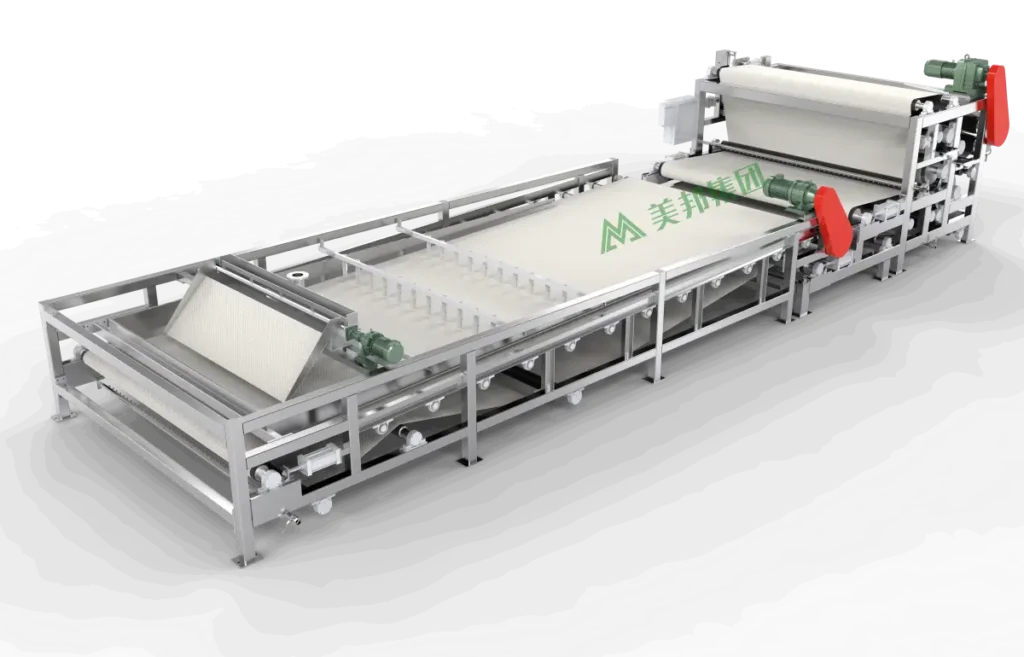
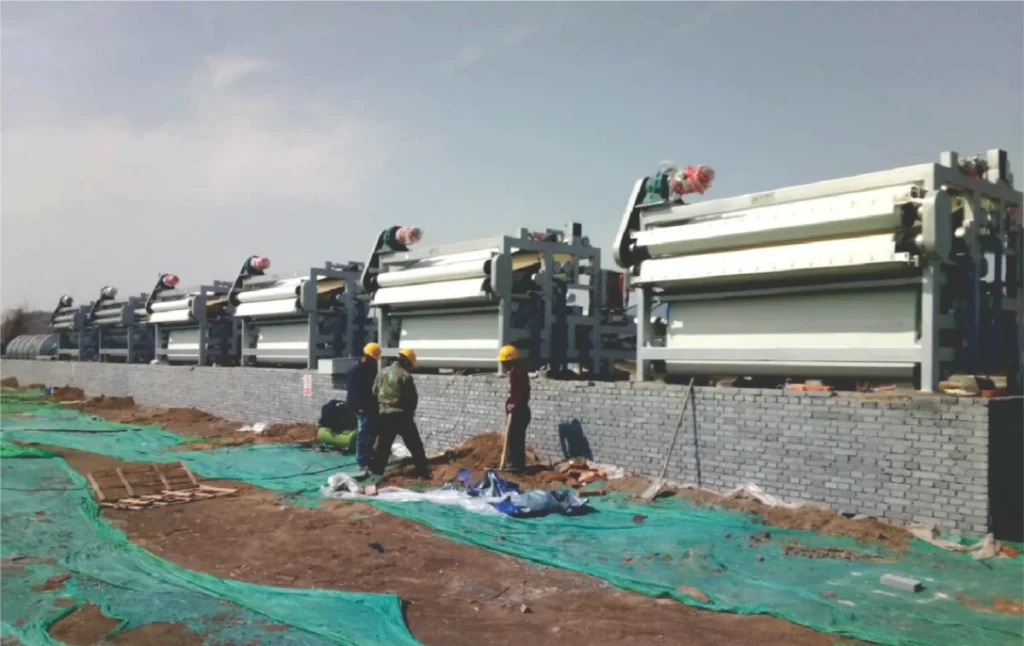
Meibang Ultra-Large Dual-Motor Belt Filter Press
To meet the demands of high-volume coal slurry dewatering applications, Meibang has developed an ultra-large dual-motor belt filter press specifically designed for mining and industrial dewatering projects.
The system is suitable for:
- Coal slurry dewatering
- Coal tailings dewatering
- Mining tailings treatment
- Sand washing tailings
- Kaolin washing tailings
- Aggregate washing wastewater treatment
Exceptional Throughput Capacity
The machine is designed for large-scale continuous operation and features:
- Equipment length up to 18 meters
- Belt width up to 3.5 meters
- Slurry treatment capacity up to 80 m³/h
The large processing capacity enables operators to handle more slurry with fewer machines, reducing both capital investment and operating costs.
Advanced Dual-Motor Drive System
The dual-motor configuration provides:
- Stable power transmission
- Improved reliability
- Enhanced operational stability
- Better performance under heavy-load conditions
This design is particularly beneficial for demanding mining applications where equipment reliability is critical.
Optimized Dewatering Performance
The multi-stage pressing structure gradually increases pressure throughout the filtration process.
This improves solid-liquid separation efficiency and helps reduce final cake moisture.
Lower moisture content means:
- Reduced transportation costs
- Easier disposal
- Improved material handling
Energy-Efficient Operation
Energy consumption remains a major concern for coal producers.
The continuous operating principle of belt filter presses allows large volumes of slurry to be processed with relatively low energy consumption, helping reduce long-term operating expenses.
Building a Cost-Effective Coal Slurry Dewatering System
A complete coal slurry treatment system typically includes:
- Thickener
- Polymer preparation system
- Belt filter press
- Water collection tank
- Water recycling system
Together, these components create an efficient solution that minimizes waste while maximizing water recovery.
Conclusion
Reducing coal slurry disposal costs requires more than simply storing tailings in ponds. Modern coal preparation plants must focus on water recovery, tailings volume reduction, environmental compliance, and long-term operational efficiency.
High-capacity belt filter presses for coal slurry dewatering provide an effective solution by combining continuous operation, low operating costs, and excellent water recovery performance.
For large coal washing and coal preparation plants, Meibang’s ultra-large dual-motor belt filter press delivers the processing capacity, reliability, and efficiency needed to reduce disposal costs and improve overall plant performance.