
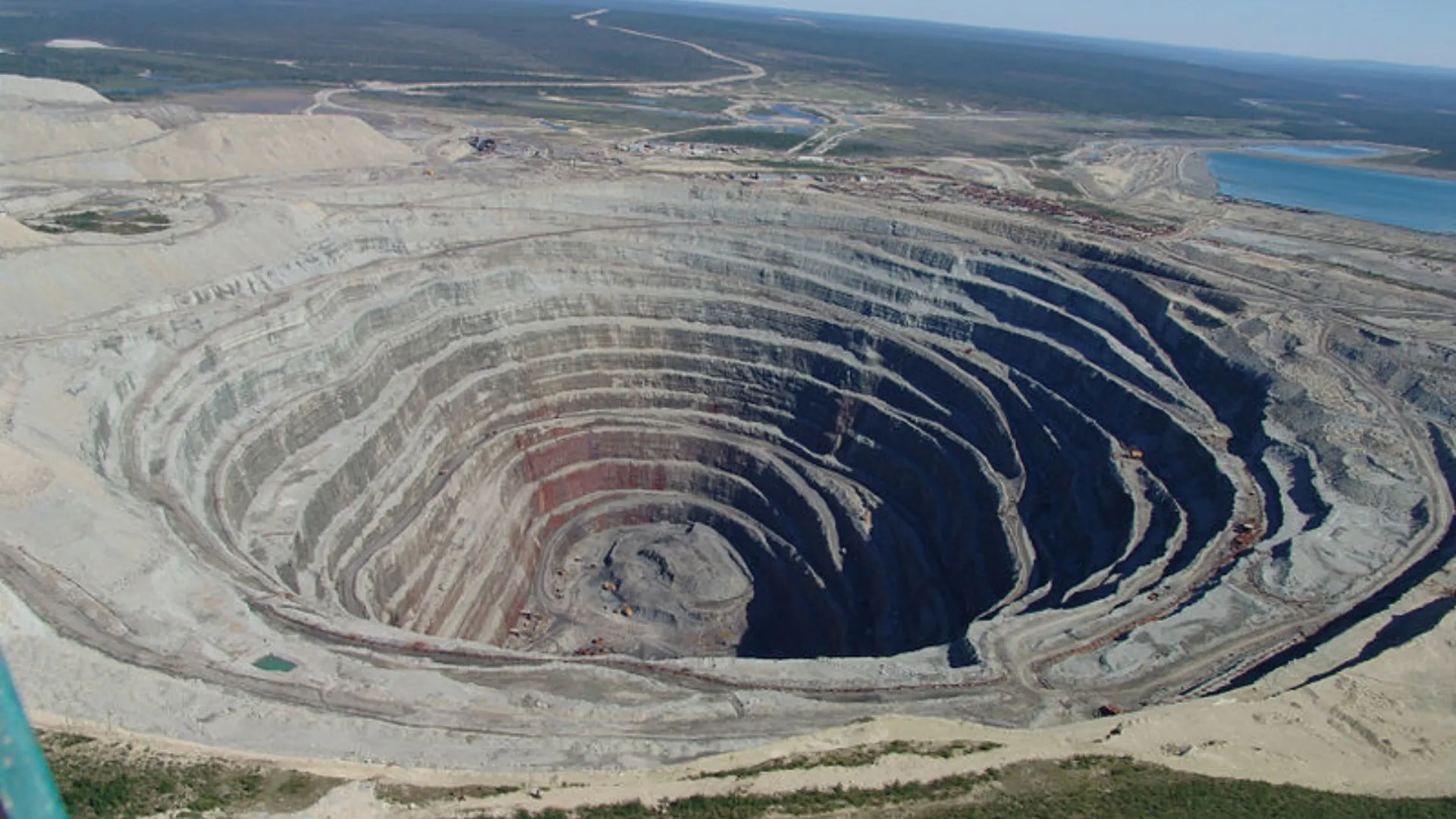
he global mining industry is entering a new era.
As demand for copper, lithium, nickel, iron ore, and other critical minerals continues to increase, mining companies face growing expectations that extend far beyond production targets. Investors seek stronger ESG performance. Governments continue to strengthen environmental regulations. Local communities expect greater transparency, safer operations, and long-term environmental protection.
Today, successful mining is no longer measured solely by tonnes produced or processing efficiency. It is increasingly evaluated by how responsibly resources are developed, how environmental impacts are managed, and how mining companies contribute to the communities that host their operations.
Among the many environmental challenges facing modern mines, tailings management has become one of the industry’s highest priorities.
Responsible Mining Begins with Responsible Tailings Management
Every tonne of ore processed generates waste material that must be handled safely throughout the life of a mine.
Historically, many mining operations relied on conventional wet tailings storage facilities (TSFs). While this approach has supported mineral production for decades, increasing production volumes, stricter environmental expectations, and several high-profile tailings dam failures have encouraged the industry to rethink traditional practices.
Today, mining companies around the world are investing in solutions that reduce environmental risk while improving long-term sustainability.
Rather than viewing tailings simply as waste, progressive operators increasingly treat tailings management as a core component of responsible mine planning.
The objective is clear: reduce environmental impact, improve operational resilience, and leave behind a safer legacy for future generations.
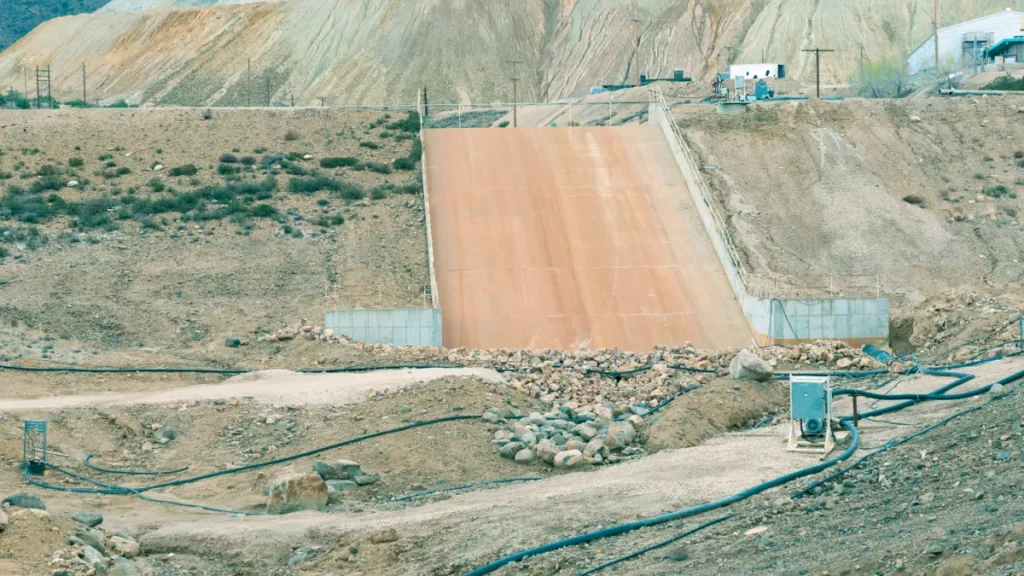
Environmental Protection Is Built on Prevention
Environmental stewardship is most effective when potential impacts are addressed before they become long-term problems.
Modern tailings management strategies focus on reducing water consumption, minimizing land disturbance, improving storage stability, and lowering the environmental footprint of mining operations.
Tailings dewatering has become an important part of this transition.
By removing a significant portion of water before final disposal, mines can reduce the overall volume of slurry entering storage facilities. Lower water content improves geotechnical stability, decreases seepage risks, reduces dust through better management practices, and enables more efficient use of available storage capacity.
For many operations, tailings volume reduction is no longer simply an operational improvement—it has become an environmental necessity.
Extending the service life of existing tailings storage facilities can delay costly expansions while reducing disturbance to surrounding ecosystems and minimizing the need for additional land acquisition.
Every Drop of Water Matters
Water has become one of mining’s most valuable resources.
Many of the world’s largest copper and lithium operations are located in regions where water availability is increasingly constrained. Northern Chile, Peru, Australia, southern Africa, and parts of North America all face mounting pressure to balance industrial development with responsible water management.
Efficient tailings dewatering contributes directly to this goal.
Recovering process water from tailings allows mines to recycle large volumes back into mineral processing circuits, reducing freshwater demand while improving overall water efficiency.
This approach benefits both mining operations and neighboring communities that rely on the same regional water resources.
Responsible water management is no longer viewed solely as regulatory compliance—it has become a defining characteristic of sustainable mining.
Protecting Communities Beyond the Mine Gate
Mining operations do not exist in isolation.
They operate alongside communities that depend on clean water, healthy ecosystems, reliable employment, and long-term economic opportunities.
Building trust requires consistent engagement, transparent communication, and a willingness to address environmental concerns openly.
Responsible tailings management plays an important role in strengthening that relationship.
Reducing the frequency of tailings dam expansions can lessen disruption to surrounding communities. Improved water recovery helps conserve regional water supplies. Better environmental performance supports safer working conditions and contributes to greater public confidence in mining projects.
When environmental commitments are supported by measurable action, mining companies strengthen their social license to operate.
Community confidence is built over years, but it can be undermined quickly if environmental responsibilities are neglected.
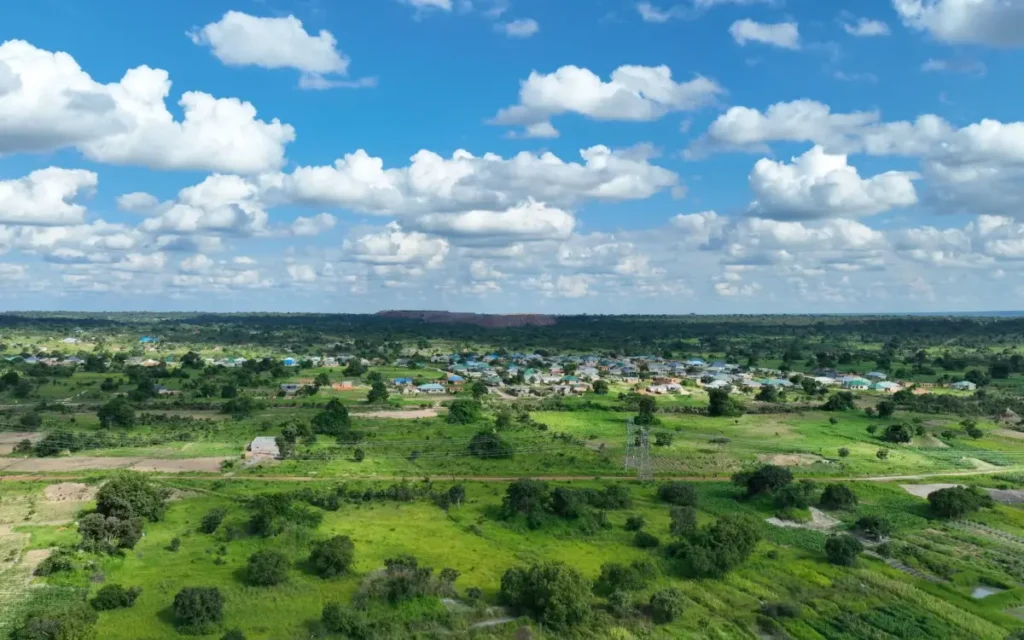
Innovation Supports Long-Term Sustainability
The mining industry has always evolved alongside advances in technology.
Automation, digital monitoring, artificial intelligence, and predictive maintenance are transforming how mines improve safety and efficiency. Tailings management is undergoing a similar transformation.
High-capacity dewatering systems enable mining companies to process larger volumes while reducing the environmental footprint associated with conventional slurry disposal.
For large copper, iron ore, lithium, and gold operations, selecting the appropriate dewatering technology has become a strategic decision rather than simply an equipment purchase.
Solutions that combine high throughput, reliable performance, low operating costs, and effective water recovery can help mines balance economic objectives with increasingly ambitious sustainability goals.
Technology alone cannot achieve responsible mining, but it provides practical tools that make environmental commitments easier to fulfill.
Stewardship Extends Beyond Operations
Environmental responsibility does not end when production stops.
Mine closure planning, progressive rehabilitation, ecosystem restoration, and long-term monitoring all contribute to the legacy a mining operation leaves behind.
Reducing tailings volume throughout the life of a mine can simplify closure activities, lower rehabilitation requirements, and improve the long-term stability of reclaimed sites.
These benefits extend well beyond the operational phase, supporting future land use while reducing environmental liabilities for decades to come.
Responsible mining is ultimately measured not only by the minerals extracted, but by the condition in which the land is returned.
Looking Ahead
Meeting the world’s growing demand for critical minerals will require continued investment in new mines and expanded production.
At the same time, society increasingly expects mining companies to demonstrate environmental responsibility, efficient resource management, and meaningful engagement with local communities.
These objectives are not mutually exclusive.
Through thoughtful planning, continuous innovation, responsible tailings management, and technologies that improve water recovery and reduce environmental impact, mining companies can support both economic development and long-term sustainability.
The future of mining will depend not only on the resources we extract, but on how responsibly we manage every stage of the process—from ore to tailings, from operations to closure, and from today’s decisions to tomorrow’s environmental legacy.